This blog post is going to share with you the benefits of list making and 15 lists that will help you get your life together.
As a mom, my life can sometimes feel like an open internet browser with 3941 open tabs running at all times. Having an organized calendar, consistent routines and structures can really help. However, there is one thing that has completely changed my life in terms of mental organization.
Making lists.
Back when I started learning about bullet journaling, I started getting in the habit of making lists. I would whip out my notebook and just start making running lists of things going on in my mind. This did two things for me; one, it helped my mind calm down and leave me to feel more grounded in the day to day. two, it gave me more time.
Over the years I have cultivated a list of the lists that make life feel more balanced and organized and I am going to share 15 of them with you. Before I do that, I want to tell you some of the health and wellbeing benefits that making lists can do for you.
The benefits of making lists:
Mindfulness and Present Moment Awareness. When making lists, you engage in a form of mindfulness. You become present in the moment as you assess your tasks and intentions. This mindfulness helps prevent the mind from wandering into future worries or past regrets, promoting a sense of calm and contentment.
Stress Reduction through Organization. Organizing your thoughts into lists creates a sense of order in your life. This organization minimizes the stress that can come from feeling overwhelmed by an ever-growing to-do list. Having a clear plan helps you prioritize tasks, making them feel more manageable and achievable.
Reduced Mental Clutter and Anxiety. The act of making lists allows you to transfer your thoughts from your mind onto paper or a digital device. This simple action helps declutter your mind, providing a sense of relief from mental chaos. By externalizing your thoughts, you free up mental space, reducing anxiety and promoting a clearer, calmer state of mind.
Enhanced Focus and Productivity. Lists serve as roadmaps for your day, breaking down tasks into actionable steps. This structured approach enhances your focus and productivity. As you check off items on your list, you experience a sense of accomplishment that boosts your mood and motivation to tackle the next task.
Avenue for Creative Expression. Lists are not limited to tasks; they can also include ideas, goals, dreams, and more. This flexibility provides an avenue for creative expression and self-discovery. By listing your aspirations and interests, you engage in a positive, self-affirming activity that fosters a sense of purpose.
Okay, now that you know the benefits of making lists, I want to help set you up with the proper tools for list making.

SUPPLIES FOR MAKING LISTS:
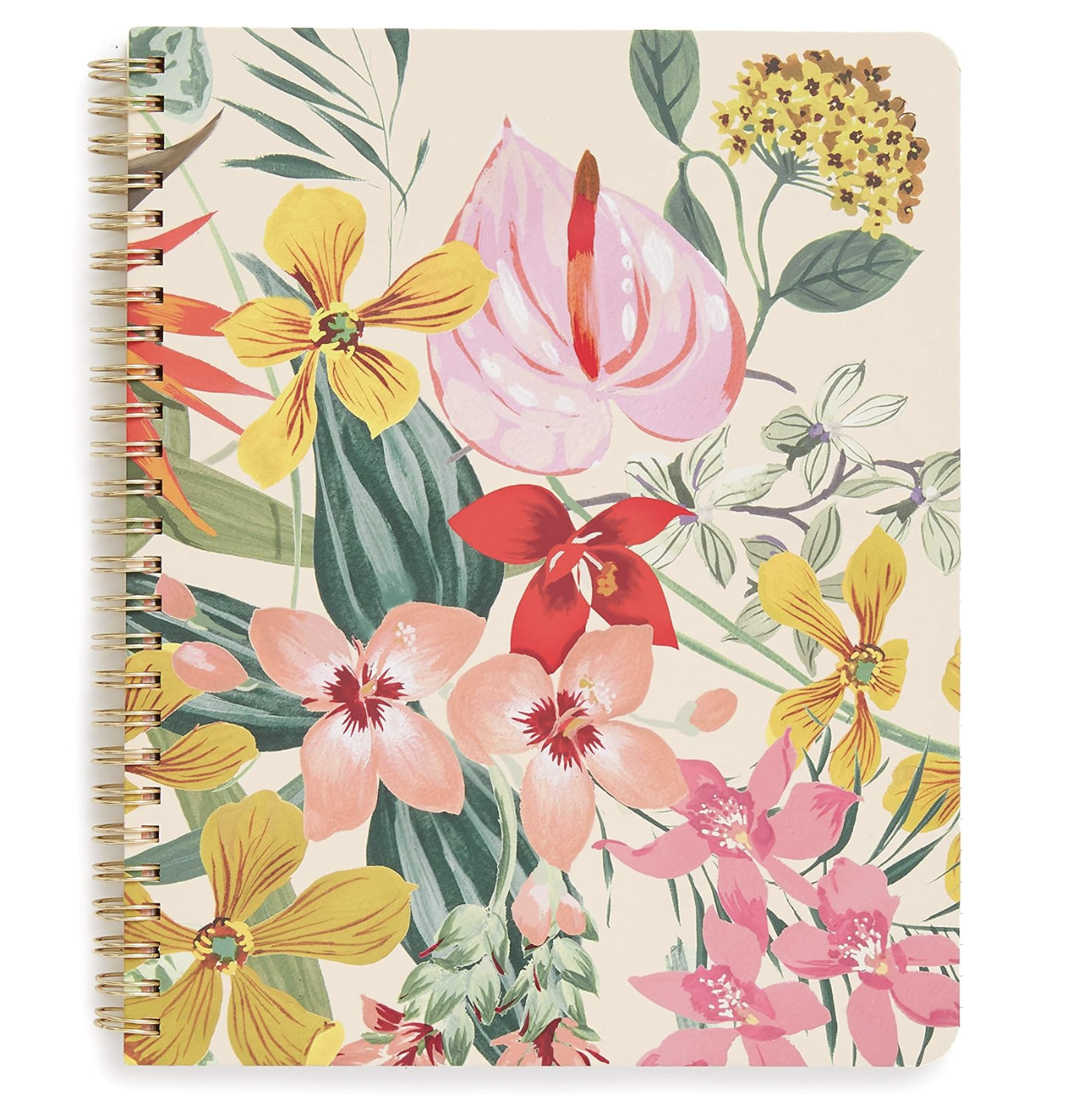
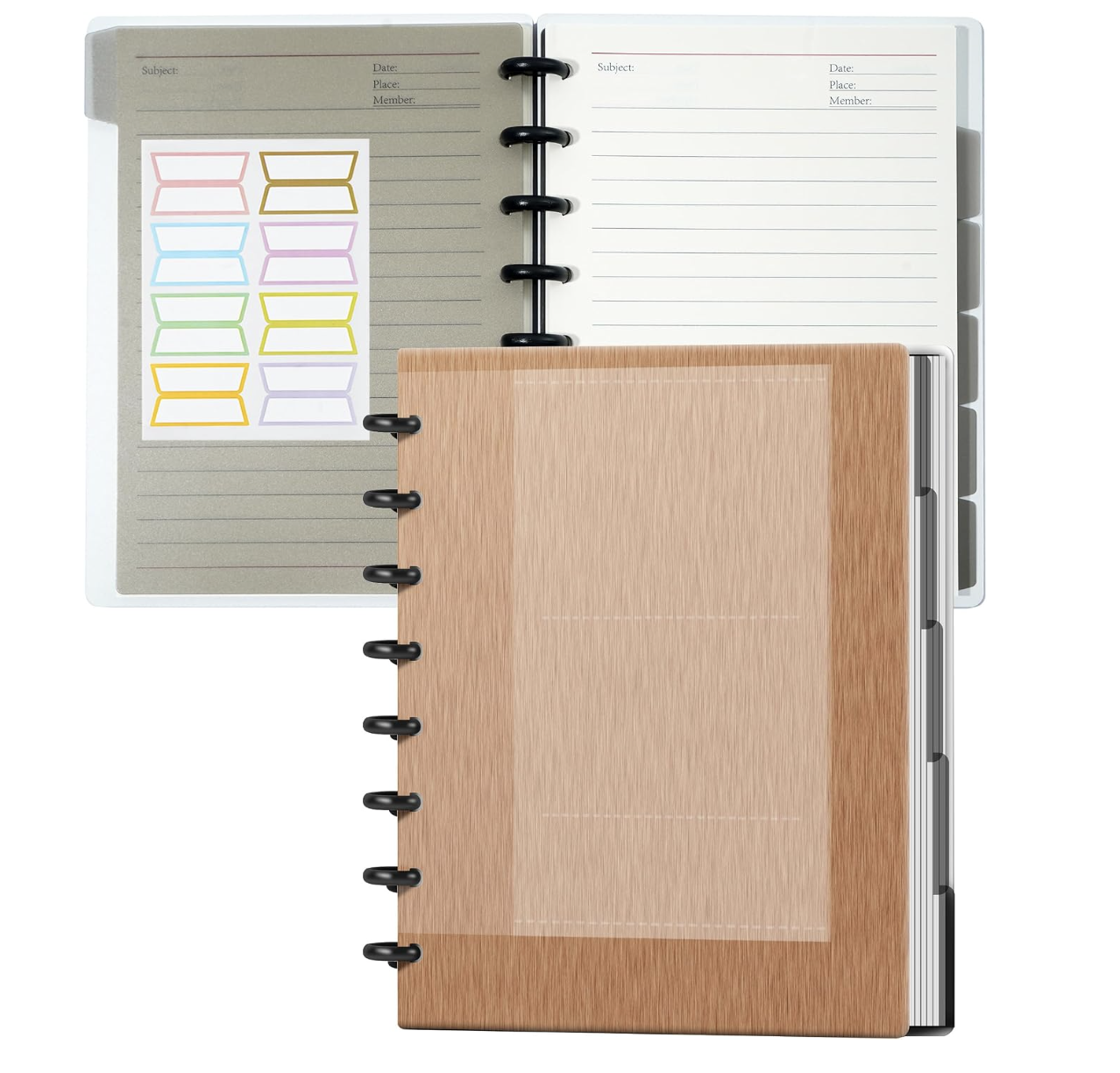
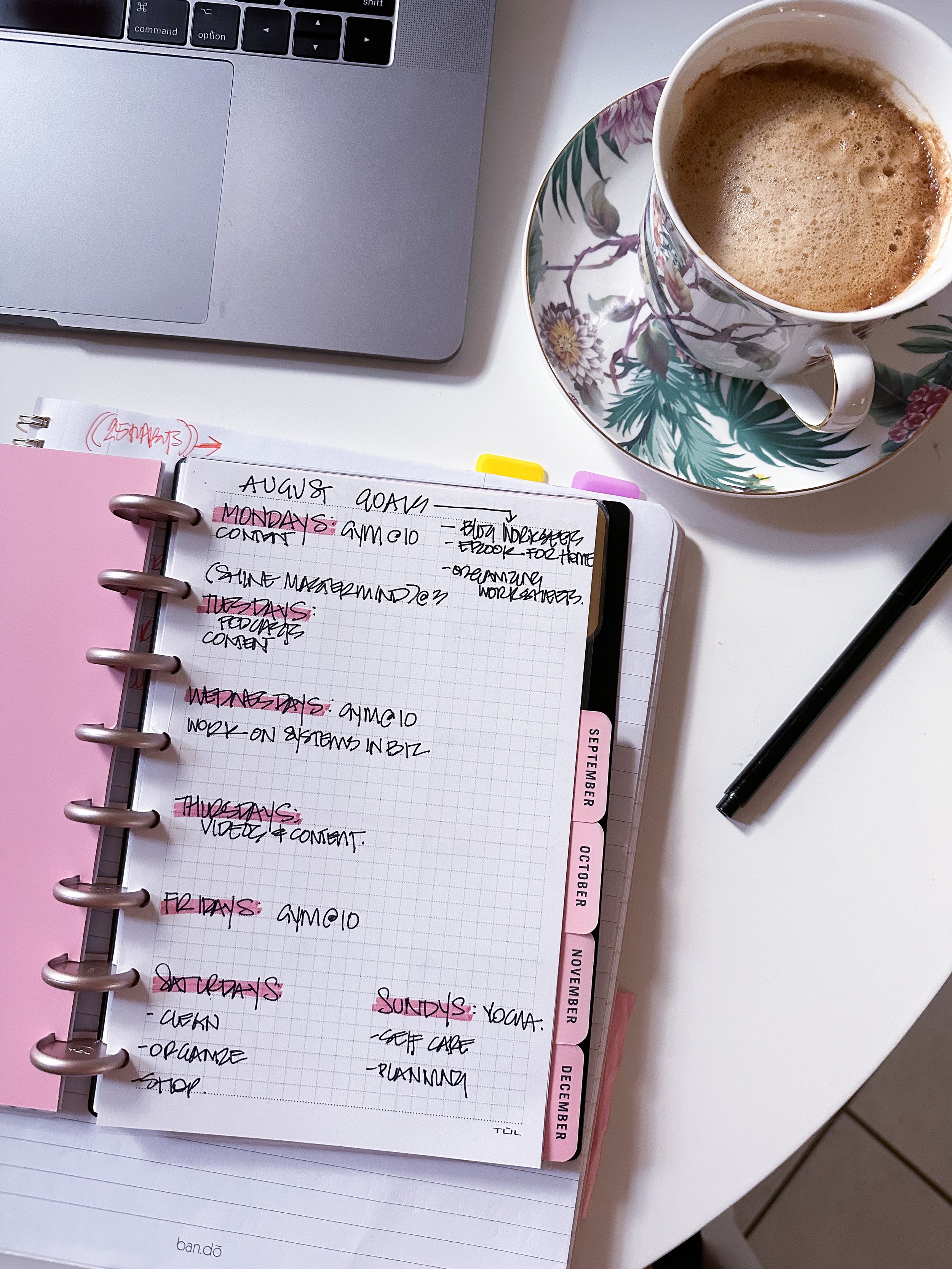
I suggest using a spiral notebook, something small that you don’t mind carrying around with you. I personally am obsessed with the Bando spiral notebooks, they feel so good to write in and I love that they can lay flat and sit with just one page open. As I got more into making lists, I switched over to a disc bound spiral notebook.
Here’s how to set up your lists:
Grab your notebook and make a title page for each list. You can even make a directory at the front of your notebook with a numbered list and then use post it tabs to label each page with the number associated.
15 lists that will help organize your life:
1. Monthly Intentions
This is the list I always start with, because it sets the tone for everything else. At the beginning of each month, I sit down with my notebook and get really honest about what I want the next four weeks to feel like — not just what I want to accomplish, but the energy I want to move through. I'll write down concrete intentions like "gym three times a week," "more meal planning," or "read before bed instead of scrolling," alongside the affirmations I'm currently working with to reprogram my subconscious mind. There's something powerful about naming your intentions on paper before the month even begins — it's like giving your future self a gentle nudge in the right direction. I also like to revisit last month's list before I write the new one, so I can see what stuck, what didn't, and why. This little ritual takes maybe ten minutes, but it completely shifts how deliberate the rest of my month feels.
2. Things to Buy
This is the simplest list on here, but it saves me so much mental energy. Instead of trying to remember every random thing I need — a new candle, more hangers, a birthday gift for my niece, that skincare product I ran out of — I keep one running page where it all lives. Whenever a thought pops into my head ("oh, I need more coffee filters"), it goes straight onto the list instead of floating around in my brain until I inevitably forget it. I find this especially helpful when I'm about to run errands or place an online order, because I can glance at the list and consolidate everything into one trip or one cart instead of making five separate purchases throughout the week. It also keeps me from impulse buying things I don't actually need, because I only buy what's written down.
3. Master To-Do List
This is the catch-all list, the brain dump, the place where everything that needs to get done eventually lands. Anything from "call the dentist" to "finish that client proposal" to "clean out the junk drawer" goes here first. I don't worry about prioritizing or organizing it perfectly in the moment — the goal is just to get it out of my head and onto paper so it stops taking up mental bandwidth. Once a week, usually on Sunday, I'll go through this master list and pull the most urgent or time-sensitive items onto my daily to-do list, breaking the bigger tasks into smaller, more manageable steps. Having this master list means I never have that panicked feeling of "wait, was there something I was supposed to do?" because it's always written down somewhere I can check.
4. Spending List
I like to keep a running list of what I spend during the month so I can stay aware of my habits without needing a complicated budgeting app. Every time I make a purchase — whether it's groceries, a coffee run, or an online order — I jot it down with a quick note of the amount and category. This isn't about restriction or guilt; it's about awareness. When you can actually see your spending laid out in front of you, patterns start to emerge that you'd never notice otherwise, like realizing you've spent more on takeout this month than you thought, or that a subscription you forgot about is still quietly charging you. At the end of the month, I'll glance back through the list and use it to inform how I want to approach spending the following month. It's a simple habit, but it keeps money mindful instead of mindless.
5. Recipe List
This list is where I keep all the recipes I want to try or make again, whether I spotted them on Pinterest, in a cookbook, or on a friend's Instagram story. Meal planning used to stress me out because I'd stand in front of the fridge every night with zero inspiration, but keeping a running recipe list has completely solved that. When it's time to plan the week's meals, I just flip to this page instead of scrambling to think of something new. I'll jot down the dish name, where I found it, and sometimes a quick note about any modifications I want to make. It's also a lovely place to record family favorites and recipes passed down from relatives, so they don't get lost. Over time, this list becomes this really sweet, ever-growing collection of meals that represent different seasons and moments in your life.
6. Things to Clean Out / Declutter
Decluttering can feel completely overwhelming if you try to think about your whole house at once, so I break it down room by room, drawer by drawer, and put it all on this list. The pantry, the linen closet, under the bathroom sink, the garage, my closet — every area that needs attention gets its own line so I can check it off as I go. What I love about this list is that it turns a vague, daunting idea ("I need to declutter") into a series of small, doable tasks that don't require an entire weekend to complete. Some weeks I'll tackle one drawer; other weeks I have more time and energy for a bigger project. Either way, having it written down means I'm chipping away at it consistently instead of only doing a massive purge once a year when things get completely out of control.
7. Inventory List
This is my household supplies list — toilet paper, paper towels, laundry detergent, dish soap, trash bags, and all the little things that quietly run out without warning. I keep track of what we have and what's getting low so I never end up in that frustrating moment of realizing we're completely out of something essential at the worst possible time. This list pairs really well with my "things to buy" list, because once something hits low inventory, I move it over so it gets picked up on the next shopping trip. It sounds like a small, unglamorous list, but keeping a household running smoothly really comes down to these behind-the-scenes details, and having them written out takes so much of the guesswork and last-minute scrambling out of managing a home.
8. Appointments to Make List
Any and all appointments I need to schedule go on this list — the dentist, the eye doctor, a haircut, the vet, a home repair consultation, you name it. I like to think of this as a brain dump specifically for the things that require a phone call or an online booking, because those tasks tend to get pushed aside the longest since they require an extra step beyond just "doing" them. Once something is on this list, I can set aside time — usually once a week — to sit down and knock out several calls or bookings at once instead of letting them linger for months. This has been a game changer for staying on top of preventative care and home maintenance, the kind of things that are easy to forget about until they become urgent.
9. Fitness Plan
This list is where I map out my monthly goals around health and wellness — not a rigid, punishing regimen, but a gentle plan that keeps me accountable to feeling good in my body. I'll note things like how many days a week I want to move my body, what kind of workouts I want to prioritize, any classes I want to try, or wellness goals like drinking more water or stretching before bed. Writing this out at the start of the month gives me something concrete to check in with, rather than vague intentions that dissolve the moment life gets busy. I also use this space to track how I'm feeling — energy levels, sleep quality, moods — so I can notice patterns and adjust as needed. It keeps fitness feeling like self-care instead of a chore.
10. Emails / Cards / Notes to Send
This list always helps me remember birthdays coming up in the month, thank-you notes I've been meaning to write, or just checking in with long-distance friends and family I don't want to lose touch with. In the busyness of everyday life, it's so easy for these small but meaningful gestures to slip through the cracks, even when we genuinely care about the people we're thinking of. Having a dedicated list means I actually follow through, because I'm not relying on remembering it at the exact right moment. I'll jot down who I want to reach out to and sometimes a quick note about what I want to say or include, whether it's a card in the mail or a simple text checking in. It's a small habit that keeps relationships nurtured and makes people feel remembered.
11. Errands to Run
Similar to the shopping list, but this one is specifically for the tasks that require me to actually leave the house — dropping off dry cleaning, returning a package, picking up a prescription, taking something to be repaired. I find that grouping all my errands onto one list lets me plan more efficient trips instead of making separate outings for each individual task, which saves both time and gas. Before I head out for the day, I'll glance at this list and map out the most logical route to hit everything in one go. It also means nothing gets forgotten or left undone for weeks at a time, because it's sitting right there on the page, staring back at me until it's crossed off.
12. Bills to Pay
Keeping a running list of bills — due dates, amounts, and whether they've been paid — has saved me from so many late fees and that sinking feeling of forgetting something important. I'll list out everything from the mortgage or rent to utilities, subscriptions, and any recurring payments, along with when each one is due. This isn't meant to replace a full budgeting system, but it acts as a quick-glance safety net so nothing slips through unnoticed, especially during busier months when it's easier to lose track of dates. I also use this list to periodically review subscriptions and recurring charges, which is a great way to catch things you're paying for but no longer use or need. There's real peace of mind in knowing exactly where your money is going and that everything is accounted for.
13. Books to Read / Shows to Watch
This is one of the more fun lists, honestly, and I think it's important to have at least one list that's purely for pleasure. I keep a running page of book recommendations I've heard about from friends, podcasts, or other readers, along with shows and movies people have mentioned that I want to check out. Without writing these down, I inevitably forget them the moment someone brings them up, and then months later I'm scrambling to remember that book title someone mentioned at dinner. Now, whenever I'm in the mood for a new read or looking for something to watch, I have a whole curated list ready to go instead of endlessly scrolling through options feeling paralyzed by choice. It also makes for a lovely record over time of what's been capturing your interest.
14. Restaurants to Try / Places to Check Out
This list is a lifesaver anytime we need to decide where to go for dinner, especially when you're trying to break out of the same rotation of go-to spots. I keep track of restaurants friends have recommended, places I've seen online that caught my eye, or new spots that have opened up nearby that I want to check out. It's also incredibly useful for date nights or when we're traveling somewhere new and want a few solid options lined up ahead of time instead of scrambling to search once we're already there and hungry. I'll jot down a quick note about what type of cuisine it is or why it was recommended, so when decision time comes, I can quickly scan the list and pick something that fits the mood instead of the classic "I don't know, where do you want to go?" back and forth.
15. Things to Manifest
This might be my favorite list of all. I keep a running page of anything and everything I want to manifest into my life — big dreams, small hopes, specific goals, feelings I want to experience more of. It really helps to write these things down and act as if you've just placed an order with the universe, trusting that what's meant for you is already on its way. There's something almost ceremonial about putting pen to paper and naming your desires so specifically; it makes them feel real and possible in a way that just thinking about them never quite does. I revisit this list often, adding to it as new dreams surface and crossing things off as they come to fruition, which happens more often than you'd expect once you start paying attention. This list is less about productivity and more about staying connected to hope, possibility, and the life you're actively creating.
Listen to this episode of the Blissfully Ambitious podcast where I break down each list more specifically for you. Hope you enjoy.
This post may contain affiliate links, which means I'll receive a commission if you purchase through my link, at no extra cost to you.