​

ASHLINA KAPOSTA

Interiors. Lifestyle. Blissful Living.
  • About
  • Blog
  • CATEGORIES
    • HOME DECOR
    • SELF CARE
    • FEMININE ENERGY
    • FENG SHUI
    • BLOGGING
    • ENTREPRENEURSHIP
    • FASHION
    • ORGANIZING
    • SPIRITUALITY
    • GIFT GUIDES
    • MANIFESTATION
    • ASTROLOGY
    • MOTHERHOOD
    • WELLNESS
    • NAIL INSPO
  • SHOP
  • COURSES
  • SERVICES
    • COACHING
    • Home Consultation
    • BIRTH CHART READING
  • My work
    • BOOKS
    • PODCAST
    • Press
    • ISTA MAGAZINE
    • Interiors
    • Styling
  • CONTACT
  • About
  • Blog
    • HOME DECOR
    • SELF CARE
    • FEMININE ENERGY
    • FENG SHUI
    • BLOGGING
    • ENTREPRENEURSHIP
    • FASHION
    • ORGANIZING
    • SPIRITUALITY
    • GIFT GUIDES
    • MANIFESTATION
    • ASTROLOGY
    • MOTHERHOOD
    • WELLNESS
    • NAIL INSPO
  • SHOP
  • COURSES
    • COACHING
    • Home Consultation
    • BIRTH CHART READING
    • BOOKS
    • PODCAST
    • Press
    • ISTA MAGAZINE
    • Interiors
    • Styling
  • CONTACT

Blog

Ashlina - Lifestyle Blog

  • All
  • 10 things
  • blogging
  • christmas
  • domestic bliss
  • entertaining
  • entreprenueress
  • fab finds
  • fabric
  • fashion
  • fashionising
  • feminine energy
  • feng shui
  • fragrance
  • holidays
  • interior decorating
  • interior design
  • jewelry
  • lifestyle
  • my home
  • organization
  • PODCAST
  • restaurants
  • self care
  • self help
  • shopping
  • traveling
  • wellness

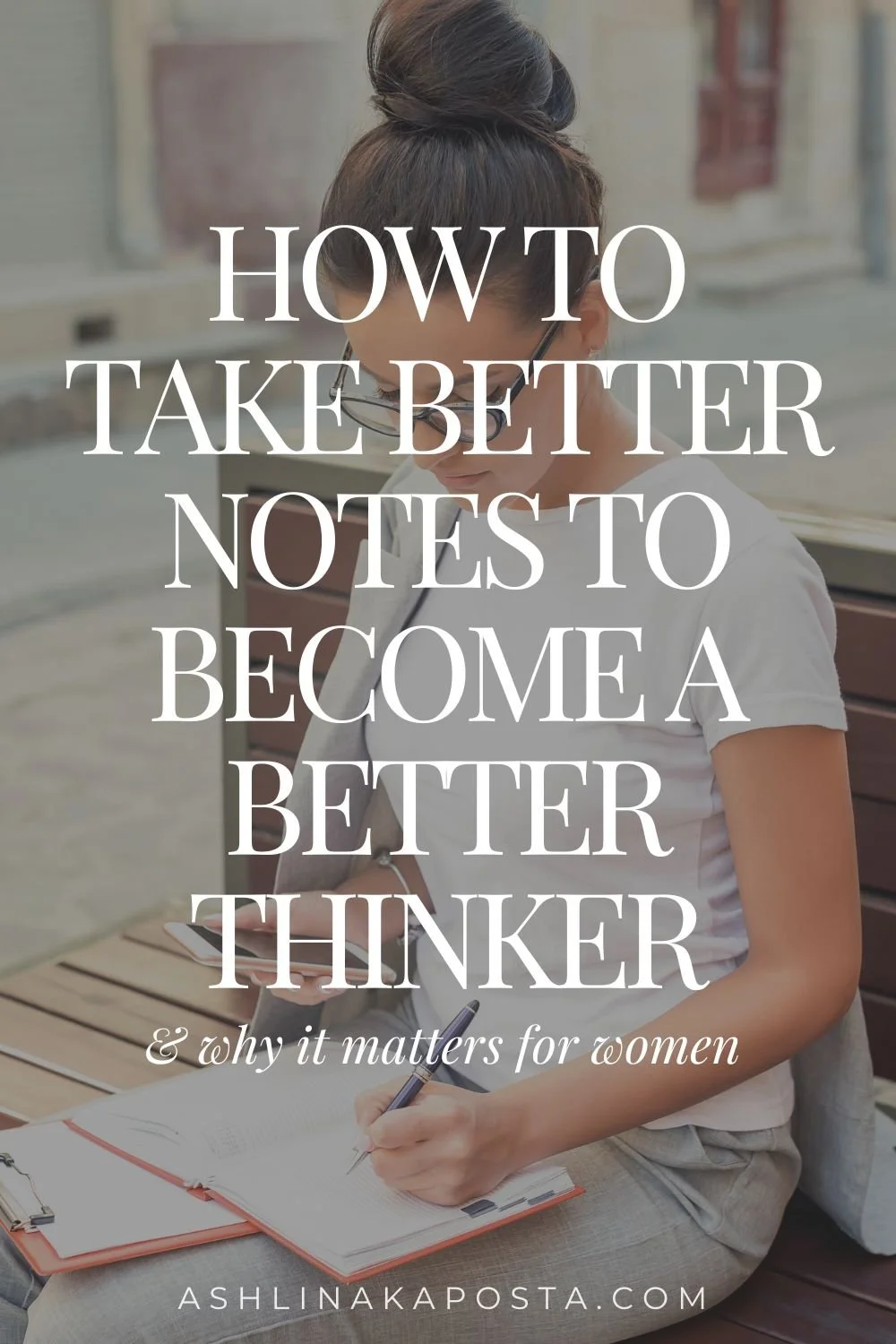
How to Take Better Notes: A simple habit that will make you think better & why it matters for women

ashlina kaposta August 11, 2026

A few months ago, I started carrying a notebook again.

I hadn't done that in years. But I'd recently fallen back in love with reading, and something interesting started happening. I kept wanting to capture things. I'd be reading and want to write down a sentence. I'd be standing in front of a painting at a gallery and suddenly have a question I couldn't shake. I'd think of a book I wanted to read, or get an idea for something I wanted to write, or feel one of those quiet little nudges that shows up out of nowhere.

And instead of letting those thoughts disappear like I usually do, I started writing them down.

That's when it hit me: note-taking was never really about remembering information. It's about paying attention to your own life.

That's what this post is about.

Why I think we're losing the art of taking notes

We consume an enormous amount of information every day. Podcasts, TikTok, Instagram, books, Substack newsletters, conversations, museums, courses, AI tools, documentaries — it never stops.

But consumption isn't the same thing as learning. You can take in fifty pieces of content in a week and remember almost none of them by Friday.

Here's the line I keep coming back to: information becomes knowledge when you stop consuming it and start interacting with it.

Taking notes is one of the simplest forms of that interaction. Cornell's Learning Strategies Center makes a point I love — good notes aren't necessarily the most comprehensive notes. They're the notes you'll actually use. And there's research to back up something that feels intuitive: handwriting tends to encourage deeper processing than simply transcribing what you hear or read.

Why this matters even more as we get older

I think this hits differently for women, and I don't think that's an accident.

So much of a woman's life is spent being useful to everyone else. You're the one who remembers the appointments, the birthdays, the things your kids said when they were four, the things your friends are going through, the things your partner forgot. You become the keeper of everyone's memory before you ever get around to keeping your own.

And then life moves — a new decade, a new season, kids leaving or arriving, a career shift, menopause, a diagnosis, a move, a loss — and you look up one day and realize you can't quite remember what you thought, what you wanted, what you believed, before all of it happened. Not because anything is wrong with you. Just because nobody was writing any of it down.

This is where a notebook becomes something more than a productivity tool. It becomes a record of you — not the version of you that shows up for everyone else, but the one thinking her own thoughts, asking her own questions, noticing her own life.

Writing things down doesn't just help you remember facts. It helps you stay in relationship with yourself as you change. You can look back at what you wrote five years ago and see a version of you who was scared about something you've since walked through. You can notice what kept showing up long before you had the language for it. You can watch yourself become who you are now, instead of just arriving there and wondering how you got there.

That's not something you get back once the years have gone by without it. It's something you have to be building now.

So if you take nothing else from this post, take this: start documenting your own thinking, not just everyone else's needs. Future-you will be grateful someone was paying attention.

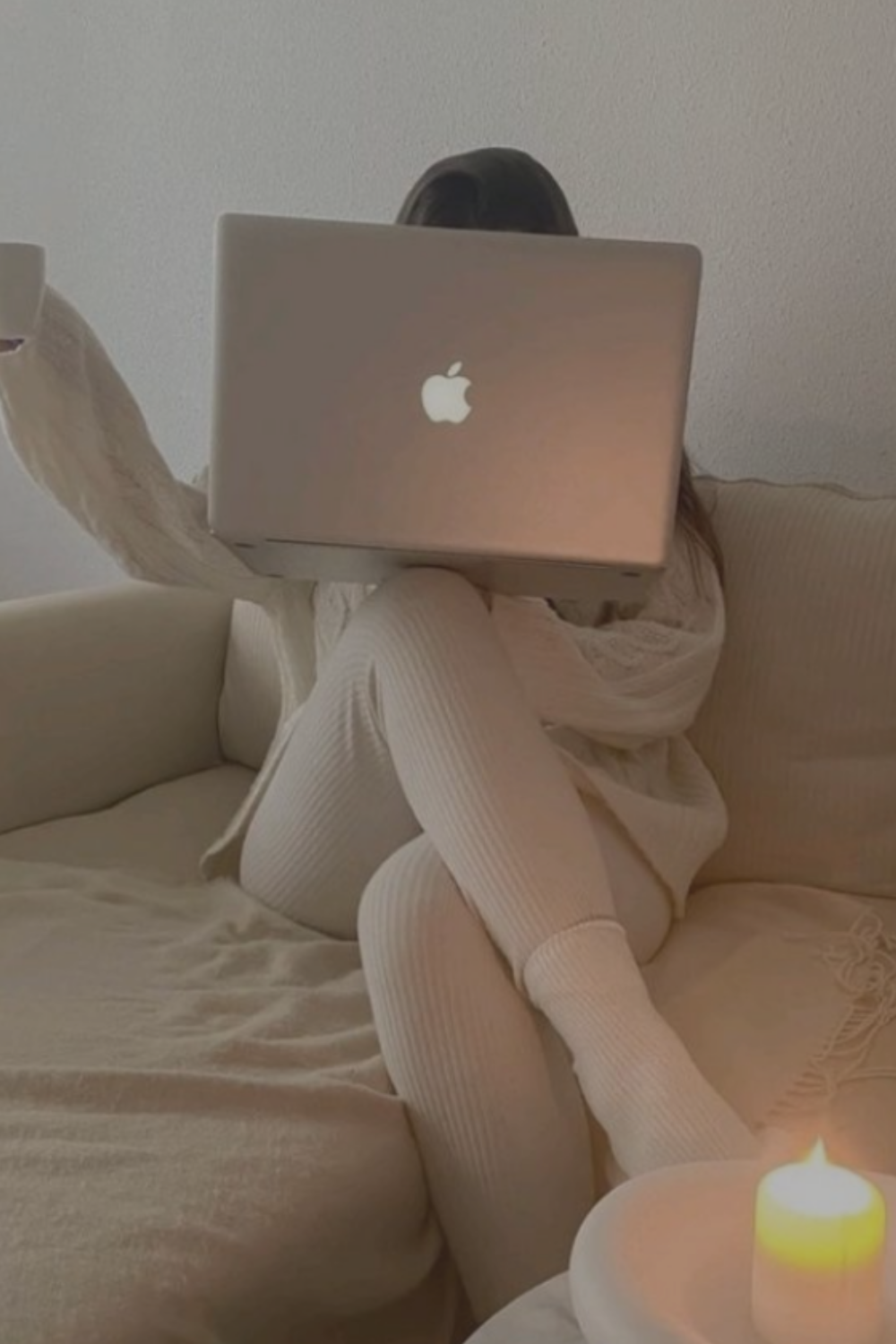
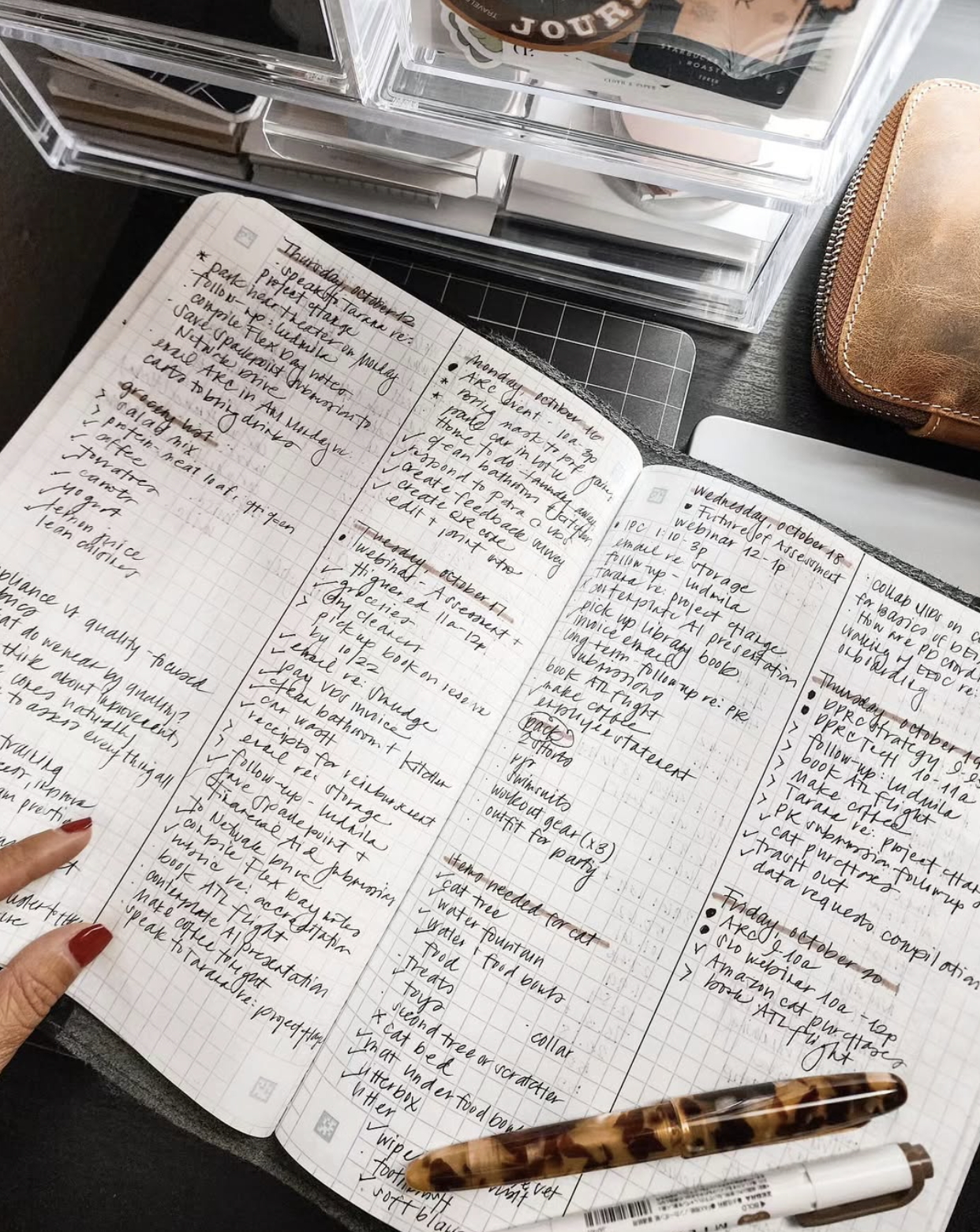
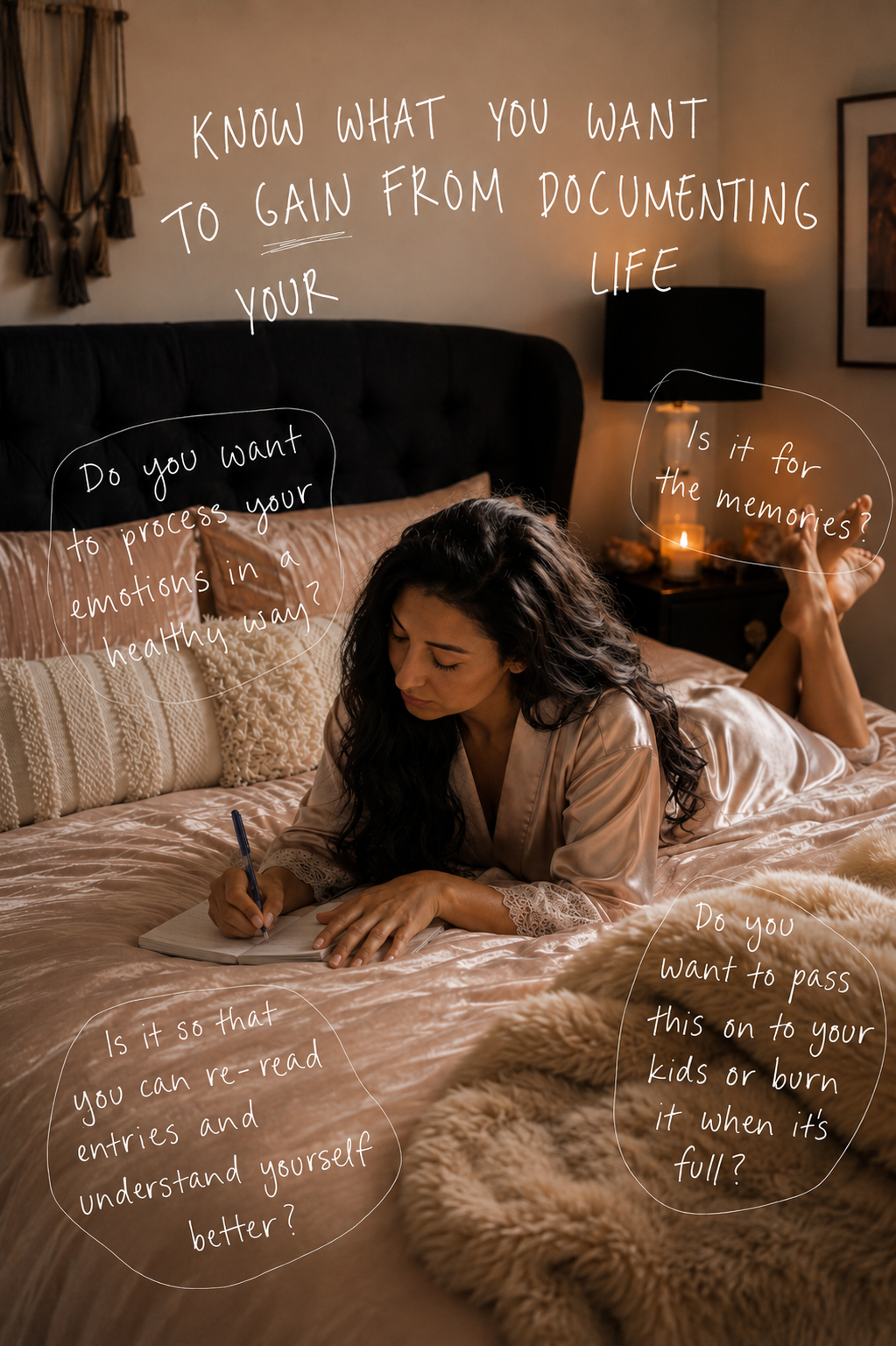
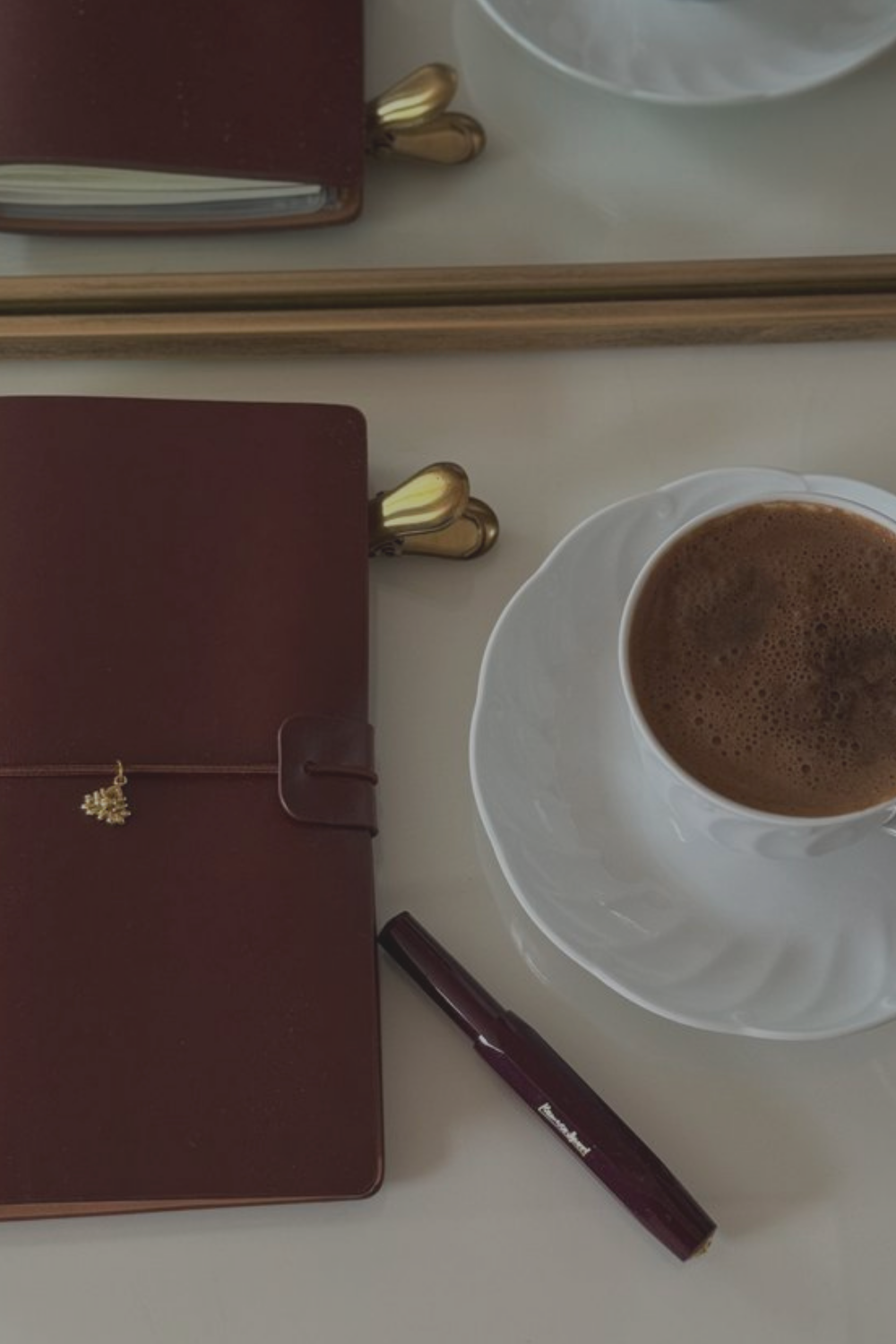
note taking inspiration

note taking inspiration via @writeandtell

The neuroscience of taking notes

Why does note-taking actually help you remember things?

Because good note-taking forces you to process information instead of just receiving it. You're constantly making small decisions:

  • What matters here?

  • What do I actually think about this?

  • What do I want to remember?

  • How would I explain this to someone else?

  • What does this connect to?

That's a completely different mental process than highlighting an entire page and calling it a day.

Studies comparing handwriting to laptop note-taking have found that handwriting tends to lead to better conceptual understanding, while typing produces more notes overall — you capture more, but you process less. A 2024 meta-analysis pulling together 24 separate studies found a similar pattern: an achievement advantage linked to taking and reviewing handwritten notes, even though typed notes were more voluminous.

There's also a study I find genuinely fascinating — handwritten note-takers outperformed people who simply photographed the material in front of them, even when both groups had equal chances to review it later. Researchers pointed to reduced mind-wandering as one likely factor behind that gap.

The takeaway isn't "handwriting is magic." It's this: the goal was never to capture everything. The goal is to think about what you're capturing.

The difference between collecting information and collecting ideas

You don't need to write down everything you encounter. That's not the assignment.

Instead, I've started teaching myself to capture six specific things:

  1. Something you want to remember — a fact, a quote, a concept, a name, a book, an artist.

  2. Something you want to understand — a real question, not a rhetorical one.

  3. Something you want to explore — a rabbit hole worth falling into.

  4. Something you want to create — a blog post idea, a podcast topic, a business idea, a recipe, a painting.

  5. Something that moved you — a sentence, an image, a conversation, a song.

  6. Something that keeps returning — this is your intuition category. If a thought won't leave you alone, write it down.

This is where note-taking stops being a study skill and starts being a way of paying attention to your own life.

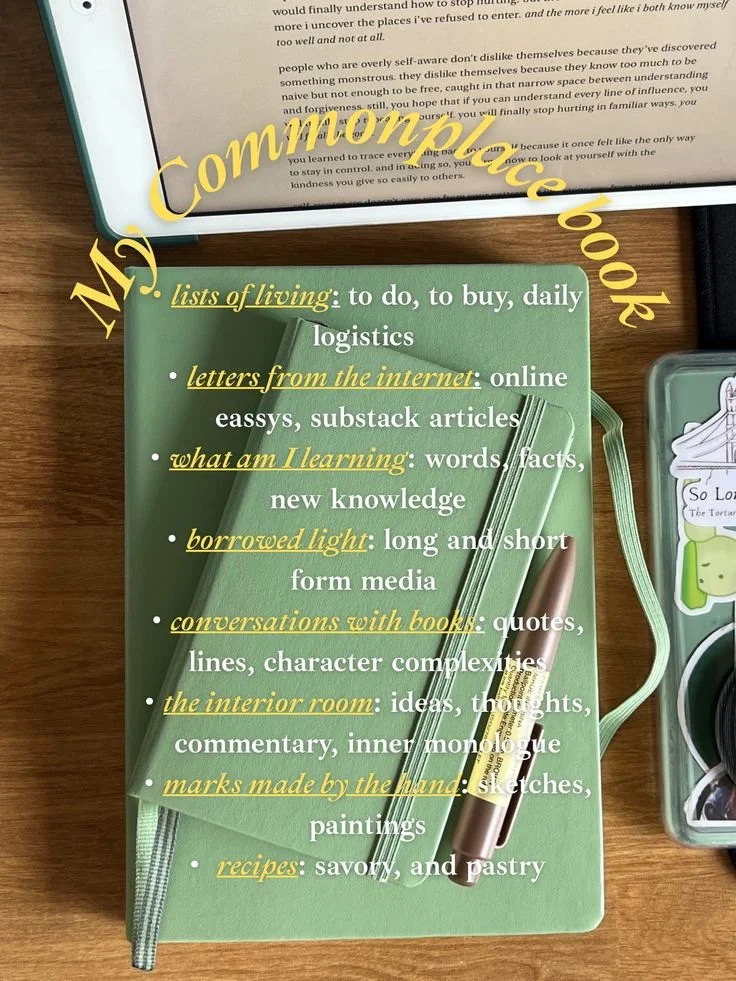
Commonplace book

image source

This isn't a new idea — it's called a commonplace book

If any of this feels familiar, that's because it is. What I'm describing has a name, and it's been around for a very long time: a commonplace book.

For centuries, readers and thinkers have kept a single notebook where they copied down passages, quotes, and observations that struck them — not as a diary of what happened in their day, but as a collection of what mattered to them from what they read and noticed. Marcus Aurelius did some version of this. So did John Locke, who wrote an entire method for organizing one. Virginia Woolf kept them. So did countless people whose names history never recorded — because a commonplace book was never really about being a writer or a scholar. It was just a way of paying attention.

What I'm calling a "thinking notebook" or a "monthly notes" system is really just a modern version of the same instinct: don't let the things that move you disappear. Write them down somewhere they can accumulate, so that over time, the collection starts to say something about who you are.

You're not inventing a new habit here. You're picking one back up.

My favorite note-taking rule: don't write down everything

If you take one thing from this post, let it be this: don't become a transcription machine.

If you're reading a book, you don't need to copy the author word for word. Write down what the book makes you think.

Here's what I mean. Instead of writing:

"The author says women often abandon their creative impulses because of..."

Try writing:

"I wonder where I've abandoned my own creativity?"

See the shift? The first is a summary of someone else's idea. The second is your thought, sparked by someone else's idea. That's the whole point. The value of a note isn't in storing someone else's words — it's in connecting those words to your own thinking.

The three notebooks I actually recommend

This is the closest thing I have to a real system, and it's simpler than it sounds.

1. The purse notebook

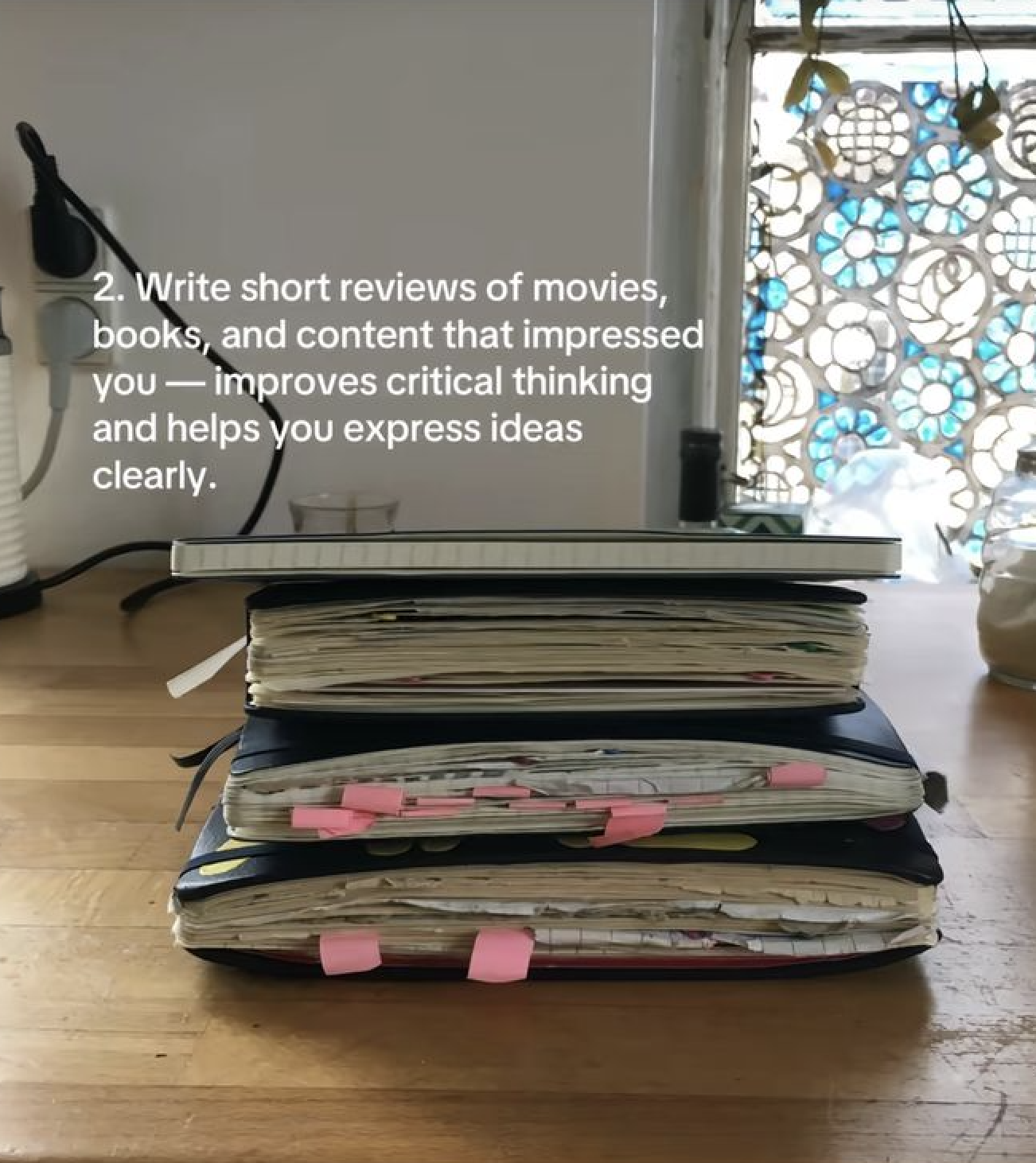
This is your capture device. A Moleskine, a $2 notebook from Target or a cute composition book, whatever you actually enjoy carrying. It goes everywhere — the museum, the coffee shop, dinner, the bookstore, on a trip, on your nightstand. You're not trying to make it pretty. You're trying to catch a thought before it disappears.

2. The monthly notes app

This is your digital brain. I already did this naturally before I ever thought of it as a "system" — one running note per month, in whatever notes app you already use, where everything goes. Mine looks like this:

AUGUST 🩷🧡💛🤎

  • Books I want to read

  • Podcast ideas

  • Things I want to research

  • Random thoughts

  • Quotes

  • Business ideas

  • Things intuition keeps putting on my heart

  • Things I noticed

  • Questions

  • Things I want to buy

  • Places I want to go

  • People I want to reach out to

One note. One month. Everything goes in. It doesn't need to be a complicated productivity system to work.

3. The thinking notebook/journal

This one is different from the pocket notebook. This is where you actually sit down and think — questions, reflections, longer ideas, things you're trying to work out. It's the notebook you bring when you're reading or studying something deeply, not the one you grab on your way out the door.

Take notes according to the situation

A generic "take better notes" tip doesn't help much on its own. Here's what it actually looks like in different moments.

When reading a book, write down:

  • Ideas that surprise you

  • Ideas you disagree with

  • Ideas you want to remember

  • Questions

  • Connections to your own life

  • Quotes

  • Words you don't know

  • Things you want to research

  • Things you want to implement

And above everything else, ask: what did this book make me think about?

At an art gallery, don't try to remember every painting. Instead, ask:

  • What do I notice?

  • What do I wonder?

  • What does this make me feel?

  • Why am I drawn to this?

  • What would I like to know about this artist?

You're not documenting the artwork. You're documenting your response to the artwork.

During a podcast, don't transcribe. Write down: the one idea you want to remember, the thing you disagree with, the question it raises, the idea it sparks in you.

During a conversation, capture the thing that stays with you. Sometimes the most valuable note isn't "she said X." It's "why did that comment stay with me?"

The "question list" — one of my favorite ideas

Start keeping a running list of questions. Not answers. Questions.

Because learning almost always starts with a question, not a conclusion. Try collecting things like:

  • Why am I fascinated by this?

  • Why does this idea keep coming back?

  • What do I want to understand better?

  • What am I curious about right now?

  • What would I love to learn this year?

  • What book could answer this question?

  • Who knows more about this than I do?

  • What does this remind me of?

  • What am I being drawn toward?

Carry that list with you. Over time, it starts to function like a personal curriculum for your own life — one nobody assigned you but you.

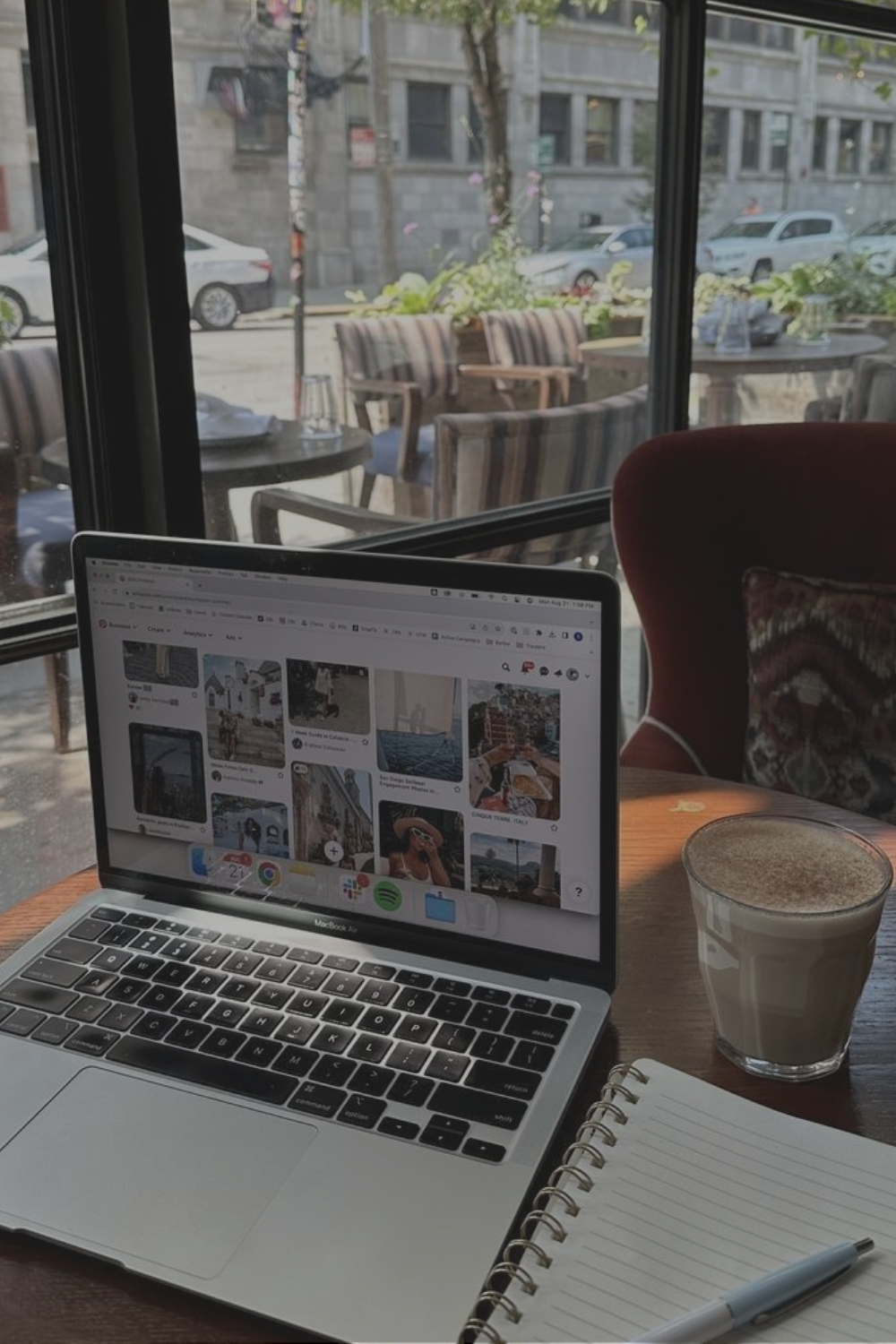
taking notes inspo

Your intuition has somewhere to land

This is where note-taking and something a little more personal start to overlap for me.

I want to be careful here — I'm not claiming neuroscience proves intuition, or that every nudge is divine. That's a different conversation, and I don't want to overstate it.

But I do believe there's more than one way to be spoken to. Scripture, prayer, other people, circumstances, wisdom — and sometimes that quiet internal nudge that says, pay attention to this.

Writing the nudge down doesn't mean every thought is some kind of sign. It simply means I'm willing to pay attention. That distinction matters to me.

Maybe intuition isn't always an answer. Sometimes it's a question that refuses to leave you alone.

Divine breadcrumbs

I've started calling these moments "divine breadcrumbs" — not as a formal belief system, just as a personal framework that helps me notice.

A book. A sentence. A person. A painting. A question. A podcast. An idea. A recurring thought. A conversation. A sudden desire to learn something you've never cared about before.

You don't have to know where any single one of these is going. You just write it down. Then, every so often, you look back — and you start to notice patterns you couldn't see in the moment.

This is where a note system stops being a productivity tool and starts becoming something closer to a record of your own becoming.

How to make your notes actually useful

Here's the problem nobody talks about: most people who start taking notes end up with thousands of them they never look at again.

So build in a simple weekly review. Once a week, ask yourself:

  • What did I learn?

  • What surprised me?

  • What am I still thinking about?

  • What keeps recurring?

  • What do I want to explore next?

  • Is there anything here I want to turn into something?

That last question matters most if you're a writer, a creator, or just someone who likes making things. A note can become an idea. An idea can become an essay, a podcast, a post, a product, or just a really good conversation.

My "better notes" formula

If you want a simple framework to hang all of this on:

CAPTURE → QUESTION → CONNECT → CREATE

  • Capture what catches your attention.

  • Question why it matters or what you want to understand about it.

  • Connect it to something you already know, experienced, read, or believe.

  • Create something with it — write, talk, teach, research, make, or change something.

The different ways you can actually take notes

There's no single right method. Some options worth experimenting with:

  • Handwritten notebook

  • Phone notes app

  • Voice memos

  • Annotations in books

  • Kindle or e-reader highlights

  • Index cards

  • Cornell notes

  • Mind maps

  • Bullet-point notes

  • Question-and-answer notes

  • Digital knowledge databases

Cornell's own learning center recommends experimenting with different systems rather than assuming one method is universally best. So don't build a complicated system before you've built the habit. A plain notebook you actually use beats an elaborate app you abandon in three weeks.

What NOT to do

  • Don't try to capture everything.

  • Don't turn reading into homework.

  • Don't copy someone else's words without thinking about them.

  • Don't make your notes so aesthetic that you're afraid to actually use them.

  • Don't create 47 categories.

  • Don't let the perfect note-taking app become a procrastination tool.

  • Don't assume every note has to become something.

Sometimes a note is just a note. Its whole job was to help you notice something. That's enough.

Coming back to why this matters

I started carrying a notebook again because I wanted to remember things. But somewhere along the way, I realized I was doing something else entirely.

I was becoming more observant. More curious. More engaged with the world around me. More willing to follow a question instead of dismissing it. More aware of what actually fascinates me.

In a world that's constantly telling us what to watch, what to buy, what to think about, and what to care about, taking notes is a small act of sovereignty. You're deciding: this matters to me. I'm curious about this. I want to remember this. I want to follow this.

And maybe that's one of the simplest ways to start hearing yourself again.

Frequently Asked Questions About Taking Notes

Why is taking notes important? Taking notes turns passive consumption into active thinking. Instead of just absorbing information, you're deciding what matters to you, which helps you retain it and actually use it later.

Does taking notes actually help you remember things? Yes — but not because writing something down magically stores it in your brain. It helps because the process of deciding what to write, and how to phrase it, forces you to engage with the material rather than just receive it.

Is it better to take notes by hand or type them? Research suggests handwriting tends to support deeper conceptual understanding, while typing lets you capture more volume. If your goal is genuinely understanding and remembering, handwriting has an edge. If your goal is capturing a large amount of information quickly, typing may serve you better.

How do you take notes while reading a book? Write down ideas that surprise you, ideas you disagree with, questions, connections to your own life, and quotes you don't want to forget. Most importantly, ask yourself what the book is making you think about — not just what it says.

Should I take notes while reading or after reading? Both have value. Jotting quick reactions in the moment captures thoughts before they disappear, while a short reflection after a chapter or the whole book helps you process the bigger picture.

How do I take notes without writing everything down? Focus on capturing things you want to remember, understand, explore, create, or that moved you — not a full transcript of what you read or heard.

What should I write down when reading a book? Surprising ideas, points of disagreement, questions, personal connections, quotes, unfamiliar words, and anything you want to research or apply.

What is the best note-taking method? There isn't one universal best method — it depends on your goals and how you think. Experimenting with a few approaches (handwritten notebook, Cornell notes, digital app) is more useful than assuming one is objectively superior.

What is the Cornell note-taking method? It's a structured system that divides a page into sections for main notes, key cues or questions, and a summary, designed to make review easier and notes more usable.

Is it better to highlight or take notes? Taking notes generally requires more active processing than highlighting, which is why it tends to support better understanding and recall. Highlighting can still be useful for quick reference, but it's a more passive activity.

How can I organize my notes? Keep it simple: a pocket notebook for quick capture, a single running digital note per month for everything else, and a separate notebook for deeper thinking. Complexity is usually the enemy of consistency.

How often should I review my notes? A weekly review is a good starting rhythm — enough to notice patterns and turn a note into something, without letting notes pile up unread for months.

How do I take notes from podcasts? Skip transcribing. Capture the one idea you want to remember, anything you disagree with, and any question or new idea the episode sparks in you.

How do I take notes from a museum or art gallery? Instead of documenting every piece, write down what you notice, what you wonder, what you feel, and why you're drawn to a particular work. You're documenting your response, not the artwork itself.

Can taking notes improve focus? Yes — research comparing note-taking methods has linked handwriting in particular to reduced mind-wandering compared to simply photographing or passively reviewing material.

What should I do with old notes? Revisit them during a periodic review. Look for recurring themes or ideas, and consider whether any of them are ready to become something — a piece of writing, a project, or a conversation worth having.

You may also like:

🩷 How to start a journaling practice

🩷 How to start a junk journal

🩷 Why you need to start a travel journal asap

🩷 A girls guide to Morning Pages journaling

Please feel free to email me at ashlina@thedecorista.com if you have any questions!  I’m always happy to help with decorating, life advice or even picking out a specific perfume!  Have an amazing day!!

Also, check out my Amazon shop HERE to shop all my favorite things, tips and tricks. You can also download the free LIKETOKNOW.IT app and follow me HERE.

STAY IN THE KNOW:  Don’t forget to sign up for my exclusive Love Letters for STYLE TIPS, LIFE ADVICE, COSMIC TEA, AND MUCH MORE!

As always, thank you so much for stopping by today, I truly appreciate all of you! xo, Ashlina

p.s. This post may contain affiliate links, which means I'll receive a commission if you purchase through my link, at no extra cost to you. I am so grateful for your support.

Download my FREE Manifestation Mindset Makeover workbook here.

Blog
how to take better notes to become a better thinker.jpg
journaling, mindset, personal development
How to Take Better Notes: A simple habit that will make you think better & why it matters for women
journaling, mindset, personal development
Read more →
journaling, mindset, personal development
the ultimate guide to morning pages.jpg
journaling, mindfulness, creativity, self care
Morning Pages: The Complete Guide to This Life-Changing Journaling Habit (+ How to Actually Stick With It)
journaling, mindfulness, creativity, self care
Read more →
journaling, mindfulness, creativity, self care
HOW TO SCRIPT AND MANIFEST WITH SCRIPTING.jpg
high vibe habits, manifesting, journaling, blissful babe, law of attraction
The Ultimate Guide to Scripting for Manifestation: Write Your Dream Reality Into Existence
high vibe habits, manifesting, journaling, blissful babe, law of attraction
Read more →
high vibe habits, manifesting, journaling, blissful babe, law of attraction
how to start a journaling practice when you dont know what to write.jpg
blissful babe, feminine energy, self care, spiritual glamour, journaling
How to Start a Journaling Practice (Even If You Don’t Know What to Write)
blissful babe, feminine energy, self care, spiritual glamour, journaling
Read more →
blissful babe, feminine energy, self care, spiritual glamour, journaling
44 blissful things to do on a sunday that will make your life better.jpg
blissful living, blissful babe, self care, journaling
44 things to do on Sunday that Will Set You Up for a Calm and Organized Week
blissful living, blissful babe, self care, journaling
Read more →
blissful living, blissful babe, self care, journaling
how to build a travel journal - louise carmen inspired.jpg
journaling, shopping, rituals
The Ultimate Girl’s Guide to the Travel Journal Trend (Parisian-Inspired + Affordable Options)
journaling, shopping, rituals
Read more →
journaling, shopping, rituals
how to start a junk journal.jpg
journaling, hobbies, creativity
How to Start a Junk Journal: A Step-by-Step Guide + 15 Inspiring Page Ideas
journaling, hobbies, creativity
Read more →
journaling, hobbies, creativity
How to Start A Gratitude Journal to Unlock Your Manifestation Power
journaling, mindfulness, self development, blissful babe, spirituality
How to Start A Gratitude Journal to Unlock Your Manifestation Power
journaling, mindfulness, self development, blissful babe, spirituality
Read more →
journaling, mindfulness, self development, blissful babe, spirituality
journaling, self care, self development, blissful living, feminine energy
The Journal Ritual You Didn't Know You Needed
journaling, self care, self development, blissful living, feminine energy
Read more →
journaling, self care, self development, blissful living, feminine energy
journaling, blissful babe, mindfulness, self development
Bliss Tip Of The Day: How To Honor Your Truth & Get Visible
journaling, blissful babe, mindfulness, self development
Read more →
journaling, blissful babe, mindfulness, self development
Life Hack: Why you should definitely start a Bullet Journal
life advice, biz advice, journaling, planner nerd
Life Hack: Why you should definitely start a Bullet Journal
life advice, biz advice, journaling, planner nerd
Read more →
life advice, biz advice, journaling, planner nerd
blissful living, journaling, self care, crystals
Journaling for Bliss: a glamorous guide to journaling
blissful living, journaling, self care, crystals
Read more →
blissful living, journaling, self care, crystals
Tags journaling, mindset, personal development
1 Comment

How to Make Your Energy Expensive: 7 Ways to Practice the Joy of Missing Out {podcast ep. 395}

ashlina kaposta August 10, 2026

Lately, I’ve been spending more time in solitude, romanticising my daily pleasures so that I can more clearly from God. As a woman who knows just how important it is to be living in alignment with your purpose, I was guided to talk a bit about what that actually looks like for the modern day woman.

Listen to the full podcast episode here:

For years, culture told us that being "in demand" meant saying yes to everything. Answering every text immediately. Showing up to every event. Chasing every opportunity before someone else could take it. Staying visible, available, and in the loop — because missing out felt like losing.

But somewhere along the way, a lot of us got tired. Not tired from doing too little — tired from doing too much of what never actually mattered to us in the first place.

That's where this idea comes in: making your energy expensive.

Expensive energy doesn't mean you're unavailable, cold, or hard to reach. It means you've stopped handing yourself out simply because something — or someone — is available to you. It means your time, attention, and presence have a price, and that price is discernment.

This is the foundation of JOMO: the Joy of Missing Out.

FOMO vs. JOMO: A Complete Mindset Shift

For most of our lives, we've been fluent in one language: FOMO, the fear of missing out. It sounds like:

  • What if I miss something?

  • What if everyone else is having more fun, making more money, moving faster than me?

  • What if I say no and the opportunity never comes back around?

FOMO keeps you reactive. It keeps you scrolling, comparing, saying yes before you've even checked in with yourself. It's exhausting because it's built on scarcity — the belief that there isn't enough opportunity, enough time, enough love, enough abundance to go around, so you'd better grab everything you can, just in case.

JOMO asks a completely different question:

  • What if I don't need everything?

That single reframe changes everything. JOMO isn't about isolation or withdrawing from life. It's not about missing out on purpose to prove a point. It's about recognizing that your energy is finite, valuable, and worthy of protection — and that saying no to the wrong things is what makes room for the right ones.

When you stop giving your energy away simply because it's requested, expected, or convenient for someone else, your energy becomes expensive. Not unattainable. Not guarded out of fear. Expensive in the way anything valuable is expensive — because it's limited, intentional, and reserved for what actually deserves it. It’s definitely a feminine energy mindset practice.

Here's why this matters more right now than it ever has before.

We are living in the most connected, most "available" era in human history. Every notification, every open tab, every group chat is a small request for a piece of you. Individually, none of them seem like much. Collectively, they add up to a life spent responding instead of choosing — reacting to what's in front of you instead of building the thing you actually want.

Expensive energy is the correction. It's not a trend, and it's not a phase of coldness before you go back to old habits. It's a permanent recalibration of how you decide what deserves you.

7 WAYS TO PROTECT YOUR ENERGY

1. Stop Saying Yes Out of Fear

Most of the yeses we regret weren't really yeses at all. They were fear wearing the costume of opportunity.

Underneath a fear-based yes, you'll usually find one of these:

  • Fear of missing an opportunity that might not come again

  • Fear of being left out of something everyone else is part of

  • Fear of falling behind people you're quietly comparing yourself to

  • Fear that if you don't take it, someone else will get what you secretly wanted

None of these are really about the opportunity itself. They're about a story running underneath it — a story that says if you don't grab this right now, you'll lose your place in line for your own life.

The problem is that a fear-based yes rarely feels good even when it works out. You get the job, the invite, the relationship, the deal — and instead of relief, you feel depleted. That's the tell. A genuine yes energizes you, even when it's hard. A fear-based yes just quiets the anxiety for a moment before the resentment sets in.

Practice: Before you say yes to anything, pause and ask yourself:

Would I still want this if nobody else knew I was doing it?

Strip away the audience. Strip away the fear of being left out. Strip away the comparison. If what's left is still a genuine want, that's a real yes. If what's left is silence, or relief at the idea of not doing it, that's your answer too.

This single question filters out an enormous amount of noise. It won't make every decision easy, but it will make most of them honest.

2. Stop Chasing What Doesn't Feel Aligned

Not everything that looks good is good for you. This is one of the hardest lessons to actually live by, because so much of what we chase is objectively impressive.

It could be:

  • The opportunity that looks incredible on paper but drains you every time you think about it

  • The relationship that photographs well but leaves you smaller in real life

  • The trend everyone's doing that has nothing to do with who you actually are

  • The business strategy that's working for someone else but fights against your natural rhythm

  • The lifestyle that looks aspirational from the outside but would cost you your peace on the inside

Alignment doesn't always look exciting from the outside. Sometimes the aligned choice is the quiet one, the slower one, the one that doesn't get any applause. And misalignment doesn't always look bad — sometimes it looks like the best offer you've ever received, timed perfectly to test whether you actually trust yourself.

Practice: Learn to tell the difference between "I want this" and "I think I should want this."

"I should want this" is usually inherited — from culture, from comparison, from an old version of you that needed external proof of worth. "I want this" comes from somewhere quieter and more stable. It doesn't need to be justified to anyone.

This is where intuitive living becomes essential. Intuition doesn't shout. It doesn't compete with fear, hype, or urgency — which means if you're only listening to the loudest voice in the room, you'll miss it every time. Slowing down enough to hear the difference is, in itself, an act of making your energy expensive.

3. Protect Your Attention

Your attention is one of the most valuable forms of currency you have — arguably more valuable than your money, because you can always make more money, but you cannot get back the hours, days, and years you spend absorbed in things that don't matter.

And yet most of us spend our attention the way we'd never spend our money: carelessly, automatically, without ever checking the receipt.

Making your energy expensive means becoming ruthless — kindly ruthless — about where your attention goes.

  • Stop consuming everything just because it's in front of you.

  • Stop checking everyone's lives like it's your job to stay updated on people who don't actually add to yours.

  • Stop comparing timelines, as if there's one universal schedule everyone is supposed to be following.

  • Stop letting other people's priorities silently become your own, just because they were louder about theirs.

Every time you open an app, agree to a conversation, or let your mind circle back to something that doesn't serve you, you're making a withdrawal. Multiply that by a day, a week, a year, and it's not hard to see why so many capable, intelligent women feel like they have nothing left by the end of the day — not because they aren't doing enough, but because their attention has been leaking out in a hundred directions they never consciously chose.

Practice: Be intentional about what you allow into your mental and emotional space. Before you consume something, ask what it's costing you, not just what it's offering you.

Your attention is an investment. Spend it accordingly.

4. Let Yourself Be Unavailable

Somewhere along the way, many of us absorbed the belief that being a good, kind, reliable person means being infinitely accessible. That any hesitation, delay, or boundary is a character flaw.

It isn't. You don't have to be accessible to everyone, all the time — and the people who genuinely respect you were never asking you to be.

Unavailability, practiced with grace, looks like:

  • Not answering immediately, just because you technically could

  • Not attending everything you're invited to, even things that would be "fine"

  • Not explaining every no in painstaking detail, as if your boundary needs a legal defense

  • Not participating in every conversation, debate, or group chat simply because you were included

The instinct to over-explain a no usually comes from the same fear that drives a fear-based yes — the fear that if you don't justify yourself, you'll be seen as difficult, cold, or ungrateful. But a boundary that requires a full explanation to be valid isn't really a boundary. It's a negotiation.

Practice: Create more space between the invitation and your answer. You don't owe anyone an instant response. A pause is not rudeness — it's respect for yourself.

You are allowed to pause. You are allowed to sit with a request before you decide what it deserves from you.

5. Stop Performing Your Life

This might be the practice that hits closest to home, because it's the one most quietly reinforced by the world we live in.

So much of modern life has become a performance of a life, rather than the actual living of one. And the pressure isn't always to lie — it's to constantly prove, in real time, that you're:

  • Successful

  • Happy

  • Busy

  • Desirable

  • Interesting

  • Productive

  • Living your best life

When you're performing, even good moments get filtered through the question: how will this look? That question quietly hijacks decisions that should be yours alone. You don't take the trip because you want the trip — you take it because you want to be seen taking it. You don't pursue the relationship because it feels right — you pursue it because it looks right.

Expensive energy doesn't perform, because performance is, by definition, giving your energy to an audience rather than reserving it for yourself.

Practice: Do things because you love them — not because they photograph well or validate your identity. Ask yourself honestly, for the things you're currently chasing: would I still want this if I could never post about it, mention it, or tell anyone?

A beautiful life doesn't need an audience. The version of your life that's actually worth living is usually the one nobody sees the best parts of — because you were too present living them to document them.

6. Trust That There Is Enough

Underneath almost every fear-based yes, every chase, every bit of performed success, there's a single quiet belief driving the whole thing: there isn't enough, so I have to grab what I can, while I can.

Scarcity has a voice, and it's convincing. It says:

"I have to grab this now. If I don't, it's gone."

Trust says something different:

"What's meant for me will not require me to abandon myself."

This is a deeply spiritual shift as much as a practical one. You don't need every opportunity that crosses your path. You don't need to compete with every other woman for a seat that was never yours to fight for. You don't need to chase every open door just because it happened to be open.

Some doors are open because they're meant for you. Others are open simply because they were left unlocked — and walking through them anyway, out of fear that this is your only shot, is how so many of us end up somewhere that was never actually ours.

Trust doesn't mean passivity. It doesn't mean sitting back and hoping things land in your lap. It means releasing the frantic energy of now or never, and replacing it with the steadier energy of right things, right timing.

Practice: When something doesn't feel right, let it pass without assuming you've missed your chance. What's actually meant for you was never going to require you to override your own knowing to get it.

7. Choose Your Life

Everything before this practice has been about subtraction — saying no, protecting attention, releasing fear, letting go of performance. This last one is where it all comes together, because the ultimate goal of JOMO was never really about missing out at all.

It's about choosing in.

Choosing:

  • Your priorities

  • Your values

  • Your season

  • Your relationships

  • Your work

  • Your home

  • Your peace

  • Your vision

Every no you practice in the six steps before this one exists to protect your capacity to say a full, wholehearted yes to the life that's actually yours. JOMO isn't the art of missing out on life. It's the art of stopping the habit of missing your own life because you were too busy watching, comparing, and reacting to everyone else's.

Practice: Ask yourself —

What would I choose if I stopped worrying about what everyone else was choosing?

Sit with that question honestly, without immediately jumping to justify or explain the answer to anyone. Because the goal was never to miss out on life. The goal is to stop missing your own life because you're so busy watching everyone else live theirs.

The Expensive Energy Checklist

Save this. Screenshot it. Keep it somewhere you'll actually see it before your next big (or small) decision.

Before you say yes, ask:

  • ☐ Do I actually want this?

  • ☐ Am I choosing this from desire or fear?

  • ☐ Does this support the life I'm building?

  • ☐ Does this require me to abandon myself?

  • ☐ Would I choose this if nobody else knew about it?

If it isn't a hell yes, you're allowed to let it pass.

Frequently Asked Questions About JOMO and Expensive Energy

What does "making your energy expensive" actually mean?

It means you no longer give your time, attention, and presence to people or opportunities simply because they're available to you. Instead, you choose what gets access to you based on alignment, not fear, urgency, or obligation. It's not about becoming unavailable — it's about becoming intentional.

Is JOMO the opposite of FOMO?

Yes, in the sense that FOMO is driven by fear and scarcity — the worry that you'll lose out if you don't say yes to everything — while JOMO is driven by trust and sufficiency, the belief that you don't need everything in order to be okay. But JOMO isn't simply "doing nothing." It's choosing what you actually want, on purpose, instead of reacting to what's in front of you.

Doesn't practicing JOMO mean missing real opportunities?

Not the ones meant for you. The practice isn't about rejecting everything — it's about slowing down enough to tell the difference between a genuine opportunity and a fear-based impulse. Opportunities that are truly aligned with your path tend not to require you to abandon your peace, values, or intuition to take them.

How do I stop feeling guilty about saying no?

Guilt around saying no is often inherited from a belief that your worth is tied to your availability. Practicing small, low-stakes "no's" builds the muscle. Over time, you'll notice that the people who matter respect your boundaries, and the discomfort of disappointing others gets easier to sit with than the exhaustion of constantly saying yes.

How is this different from just being lazy or checked out?

JOMO is not about disengaging from life — it's about engaging more deeply with less. A person practicing expensive energy is often more present, more focused, and more fulfilled in the things they do choose, precisely because they aren't spread across a hundred obligations that never mattered to them.

Can I practice this and still be ambitious?

Absolutely. Expensive energy isn't anti-ambition — it's anti-scattered. Protecting your attention and choosing aligned opportunities over every available one actually creates more capacity to pursue big goals, because you're not depleting yourself on things that don't move you closer to the life you want.

Where do I start if this feels overwhelming?

Start with the Expensive Energy Checklist above and apply it to just one decision this week — something small, like an invitation or a request on your time. Notice how it feels to pause before answering. That single pause is the entire practice in miniature.

How long does it take to actually feel the shift?

Most people notice a difference within a few weeks of consistent practice — not because the outer circumstances change immediately, but because the internal relationship with decision-making changes first. You start to feel steadier before you say yes, and lighter after you say no. The outer results — more aligned relationships, more focused work, more genuine rest — tend to follow once the internal pattern is established.

What if the people around me don't understand this shift?

Not everyone will, and that's expected. People who benefited from your unlimited availability may initially push back when you start protecting your energy. This isn't a sign you're doing it wrong — it's often a sign you're doing it right. The relationships and opportunities that are actually meant for this season of your life will adjust and often deepen. The ones that only worked because you never said no were likely costing you more than you realized.

Making Your Energy Expensive Isn't About Becoming Cold

It's easy to hear a practice like this and assume it means becoming distant, unavailable, or hard to reach. It doesn't.

Making your energy expensive isn't about becoming cold, unavailable, or difficult to access. It's about becoming a woman who knows her energy has value.

You stop giving your attention to everything. You stop saying yes to everything. You stop chasing everything. You stop comparing yourself to everyone.

And in the space that opens up, you start becoming deeply intentional about what gets your time, your attention, your presence, and your heart.

Because maybe you're not missing out.

Maybe you're finally choosing your life.

You may also like:

🌹 How to finally become a securely attached woman

🌹 How to balance your masculine & feminine energy

🌹 12 feminine energy books every woman should read

🌹How to reconnect with your feminine energy and find yourself again

Please feel free to email me at ashlina@thedecorista.com if you have any questions!  I’m always happy to help with decorating, life advice or even picking out a specific perfume!  Have an amazing day!!

Also, check out my Amazon shop HERE to shop all my favorite things, tips and tricks. You can also download the free LIKETOKNOW.IT app and follow me HERE.

STAY IN THE KNOW:  Don’t forget to sign up for my exclusive Love Letters for STYLE TIPS, LIFE ADVICE, COSMIC TEA, AND MUCH MORE!

As always, thank you so much for stopping by today, I truly appreciate all of you! xo, Ashlina

Blog
45+ budget friendly DIY halloween decorating ideas.jpg
September 1, 2026
45+ Easy and Budget Friendly DIY Halloween Decorating Ideas
September 1, 2026
Read more →
September 1, 2026
33+ Mocha Brown Nail Ideas: The Ultimate Chocolate Fall Manicure Trend You Need to Try in 2026
August 31, 2026
33+ Mocha Brown Nail Ideas: The Ultimate Chocolate Fall Manicure Trend You Need to Try in 2026
August 31, 2026
Read more →
August 31, 2026
30 blissful things to do to romanticize your fall.jpg
August 31, 2026
Fall Bucket List: 30 blissful things to do this Fall
August 31, 2026
Read more →
August 31, 2026
15 best spiritual books every woman must read.jpg
August 26, 2026
My 15 Favorite Spiritual Awakening Books for Women Who Are Evolving
August 26, 2026
Read more →
August 26, 2026
the ultimate guide to caring for orhids and how to make them last.jpg
August 13, 2026
The Ultimate Guide to Orchid Care: How to Grow Orchids Indoors & Keep Them Blooming
August 13, 2026
Read more →
August 13, 2026
how to take better notes to become a better thinker.jpg
August 11, 2026
How to Take Better Notes: A simple habit that will make you think better & why it matters for women
August 11, 2026
Read more →
August 11, 2026
35 COZY + ROMANTIC AT HOME DATE NIGHT IDEAS TO DO THIS FALL.jpg
August 10, 2026
40 Cozy + Romantic At-Home Fall Date Night Ideas for Couples (2026 Guide)
August 10, 2026
Read more →
August 10, 2026
how to make your energy expensive.jpg
August 10, 2026
How to Make Your Energy Expensive: 7 Ways to Practice the Joy of Missing Out {podcast ep. 395}
August 10, 2026
Read more →
August 10, 2026
everything you need to know about lions gate portal.jpg
August 8, 2026
The Hot Girl's Guide to the Lion's Gate Portal: Everything You Need to Know
August 8, 2026
Read more →
August 8, 2026
ARE YOU MANIFESTING FROM FEAR OR FAITH.jpg
August 5, 2026
Are You Manifesting From Fear or Faith? Here's How to Tell {podcast ep. 394}
August 5, 2026
Read more →
August 5, 2026
the ultimate guide to morning pages.jpg
August 5, 2026
Morning Pages: The Complete Guide to This Life-Changing Journaling Habit (+ How to Actually Stick With It)
August 5, 2026
Read more →
August 5, 2026
How to plan a DIY wellness retreat
August 3, 2026
How to Plan an Affordable Wellness Retreat at Home Step-By-Step
August 3, 2026
Read more →
August 3, 2026
23+ cozy fall inspired living room ideas you can recreate effortlessly.jpg
July 21, 2026
23 Cozy Fall inspired living room decorating ideas for a small home
July 21, 2026
Read more →
July 21, 2026
how to create a cozy bedroom tips for better sleep.jpg
July 21, 2026
Cozy Bedroom Sleep Sanctuary: 21 Budget Friendly Essentials for Better Sleep After 40
July 21, 2026
Read more →
July 21, 2026
how to find your online business niche when you have too many interests.jpg
July 16, 2026
How to Find Your Online Business Niche When You Have Too Many Interests {podcast ep. 391}
July 16, 2026
Read more →
July 16, 2026
55 everyday items to bedazzle that make life better.jpg
July 14, 2026
55 Random Things to Bedazzle: Easy DIY Guide & Genius Ideas for Everyday Items
July 14, 2026
Read more →
July 14, 2026
23+ STYLISH FALL OUTFIT IDEAS WITH HATS copy.jpg
July 14, 2026
23+ Effortless Fall Fashion Outfit Ideas With Hats
July 14, 2026
Read more →
July 14, 2026
19 charming french cottage bathroom decor ideas.png
July 13, 2026
French Cottage Bathroom Ideas: 19 Charming Ways to Get the Look (Even on a Budget)
July 13, 2026
Read more →
July 13, 2026
Guide to Leo season .jpg
July 13, 2026
Leo Season: The Hot Girls Guide to Thriving With Fire, Confidence & Creativity for all 12 signs
July 13, 2026
Read more →
July 13, 2026
20 walking essentials that make 10k steps so much easier
July 12, 2026
How I Fell in Love With Walking After 40 (+ 20 Essentials That Make 10,000 Steps So Much Easier)
July 12, 2026
Read more →
July 12, 2026
HOW TO SCRIPT AND MANIFEST WITH SCRIPTING.jpg
July 11, 2026
The Ultimate Guide to Scripting for Manifestation: Write Your Dream Reality Into Existence
July 11, 2026
Read more →
July 11, 2026
20 genius small laundry room decorating ideas.jpg
July 10, 2026
20+ Genius Small Laundry Room Decor & Organization Ideas
July 10, 2026
Read more →
July 10, 2026
12 best books on manifesting money and expanding wealth for women.jpg
July 8, 2026
The 12 Best Books on Manifesting Money + Expanding Wealth for Women
July 8, 2026
Read more →
July 8, 2026
12 DELICIOUS HIGH PROTEIN BREAKFAST IDEAS FOR WOMEN.jpg
July 7, 2026
12 Most Delicious High-Protein, Low-Calorie Breakfast Ideas for Women I found on Pinterest
July 7, 2026
Read more →
July 7, 2026
35+ BEAUTIFUL FRONT DOOR PLANTER IDEAS YOU WILL WANT TO RECREATE.jpg
July 7, 2026
35+ Stunning Front Door Planter Ideas (Genius Tips, Tricks & DIY Know-How)
July 7, 2026
Read more →
July 7, 2026
35+ Inspiring Halloween Entryway Decorating Ideas You Will Want To Copy
July 1, 2026
35+ Inspiring Halloween Entryway Decorating Ideas You Will Want To Copy
July 1, 2026
Read more →
July 1, 2026
How to host the ultimate stress-free Friendsgiving dinner party (20+ brilliant ideas)
June 30, 2026
How to host the ultimate stress-free Friendsgiving dinner party (20+ brilliant ideas)
June 30, 2026
Read more →
June 30, 2026
21+ delicious friendsgiving food ideas that are crowdpleasers.jpg
June 28, 2026
21 Easy & Crowd-Pleasing Friendsgiving Food Ideas Everyone Will Love
June 28, 2026
Read more →
June 28, 2026
19+ creative wall above the sofa decor ideas.jpg
June 25, 2026
How to decorate the wall above your sofa ( 19+ Chic & Creative Ideas You Must See )
June 25, 2026
Read more →
June 25, 2026
50+ beautiful beach vacation nail ideas you will want to screenshot.jpg
June 24, 2026
50+ Beautiful Beach Vacation Nail Ideas You'll Want to Screenshot
June 24, 2026
Read more →
June 24, 2026
Tags podcast, women empowerment, mindset, spirituality
1 Comment
  • Blog
  • Older
  • Newer

ASHLINA KAPOSTA

… A creative, work from home, mom-entrepreneur who is passionate about all things blissful living. Here you’ll find musings on decorating, slow living, self-development, health & wellness, manifestation, femininity, mindset & entrepreneurship.

Pour yourself a cup of tea and stay a while…


GET MY FREE WEEKLY LOVE LETTERS:

RECENT POSTS…

Featured
45+ budget friendly DIY halloween decorating ideas.jpg
September 1, 2026
45+ Easy and Budget Friendly DIY Halloween Decorating Ideas
September 1, 2026
Read more →
September 1, 2026
33+ Mocha Brown Nail Ideas: The Ultimate Chocolate Fall Manicure Trend You Need to Try in 2026
August 31, 2026
33+ Mocha Brown Nail Ideas: The Ultimate Chocolate Fall Manicure Trend You Need to Try in 2026
August 31, 2026
Read more →
August 31, 2026
30 blissful things to do to romanticize your fall.jpg
August 31, 2026
Fall Bucket List: 30 blissful things to do this Fall
August 31, 2026
Read more →
August 31, 2026
15 best spiritual books every woman must read.jpg
August 26, 2026
My 15 Favorite Spiritual Awakening Books for Women Who Are Evolving
August 26, 2026
Read more →
August 26, 2026
the ultimate guide to caring for orhids and how to make them last.jpg
August 13, 2026
The Ultimate Guide to Orchid Care: How to Grow Orchids Indoors & Keep Them Blooming
August 13, 2026
Read more →
August 13, 2026
how to take better notes to become a better thinker.jpg
August 11, 2026
How to Take Better Notes: A simple habit that will make you think better & why it matters for women
August 11, 2026
Read more →
August 11, 2026
35 COZY + ROMANTIC AT HOME DATE NIGHT IDEAS TO DO THIS FALL.jpg
August 10, 2026
40 Cozy + Romantic At-Home Fall Date Night Ideas for Couples (2026 Guide)
August 10, 2026
Read more →
August 10, 2026
how to make your energy expensive.jpg
August 10, 2026
How to Make Your Energy Expensive: 7 Ways to Practice the Joy of Missing Out {podcast ep. 395}
August 10, 2026
Read more →
August 10, 2026

LISTEN TO THE PODCAST:

Products I love:

The ultimate planner for women

My stacked Gold tennis bracelets

The best hair oil for shiny hair

Best Liquid vitamins for women

Wall mounted sconces

What I wear golfing

JOIN THE MEMBERSHIP:

learn how to manifest

learn how here

grab my NEWest E-BOOK:

CLICK HERE to read

Follow me on Houzz

SHOP MY STYLE:

BUY MY JOURNAL. . .

click here to purchase

premiere sponsors

This website is a participant in the Amazon Services LLC Associates Program, an affiliate program designed to provide a means for sites to earn advertising fees by advertising and linking to Amazon.com.

pinterest youtube-unauth facebook-unauth instagram-unauth

CREATE A BEAUTIFUL SITE LIKE THIS ONE

About us

Privacy Policy

ASHLINA KAPOSTA

Interiors. Lifestyle. Blissful Living.

Ashlina - Blissful Living, a lifestyle blog. Mindset, wellness, organization, decorating, spirituality, femininity

pinterest youtube-unauth facebook-unauth instagram-unauth