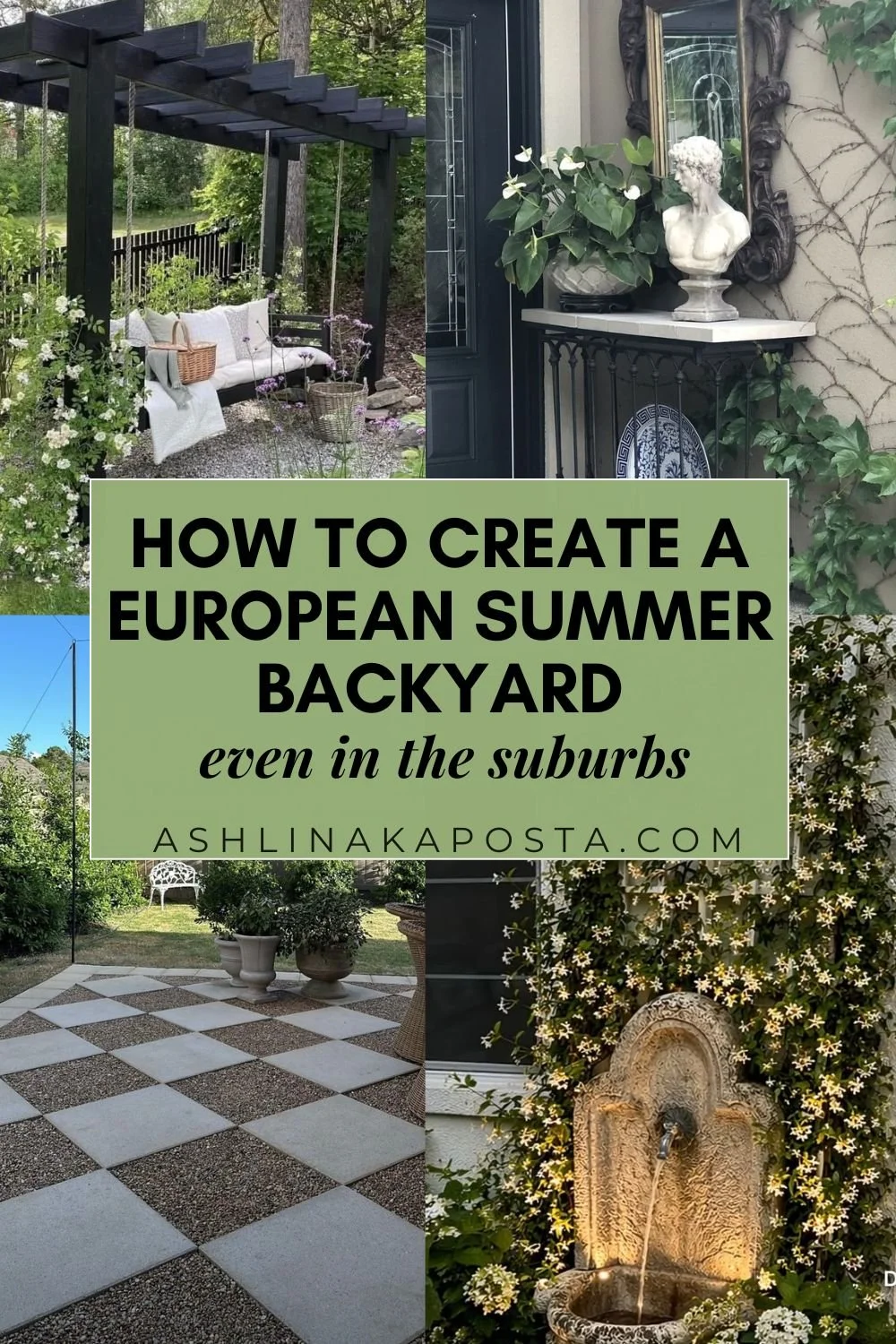
Close your eyes and picture it: a stone patio warmed by late afternoon sun, a linen tablecloth fluttering over a table set with citrus and wine, the hum of cicadas, string lights flickering on between olive branches. That's the European summer fantasy — the one currently flooding your Pinterest feed and every design blog you follow.
Here's the part nobody tells you: you don't need a villa in Provence or a courtyard in Tuscany to get it. You need a plan, a handful of the right materials, and about a weekend's worth of effort spread across a few projects. Even a standard quarter-acre suburban lot, hemmed in by a privacy fence and a view of your neighbor's trampoline, can be transformed into something that feels like a slow, sun-drenched European evening.
Related Reading: 50+ Beautiful Backyard Decor Ideas That Instantly Elevate Your Outdoor Space (Cozy, Chic & On Any Budget)
This guide walks through exactly how to do that — the layout principles, the materials that actually create the look (not just suggest it), the plants that hold up in a real climate, and the budget-tier options for every single element, so this works whether you're spending $200 or $2,000.
Quick answer, if you're skimming: a European summer backyard comes down to five things — a defined "room" instead of an open lawn, natural materials like stone, terracotta, and wicker, layered greenery (hedges, vines, and pots), warm ambient lighting, and a dining or lounging area designed for lingering rather than just passing through. Get those five right and the suburban fence disappears from view, visually and emotionally.
Why the European Backyard Look Is Everywhere Right Now
This isn't just a personal aesthetic preference — it's a documented, data-backed shift in how people want to use outdoor space. Houzz's most recent emerging trends report, which is built from actual year-over-year search behavior from homeowners and design professionals, found that European garden themes romanticizing French and Italian courtyards or English cottage patios are one of the top home design trends right now, and that overall, homeowners are looking to turn their outdoor spaces into functional retreats for entertaining, gardening, and relaxation.
It's not limited to people with sprawling backyards, either. As one recent design piece put it, you don't need a massive yard or even a full overhaul — a smaller patio or balcony can carry the same European garden romanticism that's influencing 2026 makeovers. Designer Leanne Ford, who moved into a home with a backyard that originally had nothing but a chain-link fence, intentionally designed her outdoor space with a nod to traditional European gardens — proof that the starting point doesn't have to be charming for the end result to be.
And the appeal goes beyond looks. Industry coverage this summer has noted a broader shift toward treating patios, balconies, rooftops, and backyards as outdoor living rooms borrowing from the world's most beautiful boutique hotels, built around plush seating, layered textiles, portable lighting, oversized planters, and curated corners for everything from dining to lounging. The European backyard trend and the "boutique hotel backyard" trend are really the same instinct: make the outside of your house feel as intentional as the inside.
The good news for suburban homeowners specifically: this look was never about acreage. It's about restraint, texture, and a few well-chosen materials repeated consistently — which is actually easier to pull off in a smaller, contained space than in a sprawling one.
What Actually Makes a Backyard Look "European" (And What Doesn't)
Before buying anything, it helps to know what's doing the visual work. There are several distinct European garden styles — French courtyard, Italian/Tuscan, Mediterranean coastal, English cottage — and you don't need to commit to just one. Most of the dreamiest backyards blend two or three.
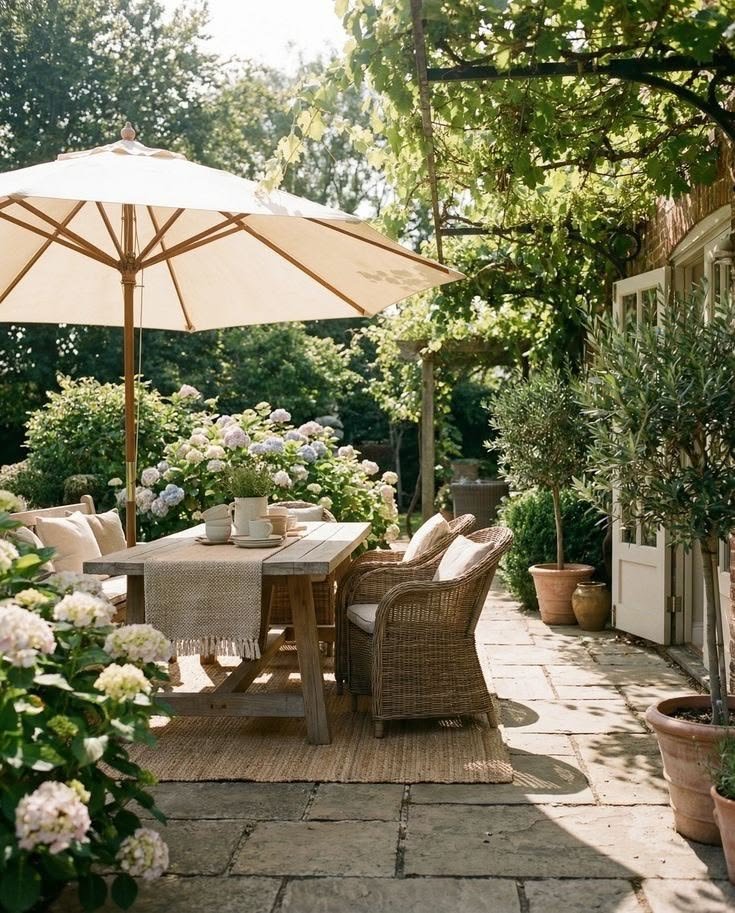
A few unifying threads show up across all of them:
Natural, weathered materials over anything shiny or new-looking. Think aged stone, terracotta, wrought iron, and wicker — materials that develop a lovely patina over time rather than looking pristine. A brand-new plastic planter will never read as European, no matter what you put in it. A $12 terracotta pot from a hardware store will.
Structure and "rooms" instead of open lawn. European gardens — particularly French and Italian ones — tend to be formal, with symmetrical plantings, closely clipped hedges, and decorative but functional structures like gazebos, pavilions, or pergolas, while English cottage style leans more informal but still divides space into distinct areas rather than one big open expanse.
Layered, intentional greenery. Boxwood hedges, climbing vines, and potted citrus or olive trees show up constantly because European gardens are often planted with a mix of trees, shrubs, vines, and perennials to create a full, lush look that engages the senses across the whole season, not just one bloom cycle.
Texture over color-matching. This is not a "pick three coordinating accent colors" aesthetic. It's wicker next to wrought iron next to weathered wood next to a faded striped cushion — different materials that feel collected rather than purchased as a set.
What it isn't: glossy resin furniture, perfectly matched patio sets from a single big-box aisle, bright primary colors, or anything that screams "new."
Step 1: Define Your "Room" Before You Buy Anything
This is the step almost everyone skips, and it's the single biggest reason suburban backyards don't read as European even after a shopping spree.
European outdoor spaces are rarely one undefined area. They're divided into purposeful zones — a dining nook, a lounging corner, a kitchen garden bed — the way Mediterranean courtyards are built around intimacy, with corners carved out of stone and shaded nooks that invite you to stay rather than one big open patio that serves every function poorly.
Before you buy a single chair, walk your yard and answer these questions:
Where does the afternoon and evening light actually fall? Mediterranean and French courtyard dining areas are typically positioned to catch late afternoon sun while feeling separate from the rest of the yard — not blasted by full midday heat.
Is there a spot that already feels slightly enclosed — near a fence corner, under a tree, beside the garage wall? That's your starting "room." You're going to lean into the enclosure, not fight it.
Can you mentally section your yard into 2–3 zones: a dining zone, a lounge zone, and (optional) a green/working zone for herbs or a kitchen garden?
If your yard is small, that's an advantage here, not a limitation — a single well-defined 10x10 zone with the right materials will read as more "European" than a sprawling, undefined lawn with a hodgepodge of furniture scattered across it. Small and intentional beats big and vague every time.
Suburban-specific tip: if your yard backs up to a fence, neighbor's view, or HOA-mandated open space, use the layout itself as your privacy strategy. A pergola, a tall planted hedge, or even a single well-placed trellis with vines can visually "close" a room without violating most HOA height restrictions on solid fencing — check your HOA's rules on pergolas and lattice specifically, since these are usually treated differently than fences.
Step 2: Choose Your Ground Material (This Is the Foundation of the Whole Look)
If you only do one structural project from this list, make it this one. Hard surfacing under your feet does more to establish "European" than almost anything else.
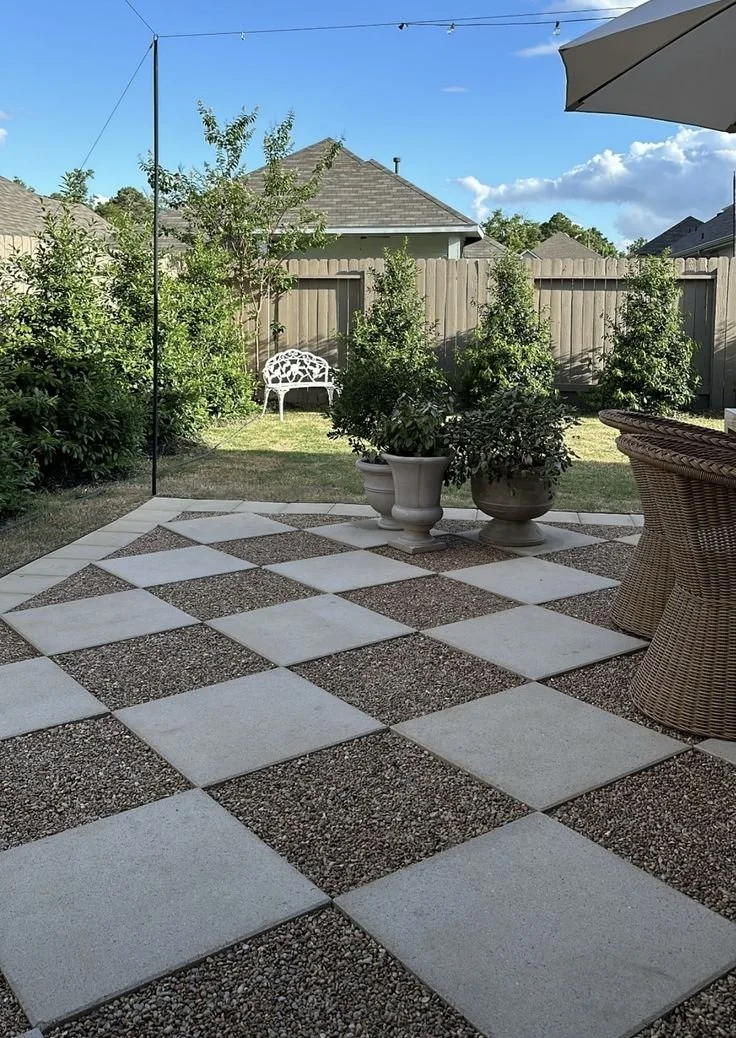
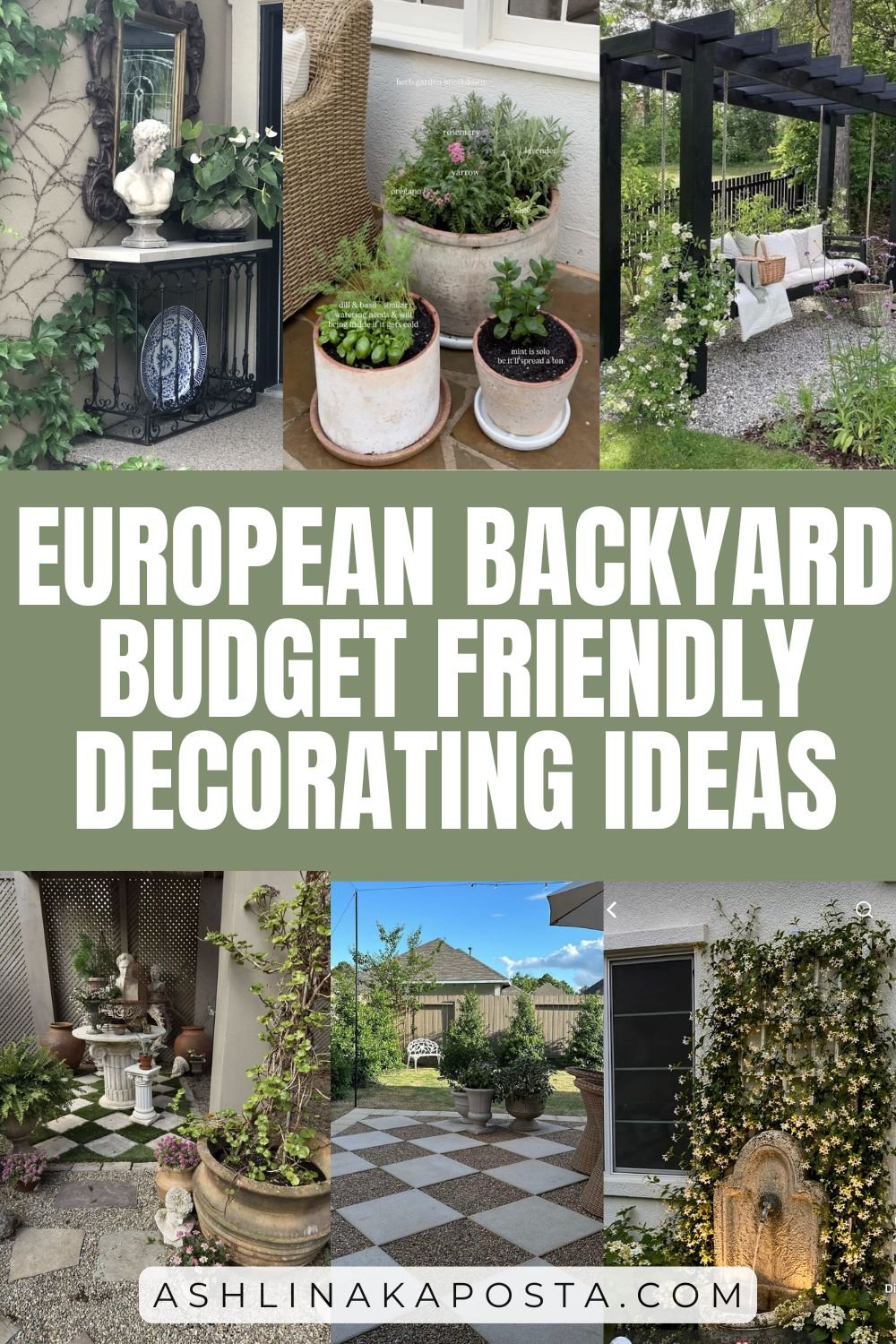
Checkered or patterned tile. A classic, instantly recognizable choice — laying checkered tiles as your patio is one of the most classic ways to design a European backyard, whether you go full black-and-white, a softer cream-and-terracotta combo, or even a painted version of an existing slab.
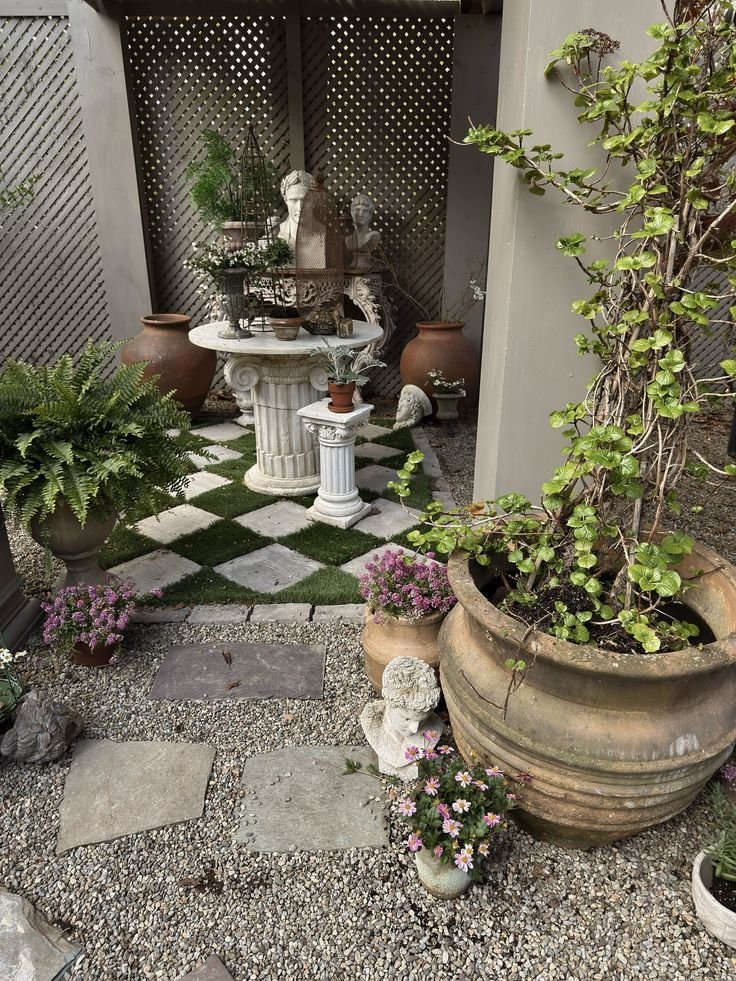
Crushed gravel or marble chips. For an easier, lower-cost option: crushed marble chips in white or cream create an Italian Masseria look, while pea gravel or limestone fines give a softer, more muted texture. Both drain well, stay cool underfoot, and require none of the maintenance that grass does — genuinely useful in a hot suburban summer.
Terracotta tile. Terracotta tiles give a natural, earthy color when laid over an existing concrete or patio slab and are one of the easiest "upgrade an ugly existing patio" options, since many can be installed directly over concrete without demolition.
Budget tiers:
Save: Pea gravel poured over landscape fabric in a defined bed — a weekend DIY project for under $150 for a modest area.
Mid-range: Paint an existing concrete slab in a checkerboard pattern using exterior concrete paint — a few hundred dollars in supplies and one weekend.
Splurge: Hire out terracotta or natural stone tile installation over an existing patio footprint.
If you're renting or can't alter the ground permanently, an outdoor rug in a faded Mediterranean stripe or terracotta tone, laid over existing concrete, gets you 70% of the visual effect for a fraction of the cost and zero permanence.
Step 3: Furnish With Texture, Not Trend
This is where most suburban backyards go wrong — buying a single matching patio set instead of building a layered, collected look.
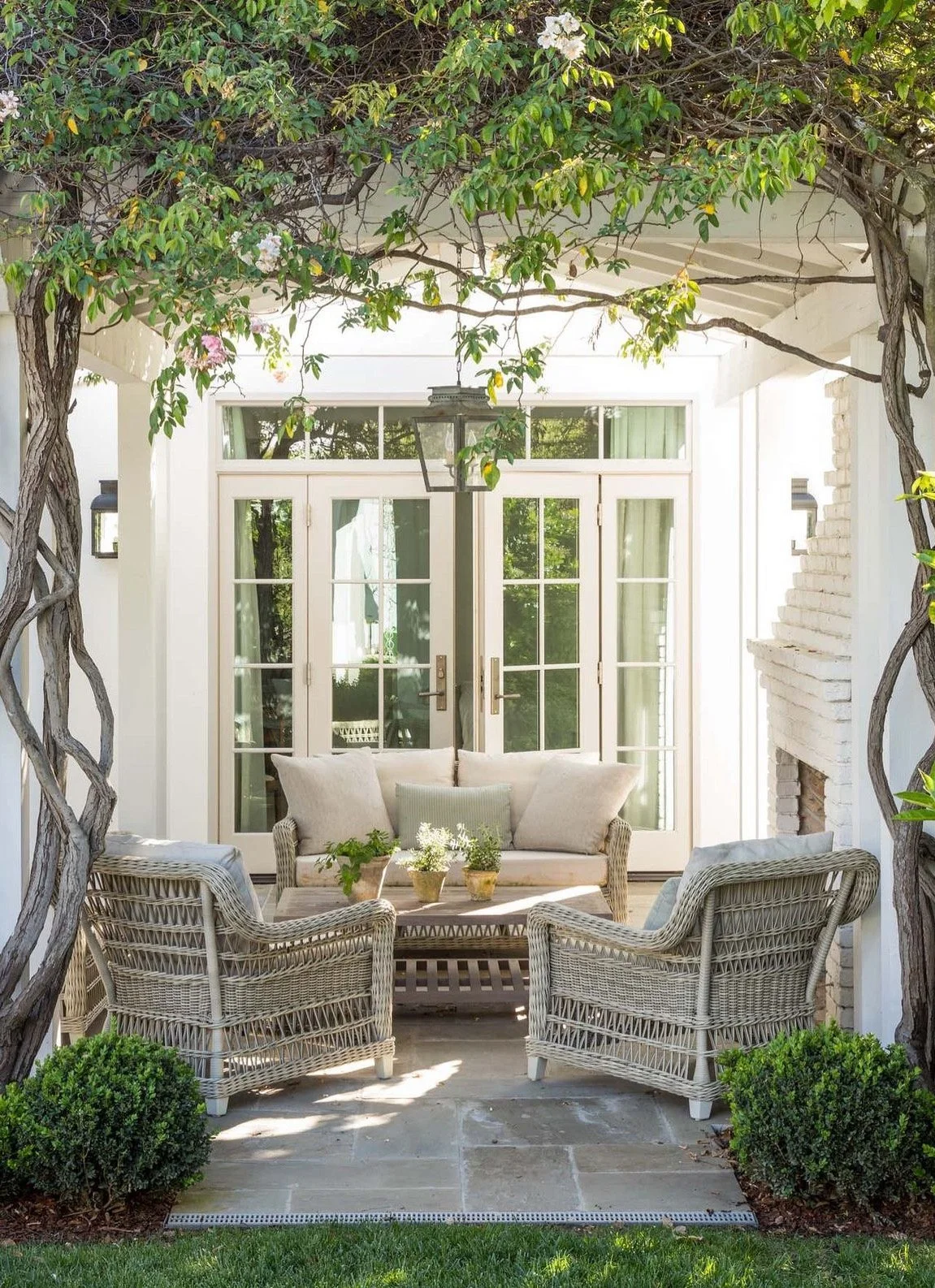
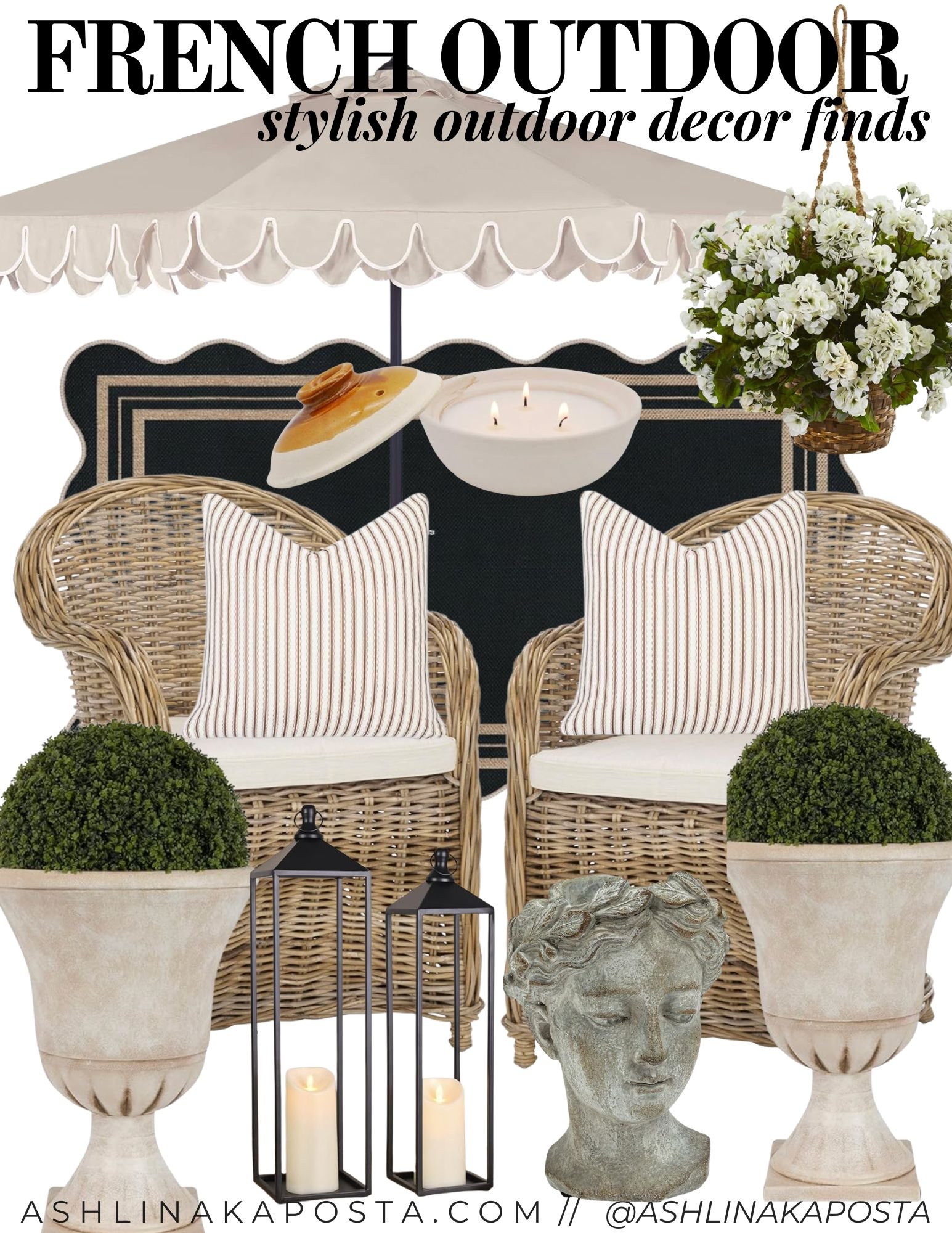
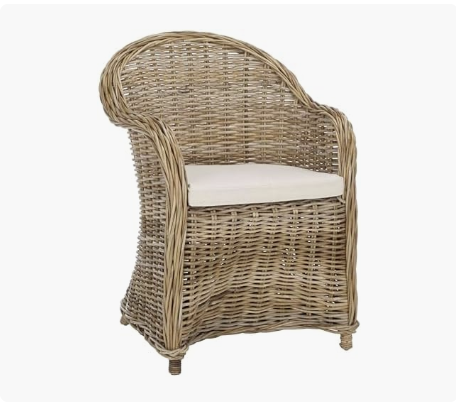
Wicker and rattan. A safe, classic anchor — good quality wicker furniture is a reliable, timeless choice for a European backyard design and pairs well with almost any of the European sub-styles.
Wrought iron. The other classic anchor material, and the two work well combined rather than chosen as an either/or — wrought iron furniture is, alongside wicker, one of the best choices for achieving the European backyard aesthetic.
Weathered teak and aged finishes. Designers have specifically called out artfully weathered teak pieces inspired by the French Riviera as a defining material of the look right now — which means you can buy new teak furniture and simply skip the protective oil treatment to let it silver naturally, or seek out secondhand pieces that already have that patina.
Pattern, sparingly. Layer in bold striped patterns inspired by Amalfi coast beach clubs through cushions, a tablecloth, or an umbrella — one or two pattern moments, not pattern everywhere.
Budget tiers:
Save: Thrift or marketplace-source a wrought iron bistro set; spray paint if needed; add a striped cushion.
Mid-range: A mix of an affordable wicker sectional with one statement wrought iron side table or plant stand.
Splurge: Genuine teak dining set left unfinished to weather naturally over a season or two.
Step 4: Add Shade and Structure With a Pergola (Or a Pergola Substitute)
A pergola is doing more design work than almost any other single addition, because it offers a space to hang string lighting, supports a structure for vining plants to create a green canopy, provides shade, and adds to the overall look all at once.
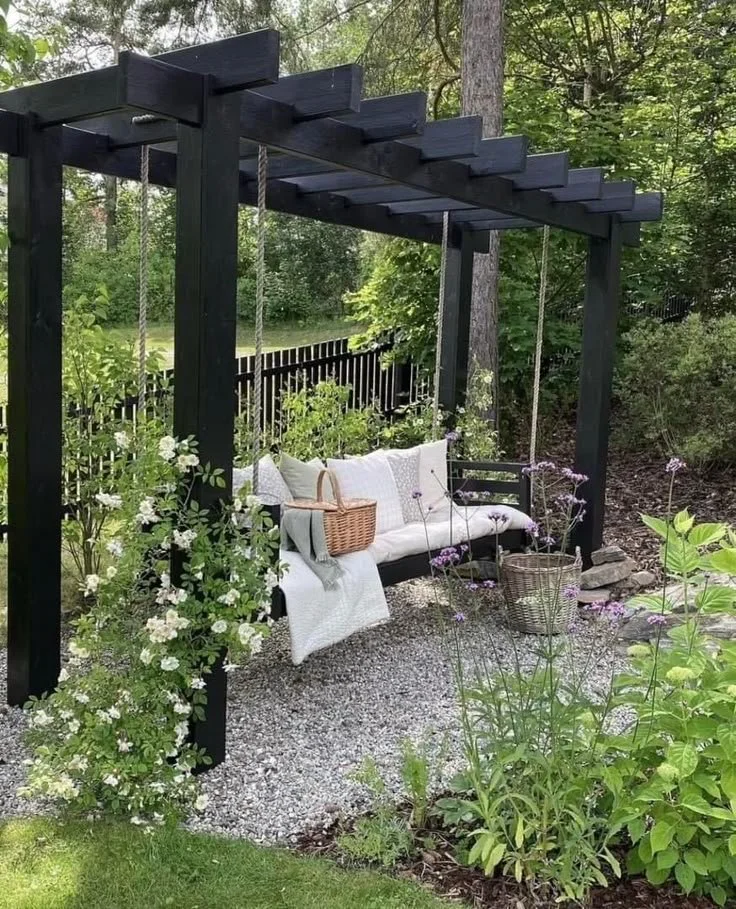
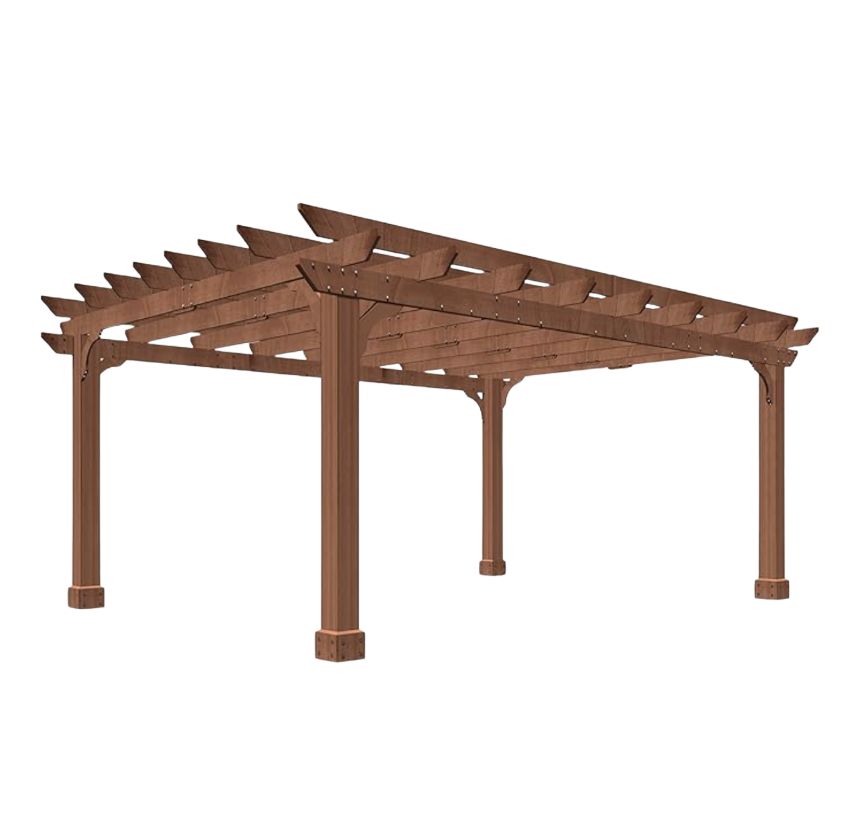
If a full pergola build isn't realistic for your budget or your HOA, you have workable substitutes:
A freestanding grape or wisteria trellis used as a focal point or garden divider, rather than attached to the house.
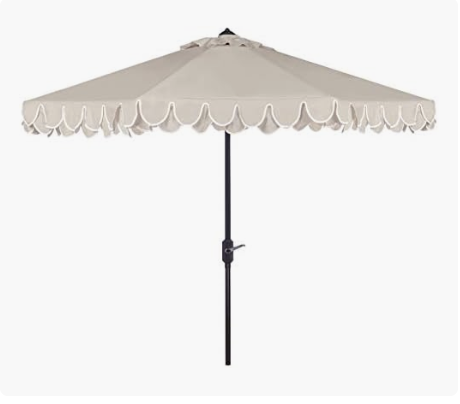
An umbrella with a vintage or striped design — sun umbrellas are practical for shade but also add directly to the European look when chosen in a faded stripe or scalloped edge rather than a plain solid color.
A simple wall-mounted lattice for climbing vines, which can deliver greenery and partial shade against a fence line without the footprint of a full structure.
Whatever structure you choose, plan to train a vine up it. Grapevines, wisteria, or climbing roses trained over a structure, combined with hung string lights or linen curtains, create a timeless, romantic, slow-living feel that a bare structure alone can't deliver.
Step 5: Build Layered Greenery (Even Without a Green Thumb)
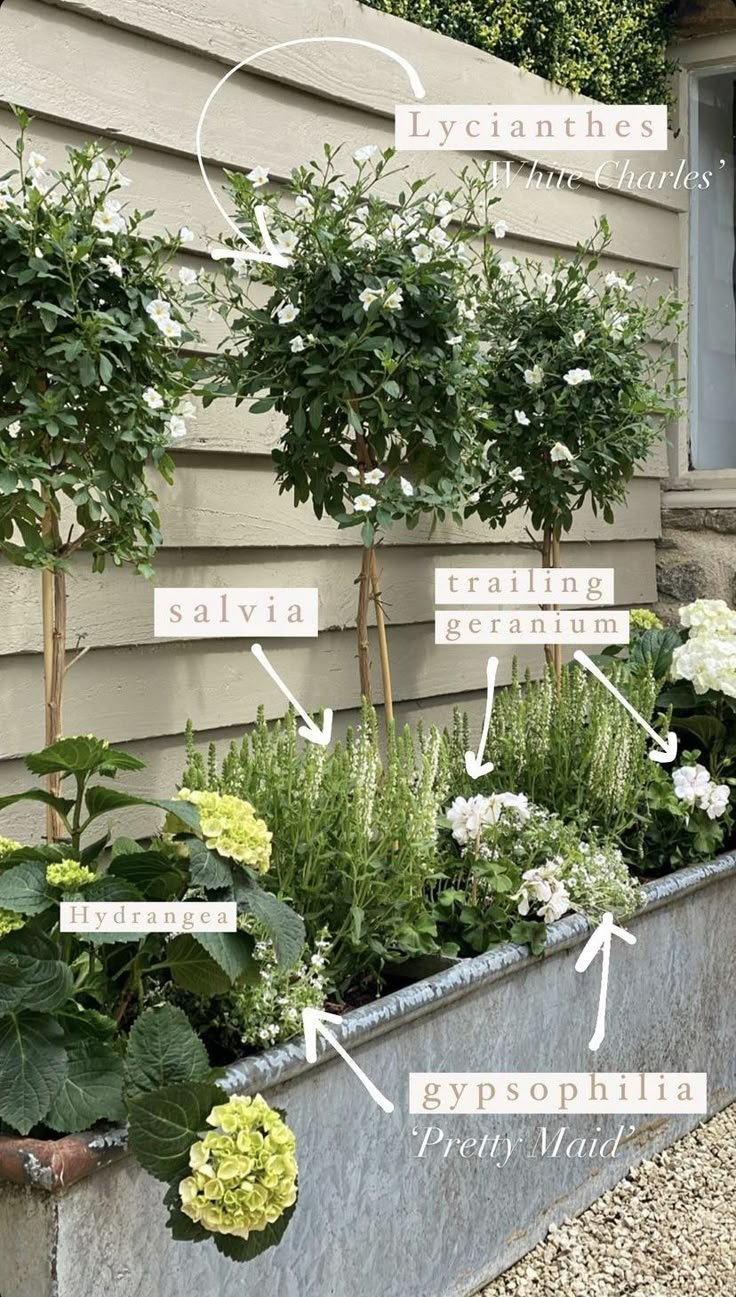
This is the step that takes a backyard from "nice furniture on a patio" to "this feels like somewhere else." A few reliable building blocks:
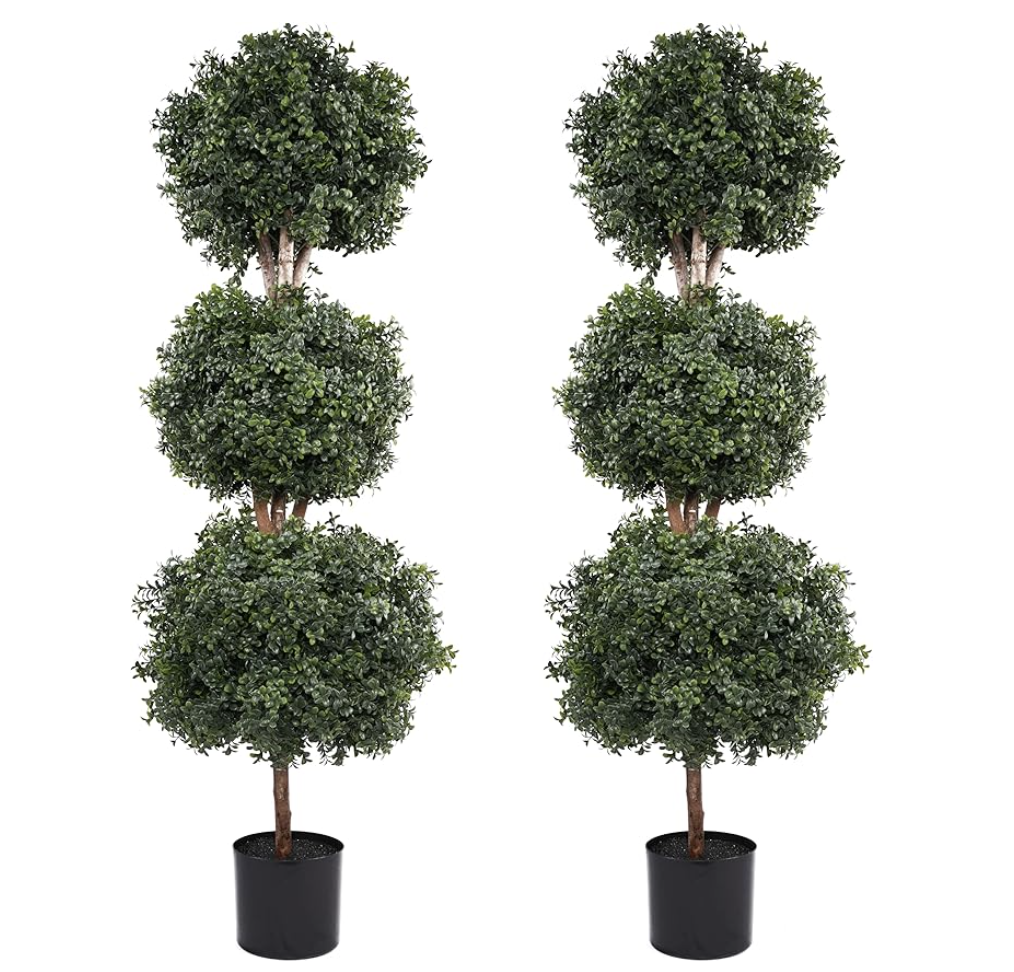
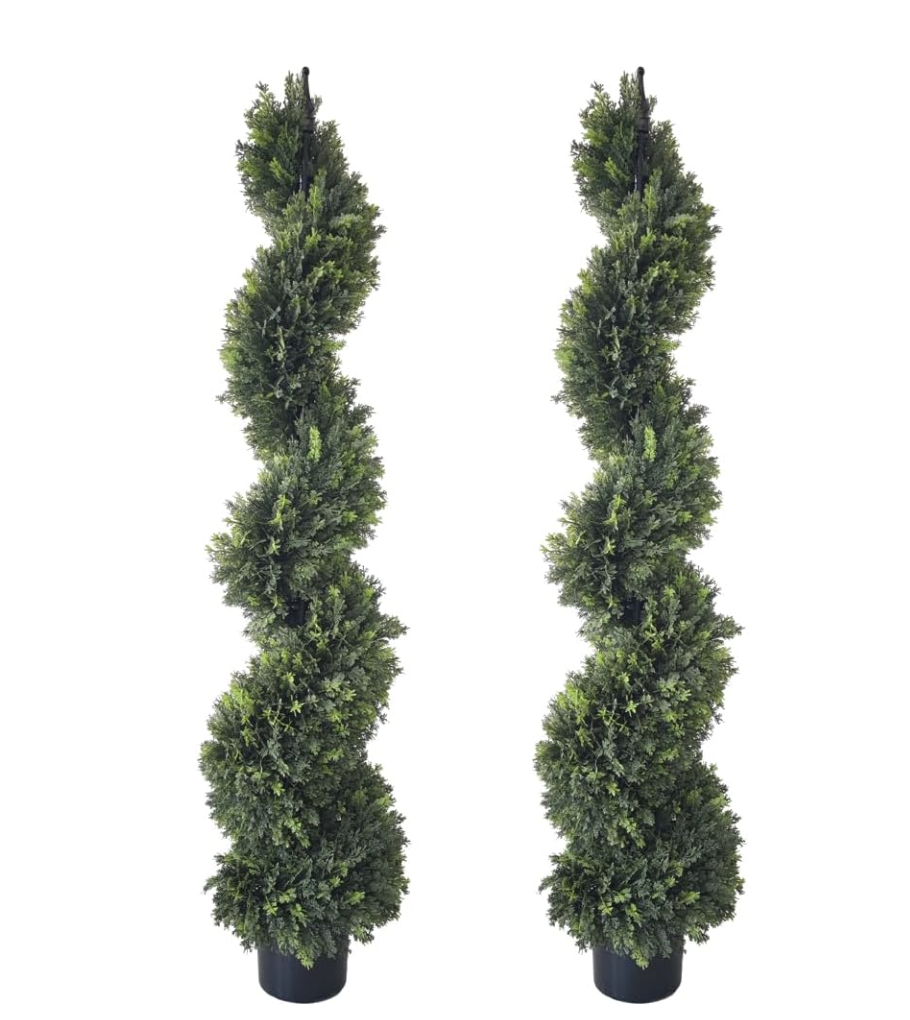
Boxwood and clipped hedges. Boxwood bushes and other shrubs or needle trees are common in European courtyards, adding color, helping with privacy, and looking stunning especially when planted in a layered arrangement. They're also genuinely low-effort once established — an annual trim is usually all they need.
Climbing ivy. Climbing ivy softens harsh architecture, creates a timeless elegant look, adds greenery, and even helps with wind and noise control — useful if your "harsh architecture" happens to be a vinyl privacy fence or a bare cinderblock wall, which is a very suburban problem to have.
Potted citrus or olive trees. A signature move of the look — an olive tree for elegance or a citrus tree for charm anchors the space, giving structure, shade, and even edible beauty, and dwarf citrus varieties like Meyer lemon or calamondin can grow and root for years in large pots, which matters enormously if you're outside a true Mediterranean climate and need to bring a plant in for winter. If a live olive tree isn't realistic in your growing zone, note that faux olive trees remain one of the season's most sought-after décor items for exactly this reason — they deliver the visual without the climate requirement.
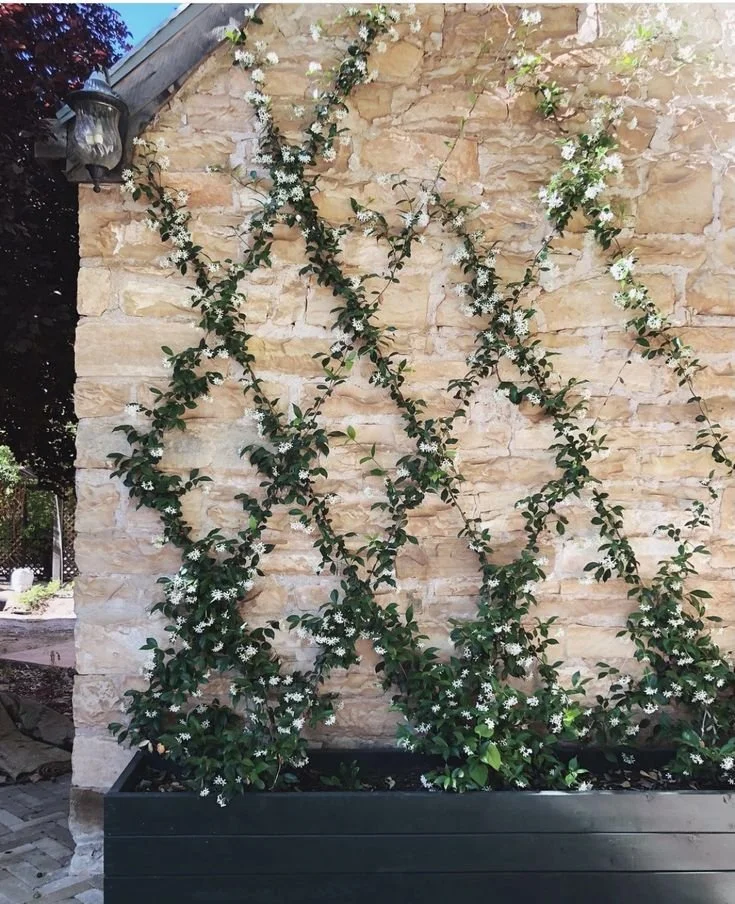
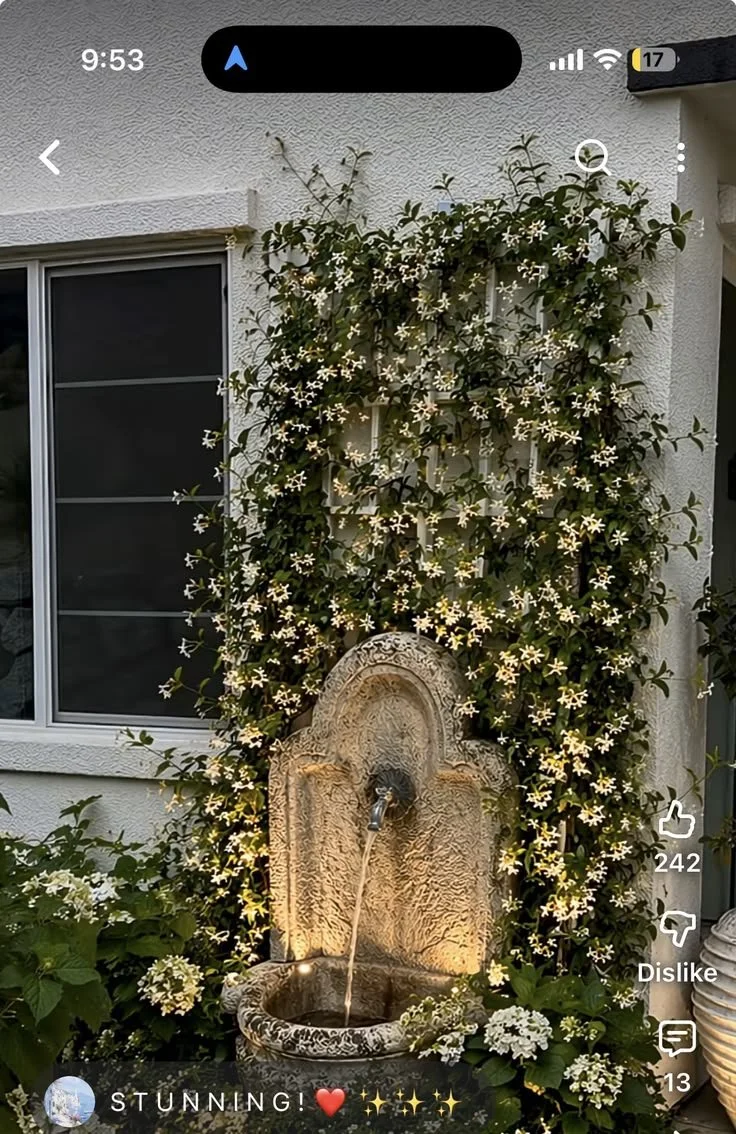
A jasmine trellis. One of the most gorgeous and fragrant plants you could add to your garden. This will make your home look and smell like a dream.
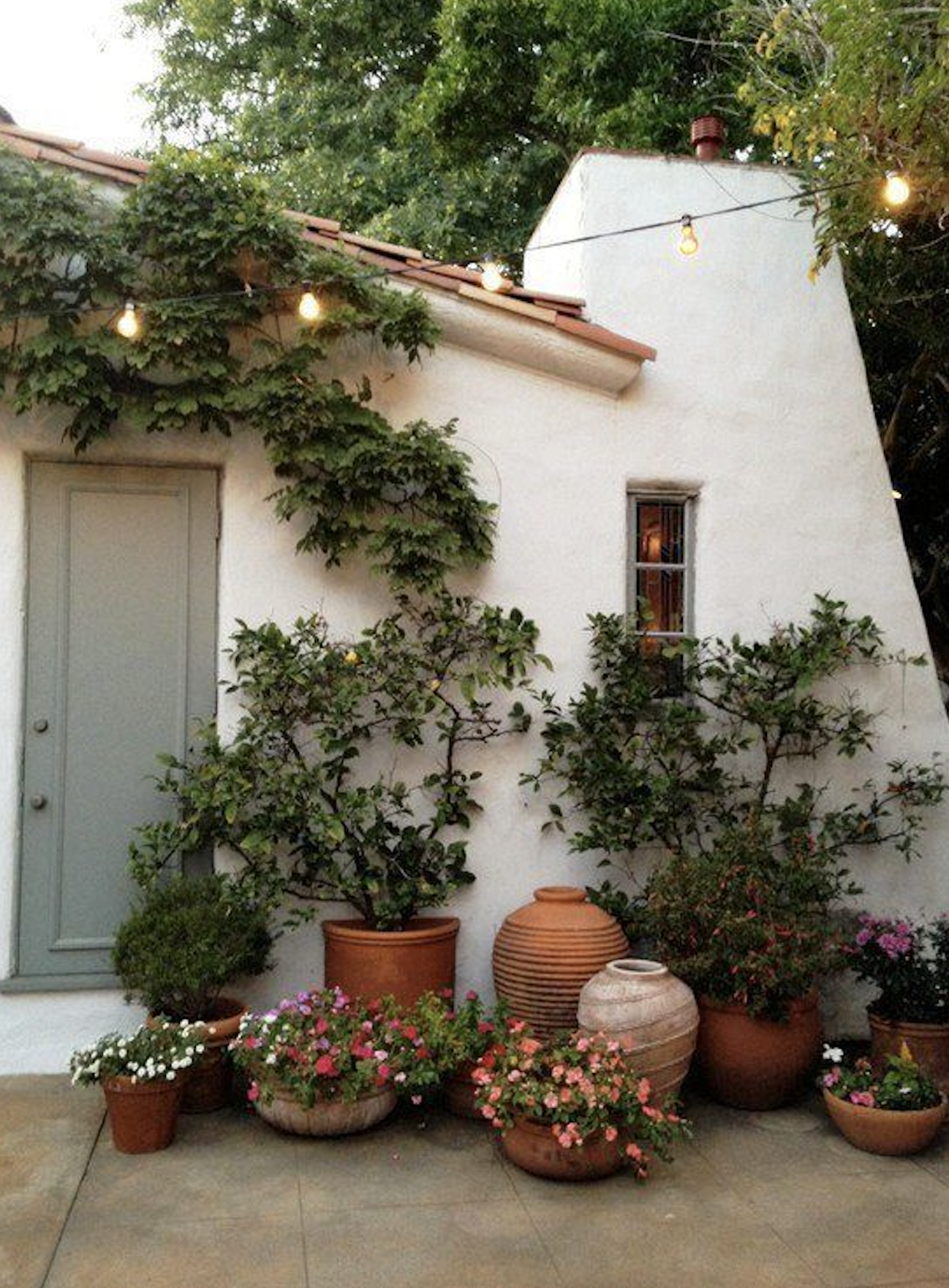
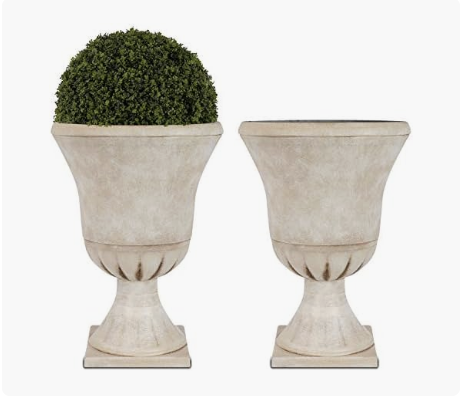
Terracotta everywhere. Stone planters — whether terracotta, cement, or soapstone — show up in almost every European backyard, and oversized terracotta planters filled with lavender, rosemary, and ornamental grasses deliver that European feel even without a single fruit tree.
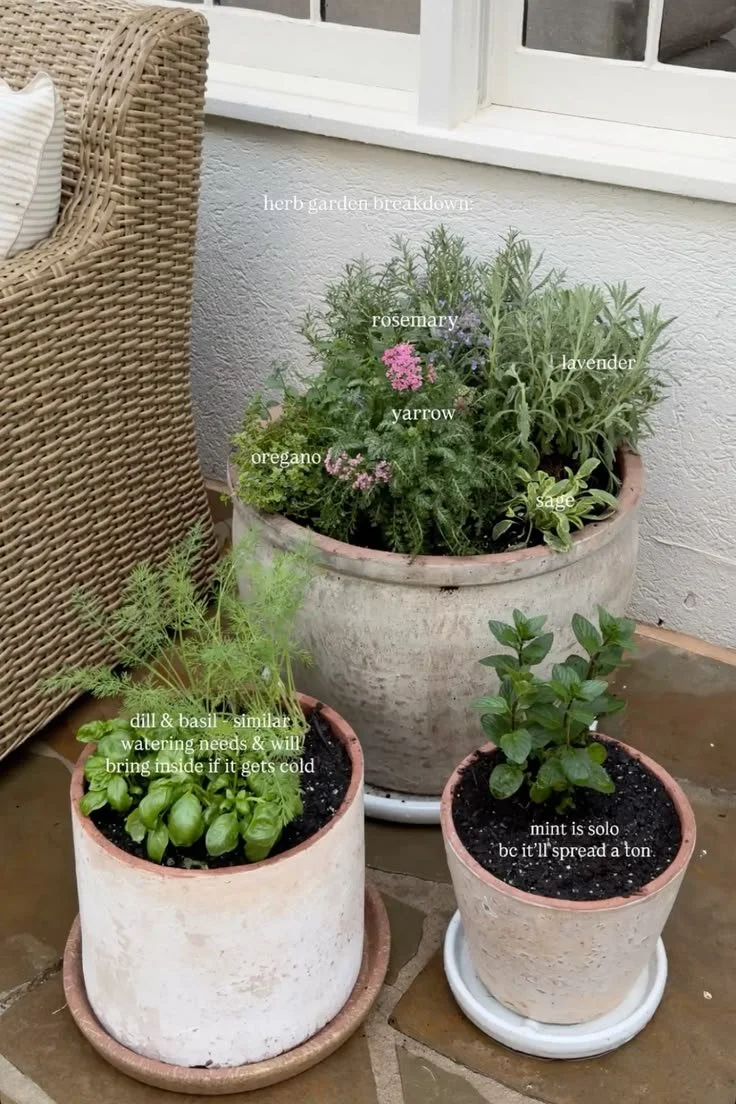
A small herb or kitchen garden. Lean into the old French tradition of the potager, or kitchen garden — even a few pots of herbs edged in stone add color and fragrance while giving the space a working, lived-in quality rather than a purely decorative one.
If you're working with a real climate (not Southern California): be honest about what your growing zone can actually support, and research regional alternatives if your climate is far from a true Mediterranean one. Practical swaps: substitute boxwood-style structure with dwarf yaupon holly or compact junipers in colder zones, use hardy lavender varieties bred for humidity in the Southeast, and treat citrus and olive as patio-pot plants you bring in for winter rather than in-ground specimens almost anywhere outside zones 9–11.
Step 6: Layer In Lighting and Small Details
Ambient lighting is non-negotiable for this look. Soft lighting adds to nighttime curb appeal, helps create a cozy feel, and completes the space in a way nothing else fully replicates after sunset.
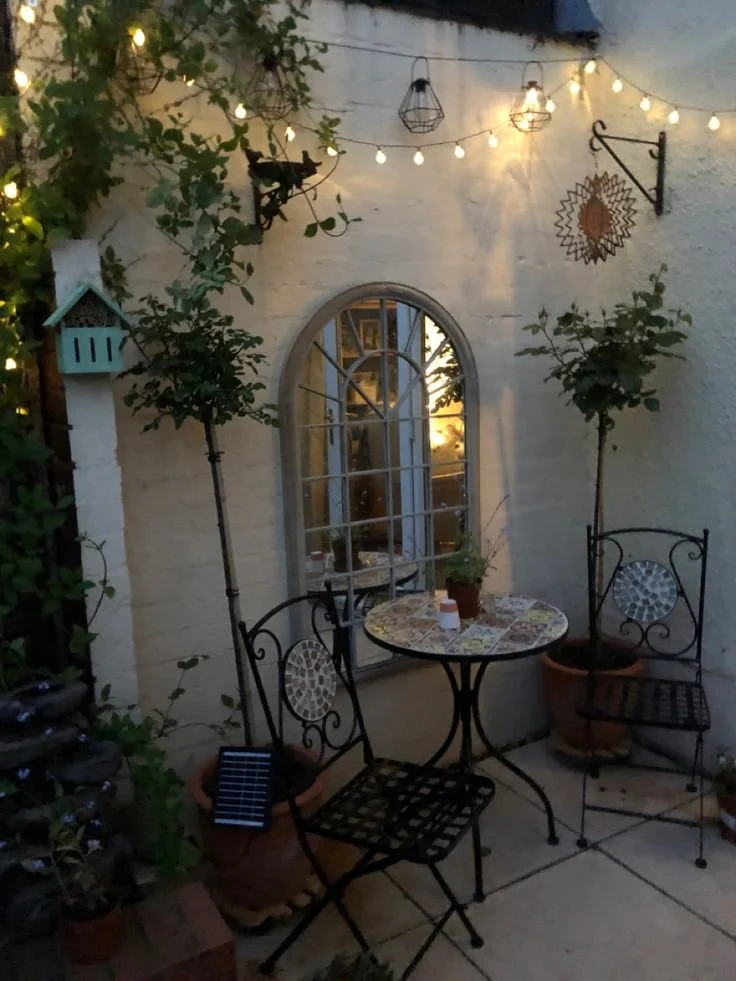
Specific details worth borrowing:
String lights woven through a pergola or along a fence line — simple, cheap, and consistently part of the look.
Portable, rechargeable lamps, the kind once reserved for luxury hospitality settings and now showing up on backyard dining tables and condo balconies, which solve the problem of no nearby outdoor outlet.
Wrought iron or aged-finish lanterns rather than solar stake lights from a big-box seasonal aisle.
Linen napkins, a stack of real glassware, and a pitcher set out on the table even when no one's eating — an outdoor entertaining station stocked with beautiful glassware and a pitcher of citrus-infused water makes a space look ready to use, not just decorated.
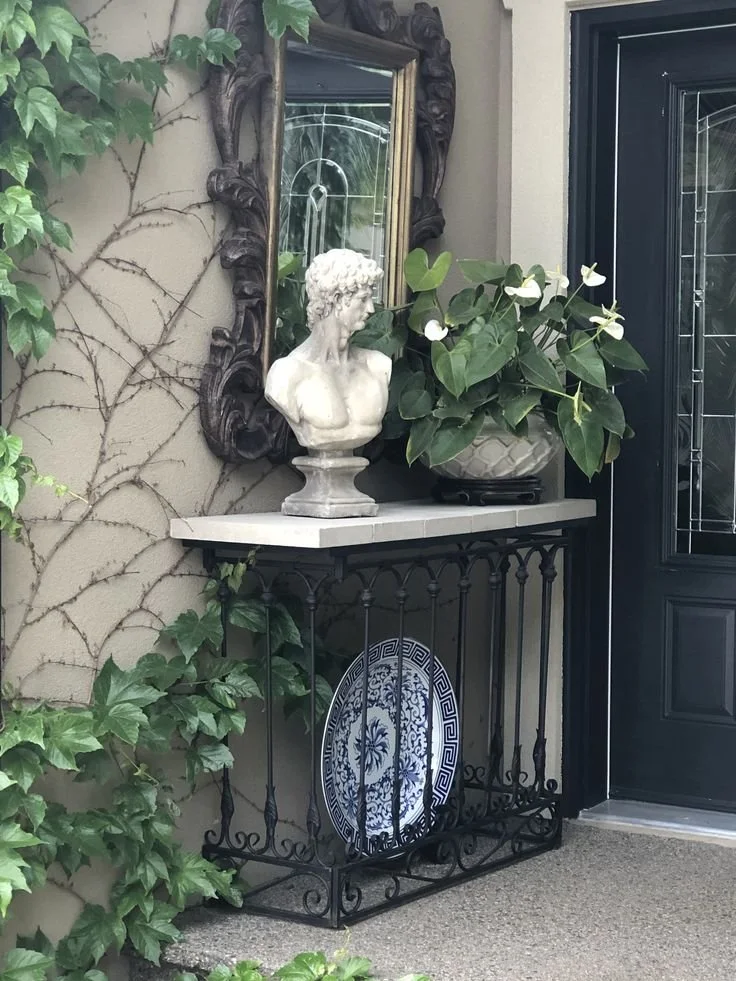
Decorative anchors like a small fountain, a garden statue, or a birdbath — decorative touches like sculptures, birdbaths, or café tables help anchor the design visually and give the eye a focal point.
Suburban-Specific Problem-Solving
This is the section most "European garden" content skips entirely, because it's usually written by people who already have a real garden, an established climate, or no fence in sight. If you're working with a typical suburban lot, here's how to handle the actual obstacles.
The privacy fence problem. Don't fight it — disguise it. A vinyl or wood privacy fence painted a warm, weathered tone (think aged cream, dusty terracotta, or soft sage rather than stark white) reads completely differently than the same fence left unpainted. Add a trellis with climbing vines directly against it, and the fence visually disappears into the greenery within a season.
The small or oddly-shaped yard problem. Smaller spaces actually suit this aesthetic better than sprawling ones — go back to Step 1 and define a single tight "room" rather than trying to spread the look thin across an entire yard. One beautifully done 8x10 dining nook beats a half-decorated full lawn every time.
The HOA problem. Most HOAs regulate fence height and permanent structures but are far less restrictive about freestanding furniture, planters, string lights, and movable trellises. Before any structural project (pergola, paint, permanent planting beds), check your HOA's architectural guidelines — but know that 90% of this guide's ideas (furniture, pots, lighting, a portable trellis) typically need no approval at all.
The "I kill every plant I touch" problem. Lean harder into hardscape and pots over in-ground planting. Terracotta pots with drought-tolerant herbs (rosemary, lavender, thyme) are genuinely close to unkillable, and a faux olive tree solves the anchor-greenery problem with zero watering required.
The tight-budget problem. Sequence your spending: ground treatment and one structural greenery element (a trellis or a few large pots) first, then lighting, then furniture last. A gravel patio with a vine-covered trellis and string lights, furnished with a thrifted bistro set, will outperform an expensive matching patio set placed on bare grass every time.
Your European Backyard Shopping List
A scannable recap of what to actually source, grouped by category:
Hardscaping: pea gravel or crushed marble chips, exterior concrete paint (for a checkerboard patio), terracotta or natural stone tile, an outdoor rug in stripe or terracotta tones.
Furniture: a wicker or rattan seating piece, a wrought iron bistro set or side table, unfinished or weathered teak furniture, striped cushions and a linen tablecloth.
Structure: a pergola kit or freestanding trellis, a vintage-style or scalloped market umbrella, wall-mounted lattice for vines.
Greenery: boxwood shrubs, climbing ivy or jasmine, a dwarf citrus tree or faux olive tree, oversized terracotta planters, lavender and rosemary for pots.
Lighting and details: outdoor string lights, a portable rechargeable lamp, wrought iron lanterns, real glassware and linen napkins for styling, one decorative anchor piece (small statue, birdbath, or fountain).
Common Mistakes to Avoid
Buying a matching furniture set. A single coordinated patio set from one store is the fastest way to make a space feel suburban-default rather than European-collected. Mix at least two distinct materials.
Skipping the ground. Furniture and plants placed directly on plain grass or a bare concrete slab will never fully read as European, no matter how good the individual pieces are. The ground treatment is doing more work than people expect.
Going too bright or too matched on color. This aesthetic runs on warm neutrals, terracotta, weathered wood tones, and greenery — not coordinated brights. If every cushion and pot is the exact same shade, it'll look staged rather than collected.
Forgetting nighttime. A backyard that looks great at 2pm and goes completely dark at 8pm is only half-finished. Lighting is not optional decoration here; it's core to the look.
Trying to do everything in in-ground plantings. Skipping pots entirely makes the look harder to achieve and harder to maintain, especially outside a true Mediterranean climate. Pots are not a compromise — they're part of the authentic look itself.
Frequently Asked Questions
Do I need a big backyard to pull off a European look? No — if anything, a smaller, well-defined space is easier to style convincingly than a large, open one. European courtyards are built around intimacy and enclosed "rooms," not sprawling lawns, so a modest suburban yard is naturally suited to the aesthetic.
What's the cheapest way to start a European backyard makeover? Begin with ground treatment and one greenery element. A bag or two of pea gravel laid in a defined patio area, paired with a thrifted wrought iron chair and a terracotta pot of rosemary, delivers a noticeable shift for well under $200.
Can I do this if I don't live somewhere warm and sunny year-round? Yes. Swap true Mediterranean plants for climate-appropriate alternatives (dwarf evergreens instead of boxwood in cold zones, hardy lavender varieties in humid regions) and treat citrus or olive trees as potted plants brought indoors for winter rather than in-ground specimens.
What's the difference between French, Italian, and Mediterranean garden styles? French and Italian styles tend to be more formal, with symmetrical plantings and clipped hedges; English cottage style is more relaxed and informal; Mediterranean coastal leans into terracotta, gravel, and sun-loving herbs. Most real-world backyards blend elements from two or more rather than committing strictly to one.
Will my HOA allow this kind of backyard makeover? Most of the ideas here (furniture, pots, lighting, movable trellises) typically don't require HOA approval. Check your specific guidelines before anything structural or permanent, like a built pergola, fence paint color change, or in-ground planting beds.
How long does a backyard like this take to put together? A basic version (ground treatment, a furniture piece or two, lighting, and a few pots) is realistic in a single weekend. The fuller look — established hedges, a trained vine on a pergola, a layered plant collection — typically develops over one to two growing seasons.
The Takeaway
A European summer backyard isn't really about geography — it's about a handful of repeatable choices: a defined space instead of an open lawn, natural and weathered materials, layered greenery in pots and beds, warm lighting after dark, and furniture that looks collected rather than matched. None of that requires a villa, a different climate, or a yard bigger than the one you already have.
Start with the ground and one structural piece, add greenery in pots you can control, and let the lighting carry it into the evening. By the time string lights are flickering over your own gravel patio table, the fence line won't be the first thing you notice anymore.
Save this guide to Pinterest so you have it on hand all summer as you work through each step.
you may also like:
💛 50+ beautiful + budget friendly backyard decor ideas
💛 How to have a Nancy Meyers Summer
💛 22 Simple Summer Decorating Ideas
💛 22 calming kitchen countertop styling ideas
Please feel free to email me at ashlina@thedecorista.com if you have any questions! I’m always happy to help with decorating, life advice or even picking out a specific perfume! Have an amazing day!!
Also, check out my Amazon shop HERE to shop all my favorite things, tips and tricks. You can also download the free LIKETOKNOW.IT app and follow me HERE.
STAY IN THE KNOW: Don’t forget to sign up for my exclusive Love Letters for STYLE TIPS, LIFE ADVICE, COSMIC TEA, AND MUCH MORE!
As always, thank you so much for stopping by today, I truly appreciate all of you! xo, Ashlina
FOLLOW ALONG: Instagram | Pinterest | Shop Amazon | You Tube