I used to think exercise only "counted" if I finished it drenched in sweat and slightly regretting my life choices. HIIT classes, spin, anything that spiked my heart rate into the stratosphere — that was my whole personality for years. Then I hit 40, and my body just... stopped playing along. I was doing everything "right" and still not seeing results, still exhausted, still holding onto weight I couldn't explain.
It turns out all that high-intensity cardio was doing more harm than good for where my body was at. I was chronically spiking my cortisol — my stress hormone — over and over, several times a week, and never giving myself a chance to recover. Once I learned that, something clicked. I traded the HIIT classes for long walks, and I'm not exaggerating when I say it changed everything. My stress went down, my sleep got better, and slowly — without any extreme dieting or punishing workouts — I landed at my goal weight and have stayed there.
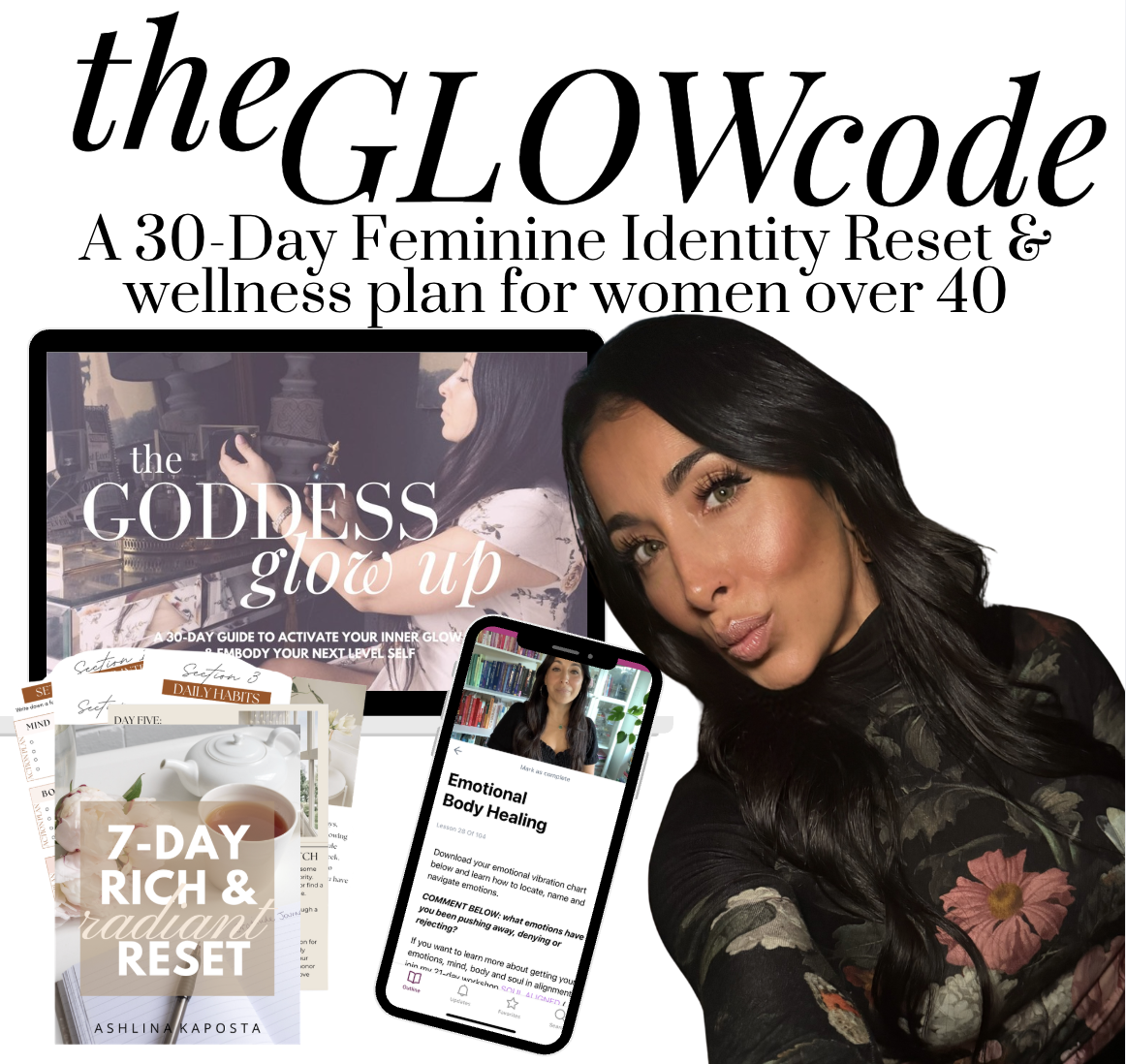
This is genuinely part of what I dig into inside The Glow Code, my course on working with your hormones instead of against them after 40 — walking is one of the simplest tools in there, and it's the one people are always most surprised by.
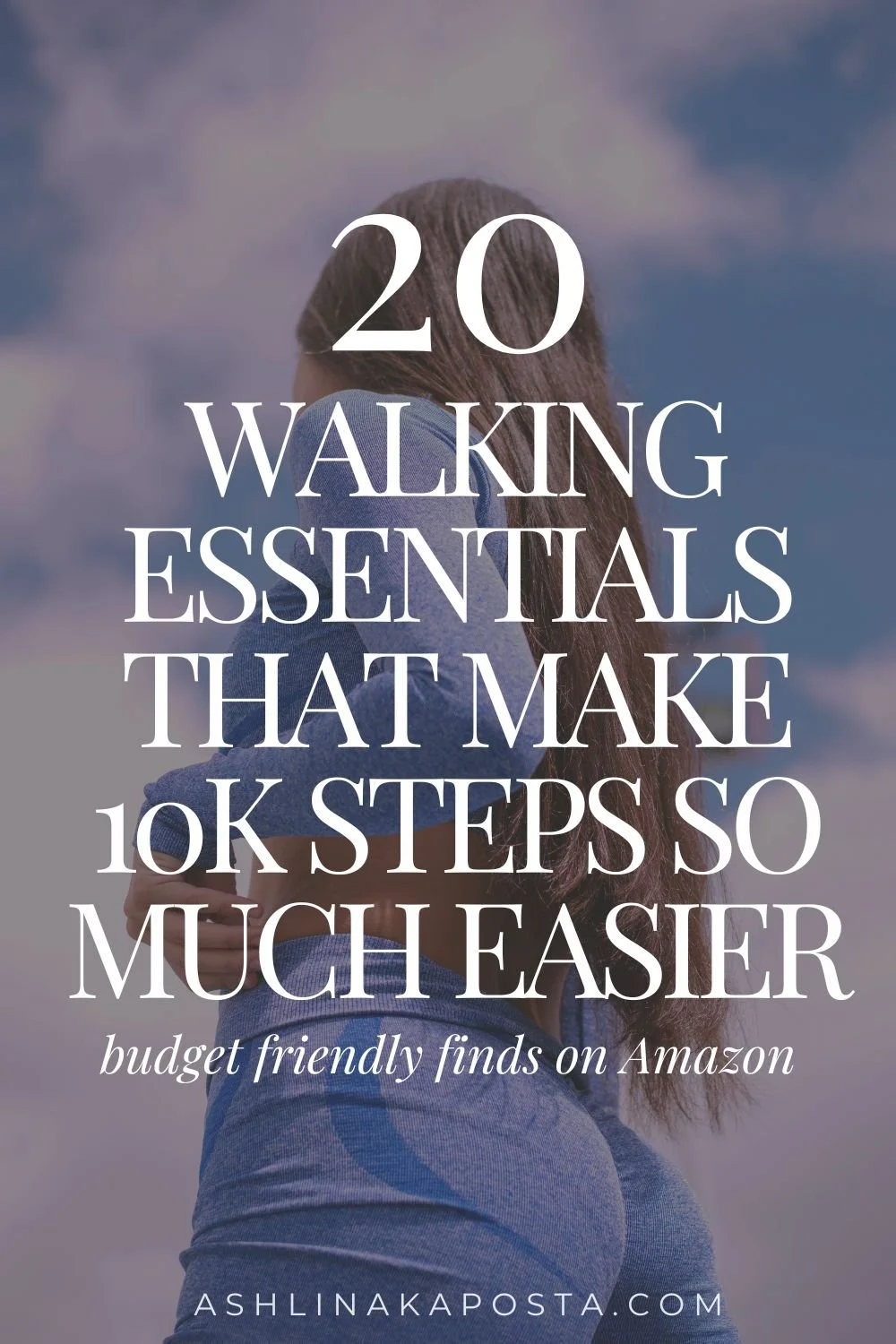
So if you're in the "I know I should walk more" camp, here are the 20 things that actually make hitting 10,000 steps a day feel easy instead of like one more thing on your to-do list — some practical, some a little extra, all worth it.
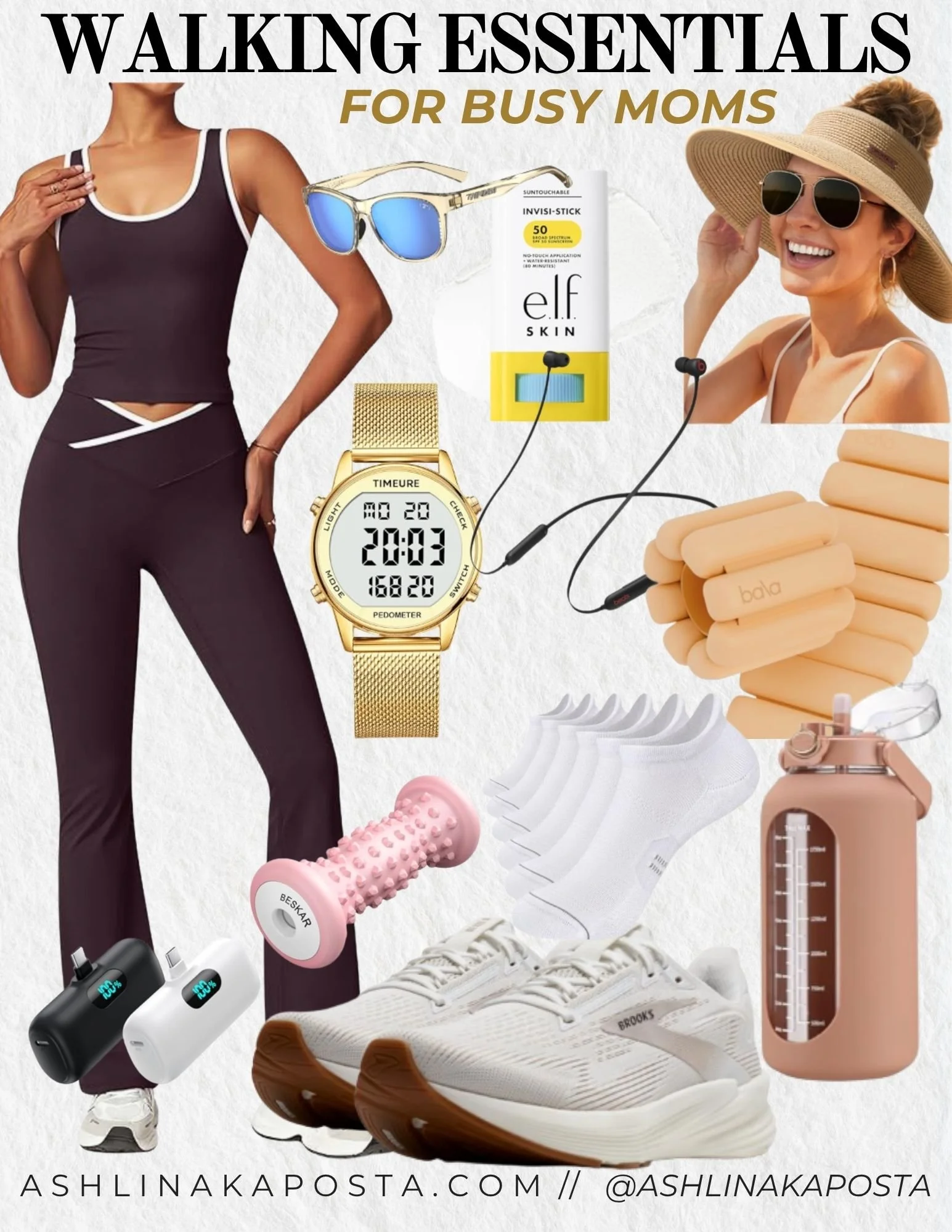
20 Walking essentials that make 10,000 steps so much easier
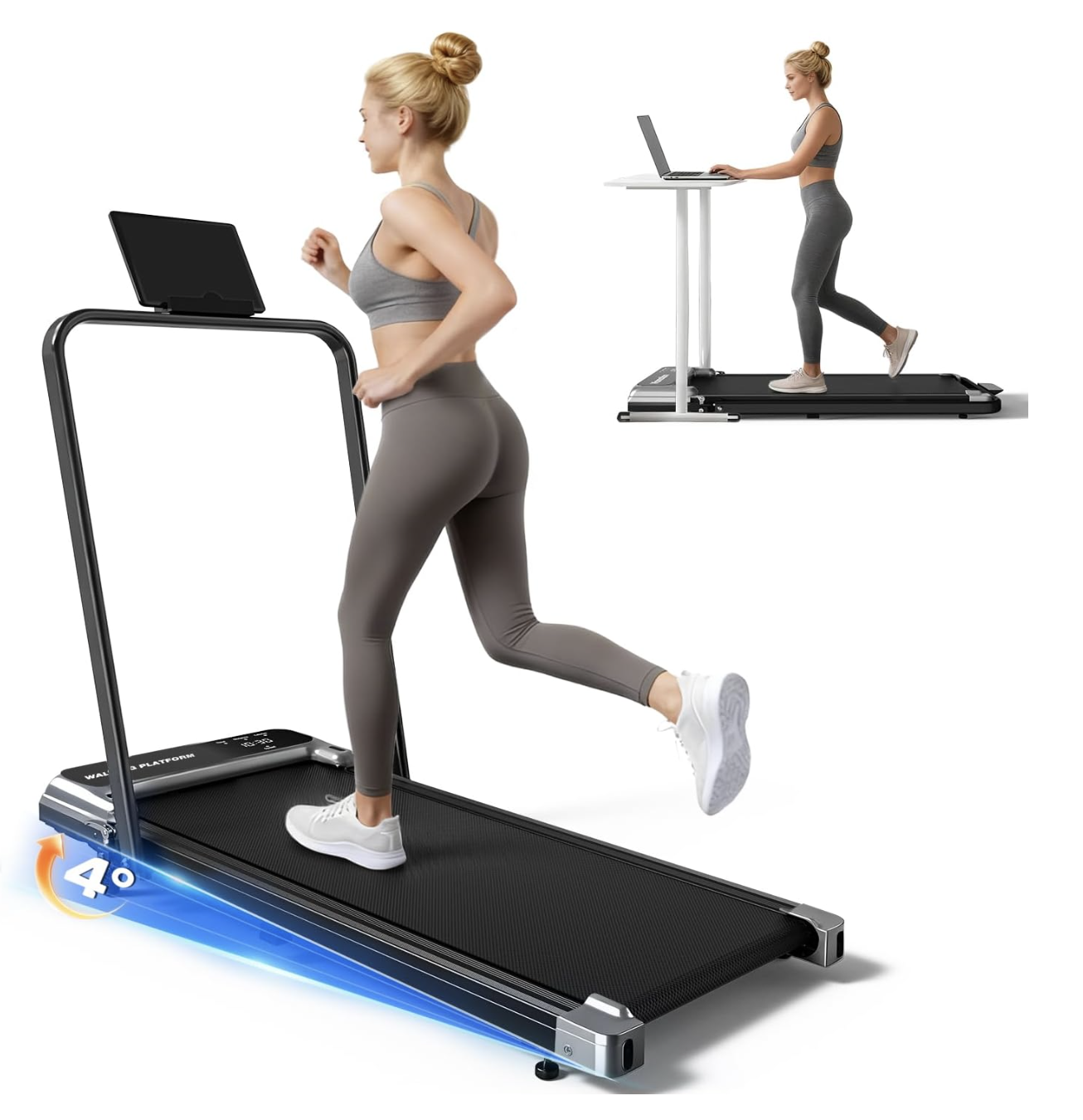
1. A Walking Pad (aka the Under-Desk Treadmill Everyone's Obsessed With)
If you've spent five minutes on TikTok this year, you've seen someone's "walking pad girl era." There's a reason: it slides under your desk, folds flat when you're done, and lets you knock out 3,000–5,000 steps while you're on Zoom calls, watching TV, or scrolling. This was honestly the single biggest game-changer for me once I stopped doing HIIT — I could get a big chunk of my steps in without adding a single extra minute to my day.
Tip: This walking pad doubles as a work space. Keep the speed low (1.5–2.5 mph) if you're using it while working — anything faster and you'll start typing typos into every email.
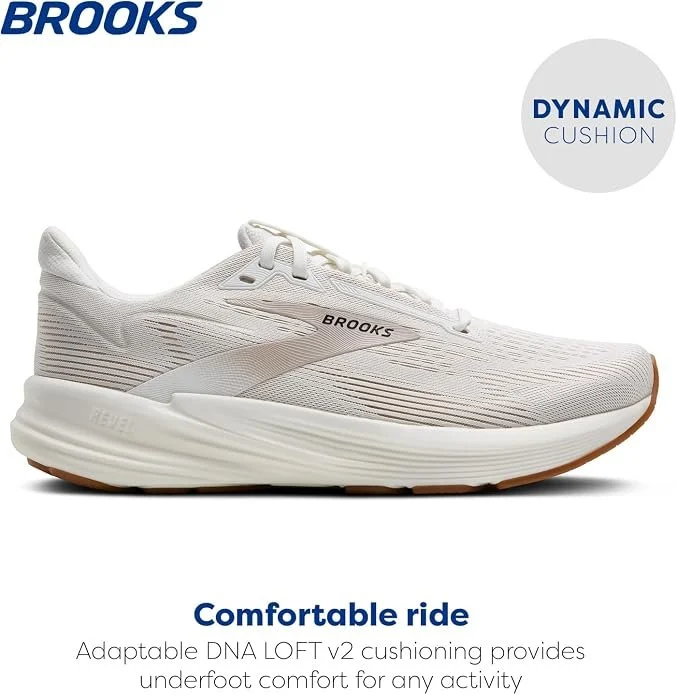
2. Actual Walking Shoes (Not Just Old Sneakers)
Running shoes and walking shoes are not the same thing, and your feet know it by hour two. Walking shoes are built with more rocker in the sole to help you roll through each step, plus cushioning designed for repetitive flat-ground motion rather than impact. I love the Brooks walking shoes the best.
Tip: Go up half a size from your usual sneaker if you'll be walking daily — your feet swell over the course of a long walk, and a snug toe box is blister central.
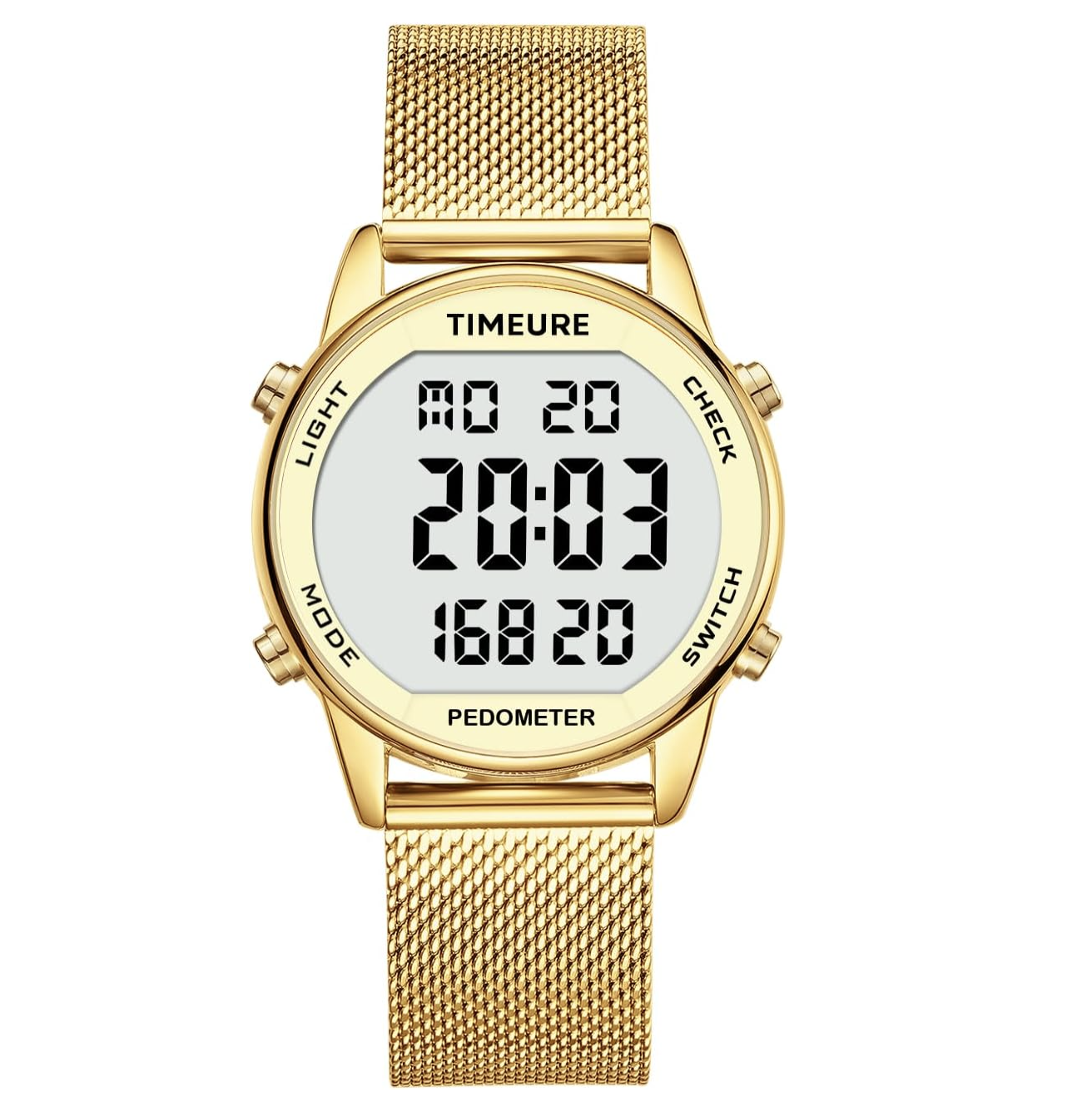
3. A Fitness Tracker That Actually Tracks Steps Accurately
Phones undercount steps if they're in a bag or sitting on a desk. A wrist tracker keeps an honest count and, let's be honest, gives you that little dopamine hit when the ring closes. For me, tracking wasn't about obsessing over numbers — it was about proving to myself that a "gentle" walk was still doing something. This gold watch looks so chic too.
Tip: Look at your resting heart rate trend over a few weeks, not just steps — that's actually the number that told me my cortisol was calming down.
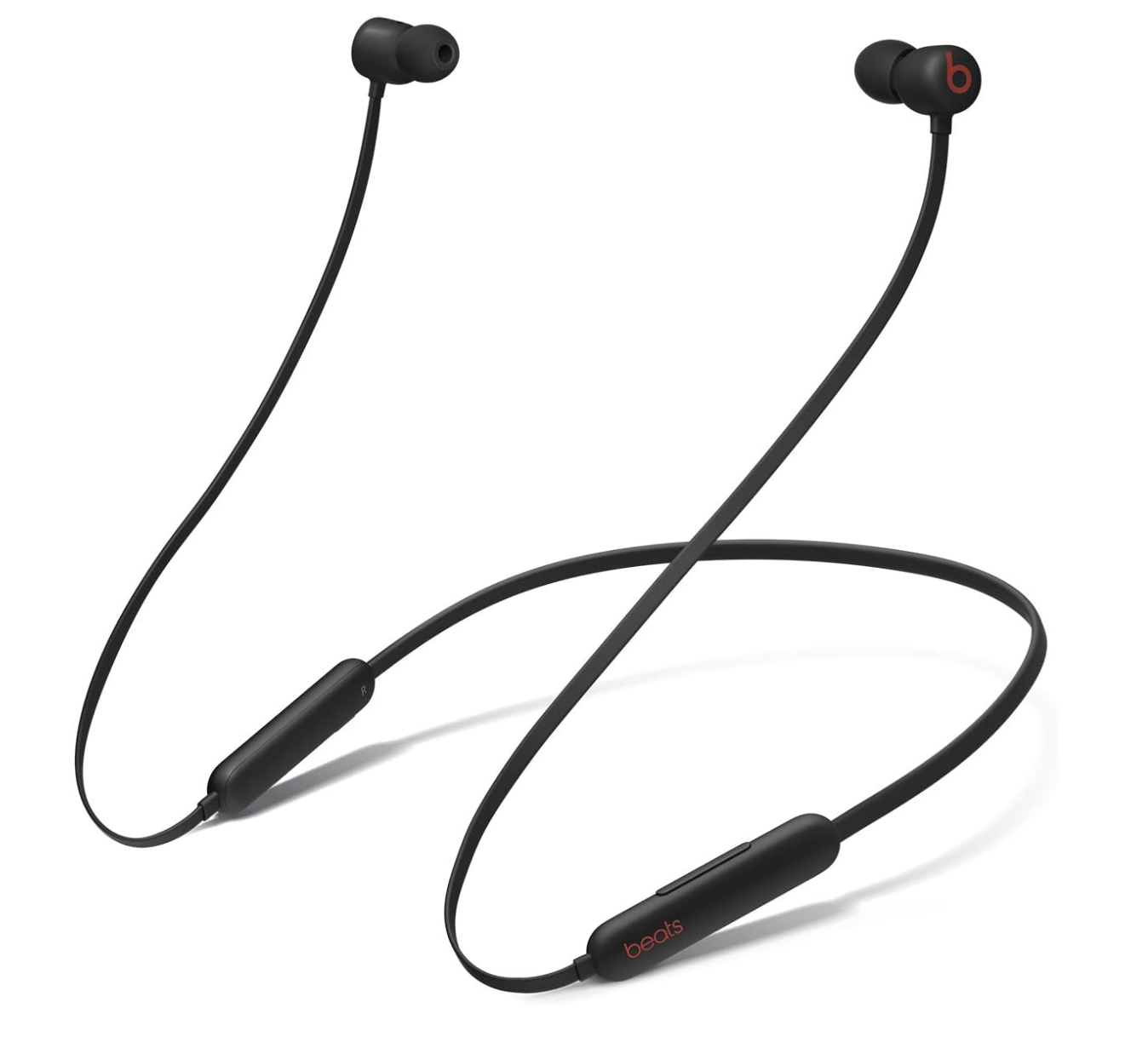
4. Wireless Earbuds You Won't Think About
The secret to a 30-minute walk not feeling like 30 minutes is a good podcast or playlist and earbuds that don't fall out or die halfway through. Sweat-resistant, secure-fit ones like the beats wireless headphones are worth the extra $20 over the cheapest pair.
Tip: Download episodes instead of streaming — nothing kills the mood like buffering mid-walk in a dead zone.
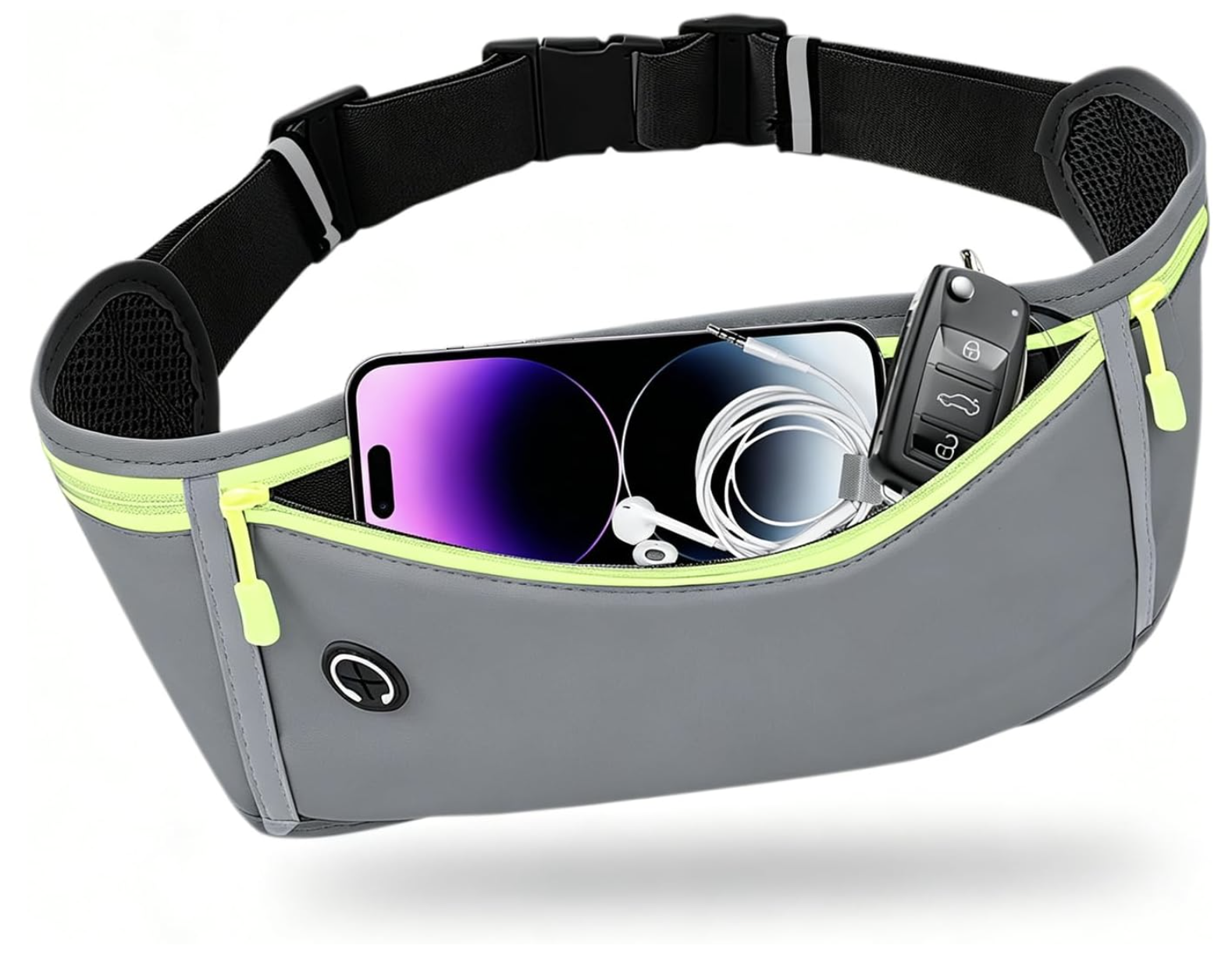
5. A Belt Bag (the Fanny Pack Glow-Up)
Hands-free is non-negotiable once you're actually racking up steps. A lightweight belt bag holds your phone, keys, and lip balm without throwing off your stride the way a shoulder bag does, and it doesn't bounce the way a backpack does on a brisk walk.
Tip: Wear it slightly toward your lower back instead of dead-center front — it distributes weight better and won't dig in when you sit down for a water break.
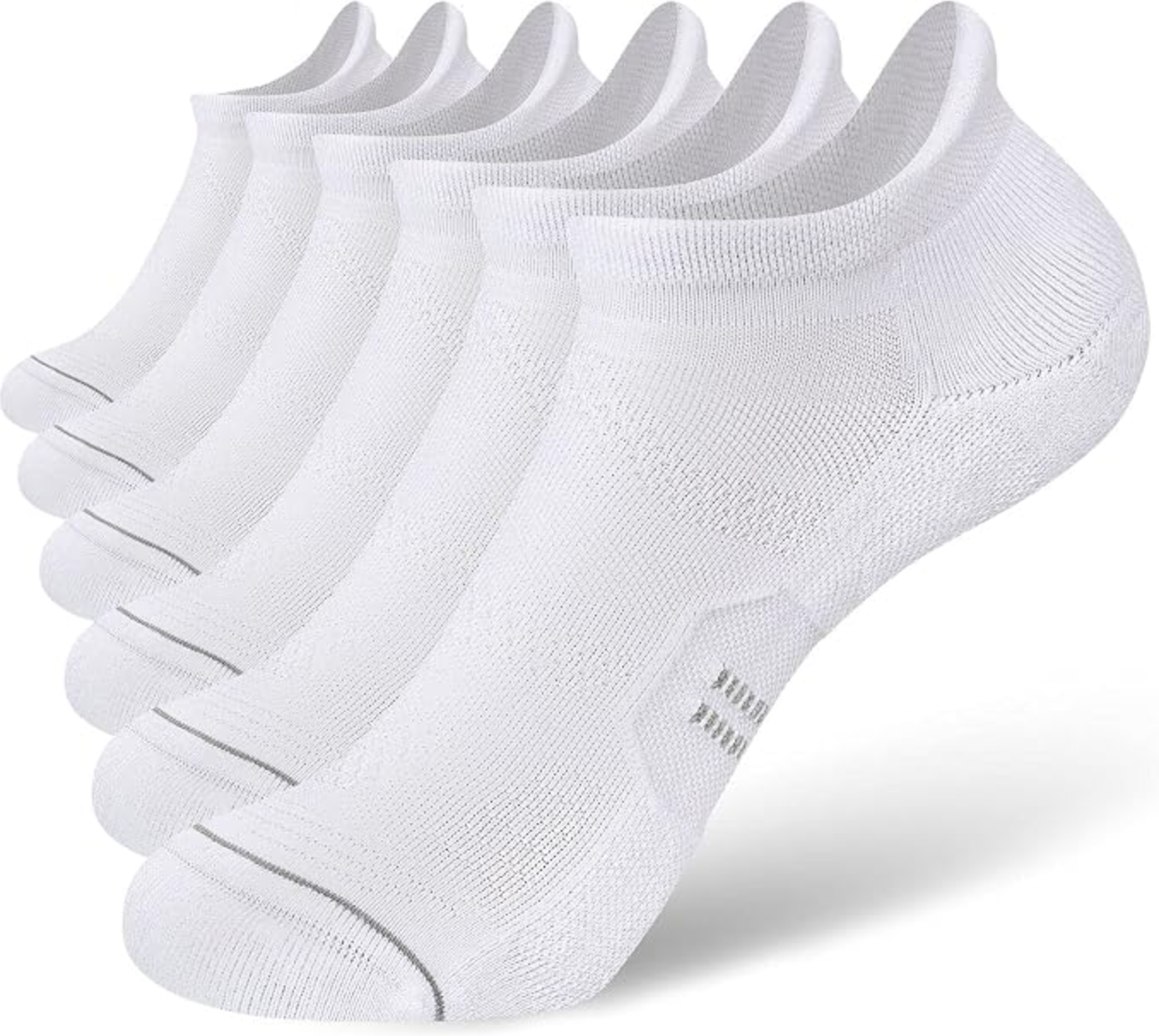
6. Blister-Proof No-Show Socks
Nobody talks about socks until a blister ends their walking streak at day four. Moisture-wicking, seamless socks are the unsexy MVP of this whole list — I genuinely think good socks did more for my consistency than any piece of "equipment" on here.
Tip: Look for ones with reinforced heel and toe panels specifically — that's where most walking blisters actually form.
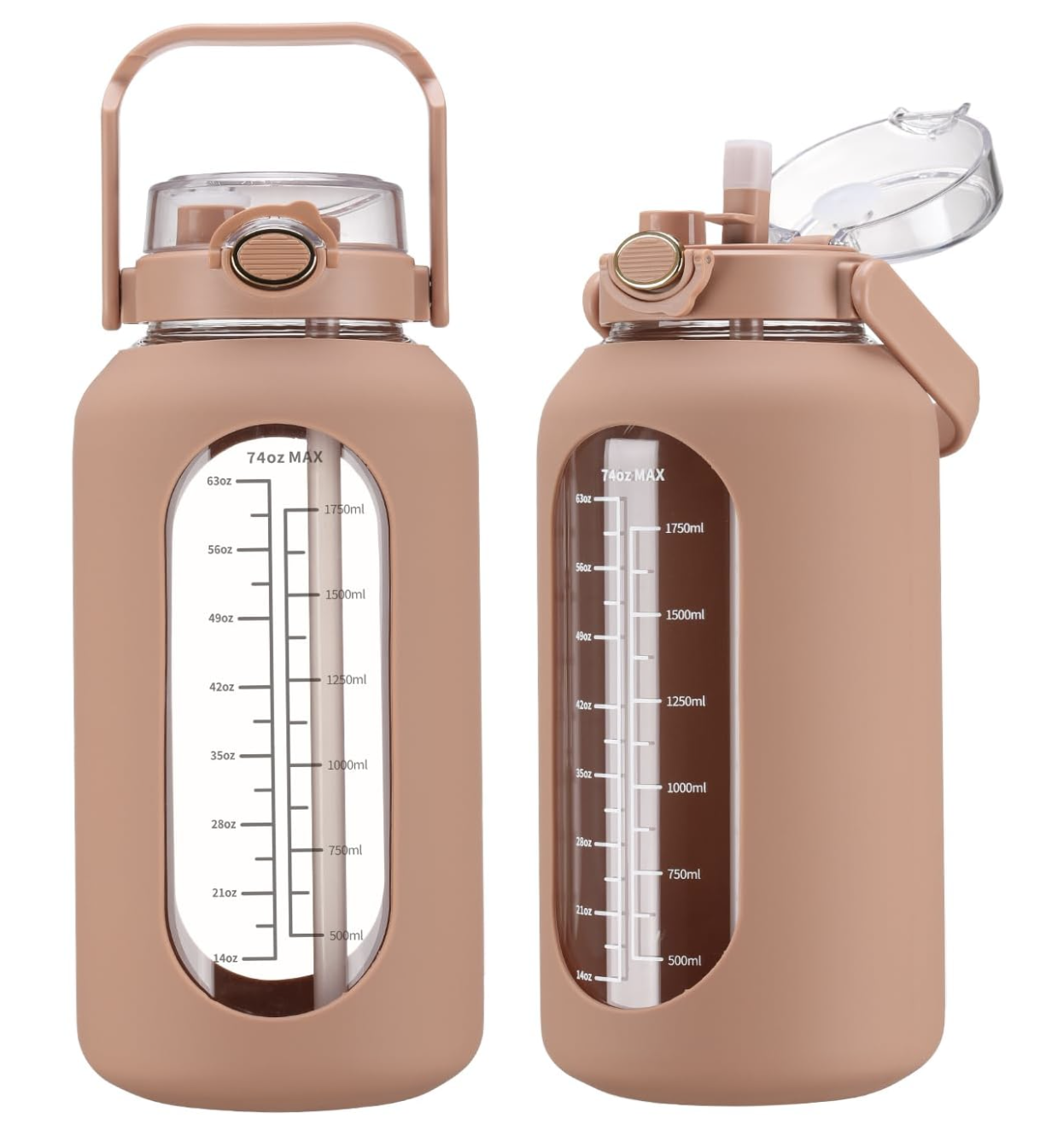
7. A Big, Dumb, Motivating Water Bottle
You know the one. The 40oz kind you'll actually refill because it has a straw and a handle. Hydration matters more than people think on longer walks — being even mildly dehydrated makes a walk feel twice as hard.
Tip: Fill it and set it by the door the night before. Removing the "I have to go find my water bottle" step is 90% of the battle some mornings.
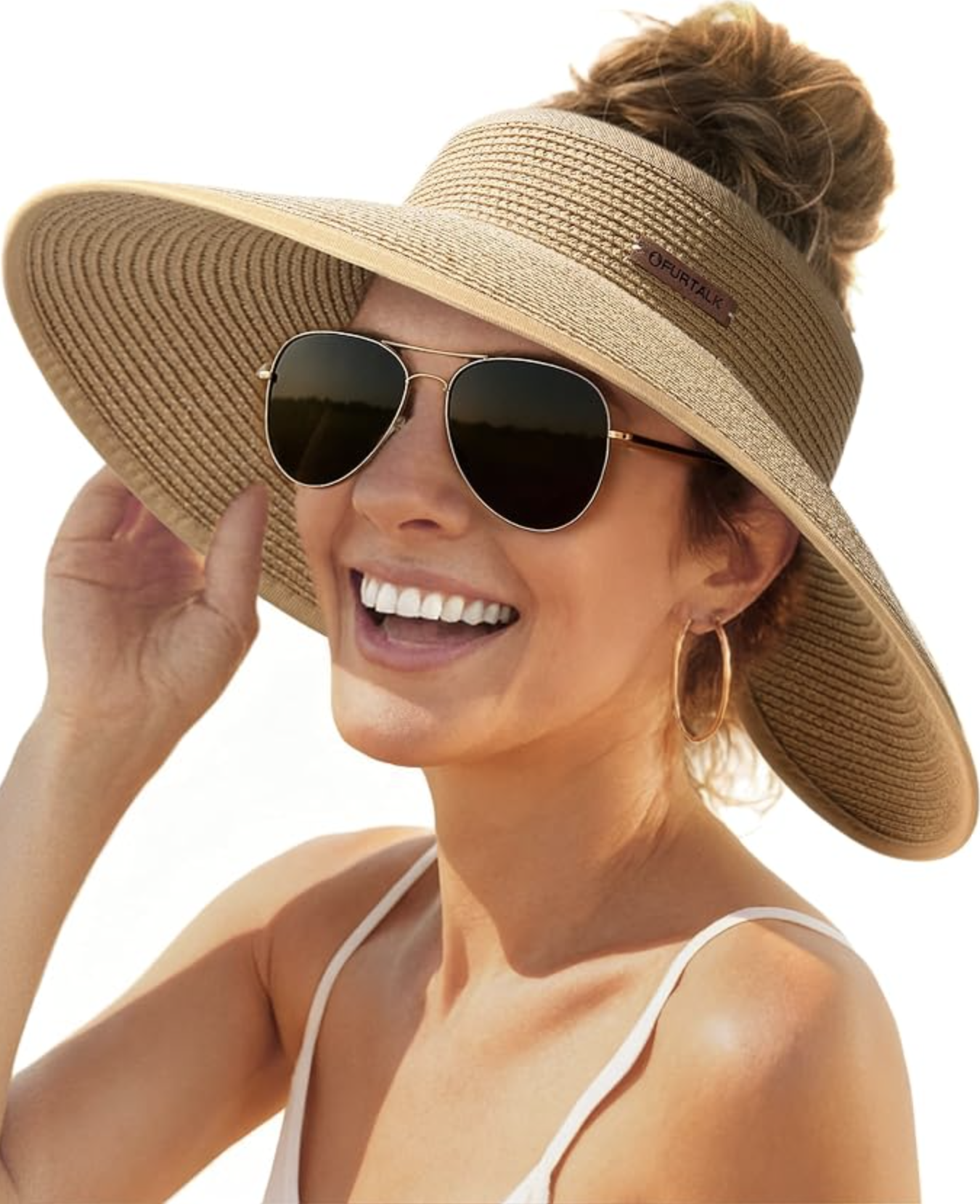
8. A Foldable Sun Hat
You will love this wide brim, packable sun hat, it doesn't look like a gardening hat. Sun protection you'll actually wear is the only sun protection that works — I learned this the hard way after one too many walks that turned into an accidental sunburn.
Tip: Choose one with a chin strap or toggle if you walk anywhere windy — chasing a hat down the block is not the cardio you signed up for.
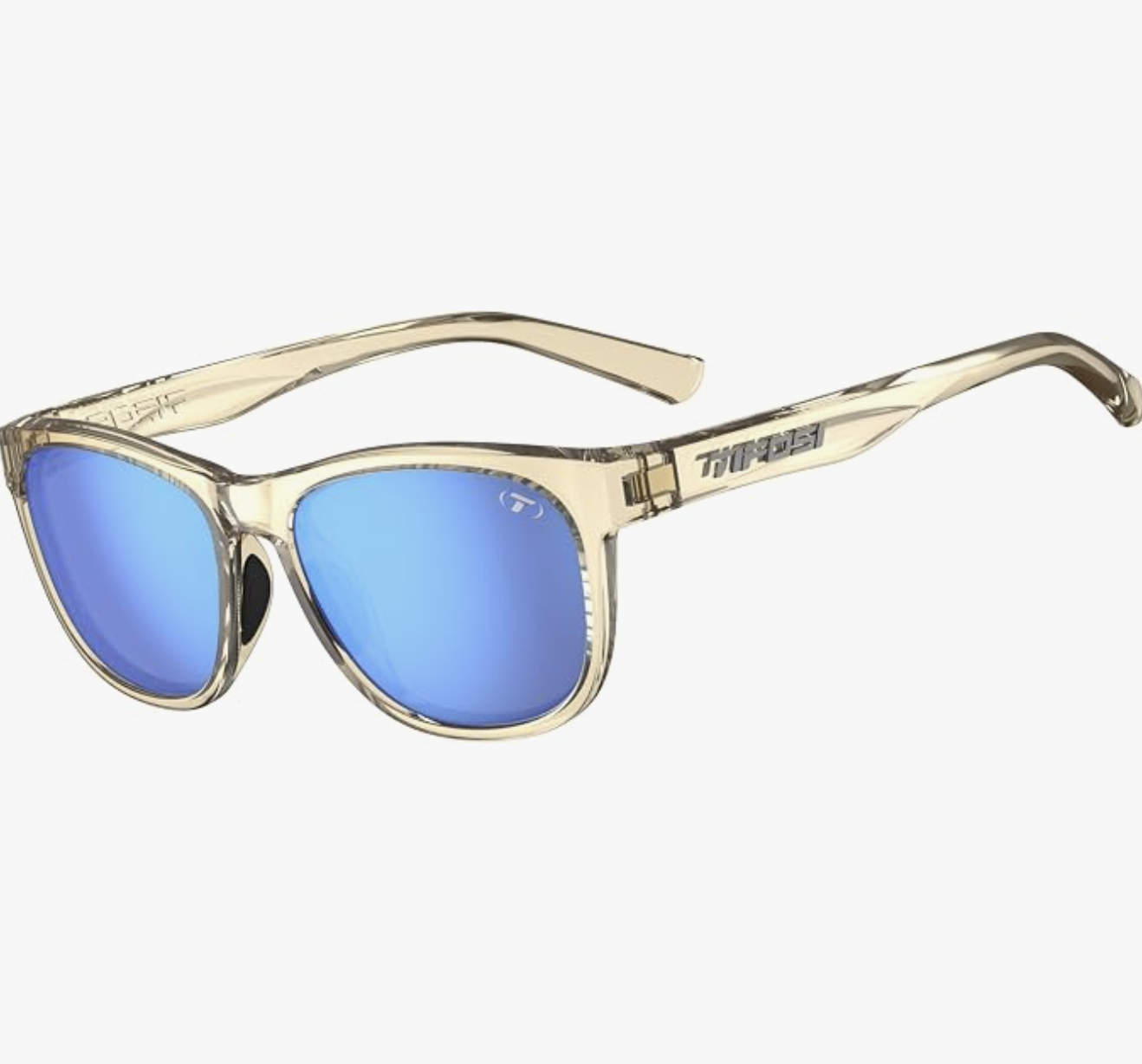
9. Polarized Sunglasses
Cheap ones scratch and warp in a hot car within a month. A durable, polarized pair cuts glare off pavement and windshields and pays for itself in one summer of walks.
Tip: Keep a spare pair in your car and one by the door — you'll actually wear them every time instead of "forgetting" because they're upstairs.
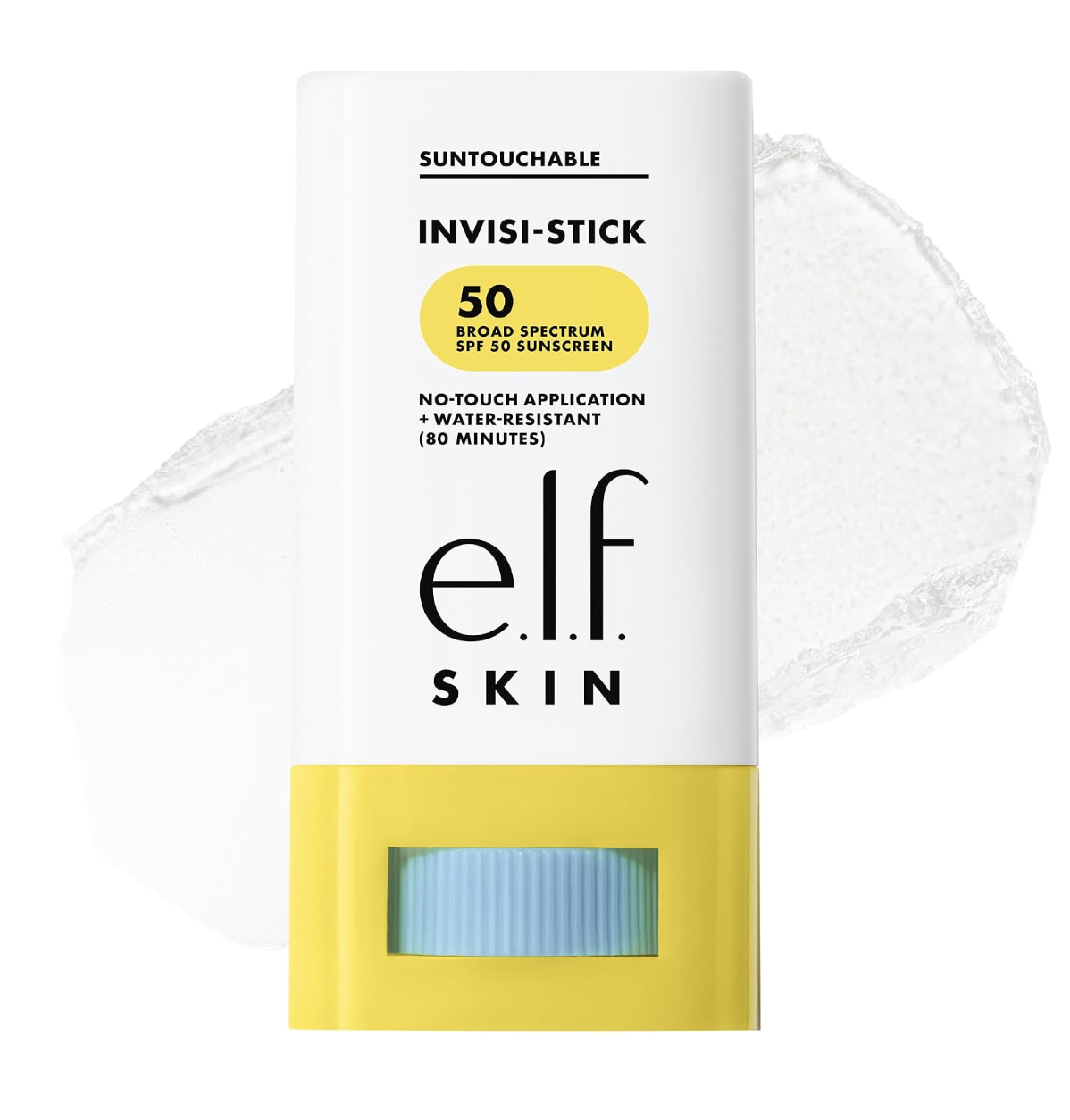
10. SPF Stick for On-the-Go Reapplication
No mess, no lotion hands, fits right in the belt bag from #5. Reapply at the halfway point of a longer walk without breaking stride or getting sunscreen all over your phone screen.
Tip: Stick it in the freezer between uses in summer — a cool SPF stick on your face mid-walk feels incredible.
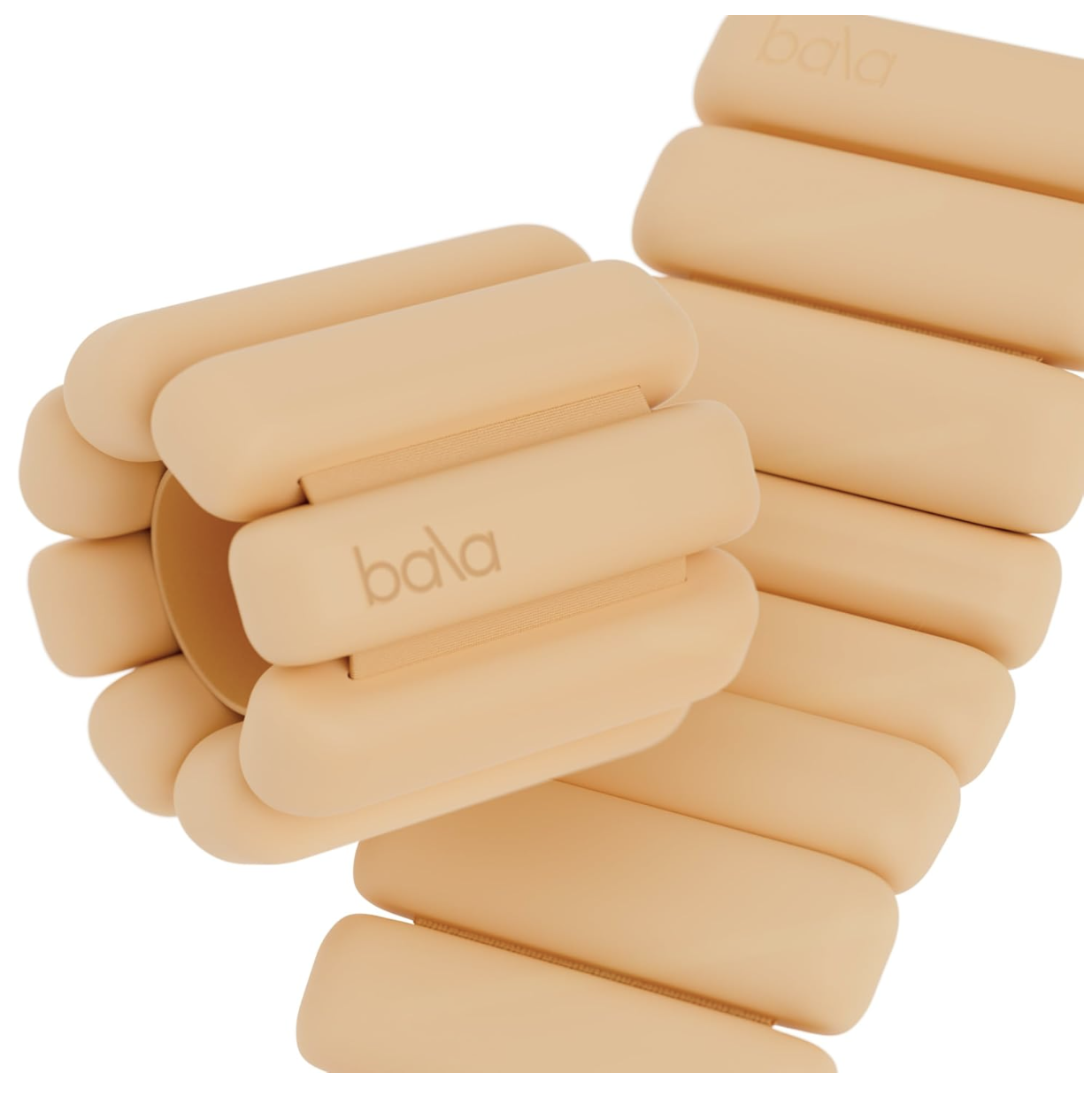
11. Ankle Weights (For When 10K Steps Isn't Enough Anymore)
Once walking starts to feel easy, ankle weights quietly turn a regular walk into a strength walk without spiking your heart rate the way HIIT does. This is exactly the kind of "add gentle resistance, not intensity" move I talk about in The Glow Code — you get stronger without dumping cortisol into your system.
Tip: Start light — 1–2 lbs per ankle is plenty at first. Too heavy too soon can mess with your natural gait and stress your joints.
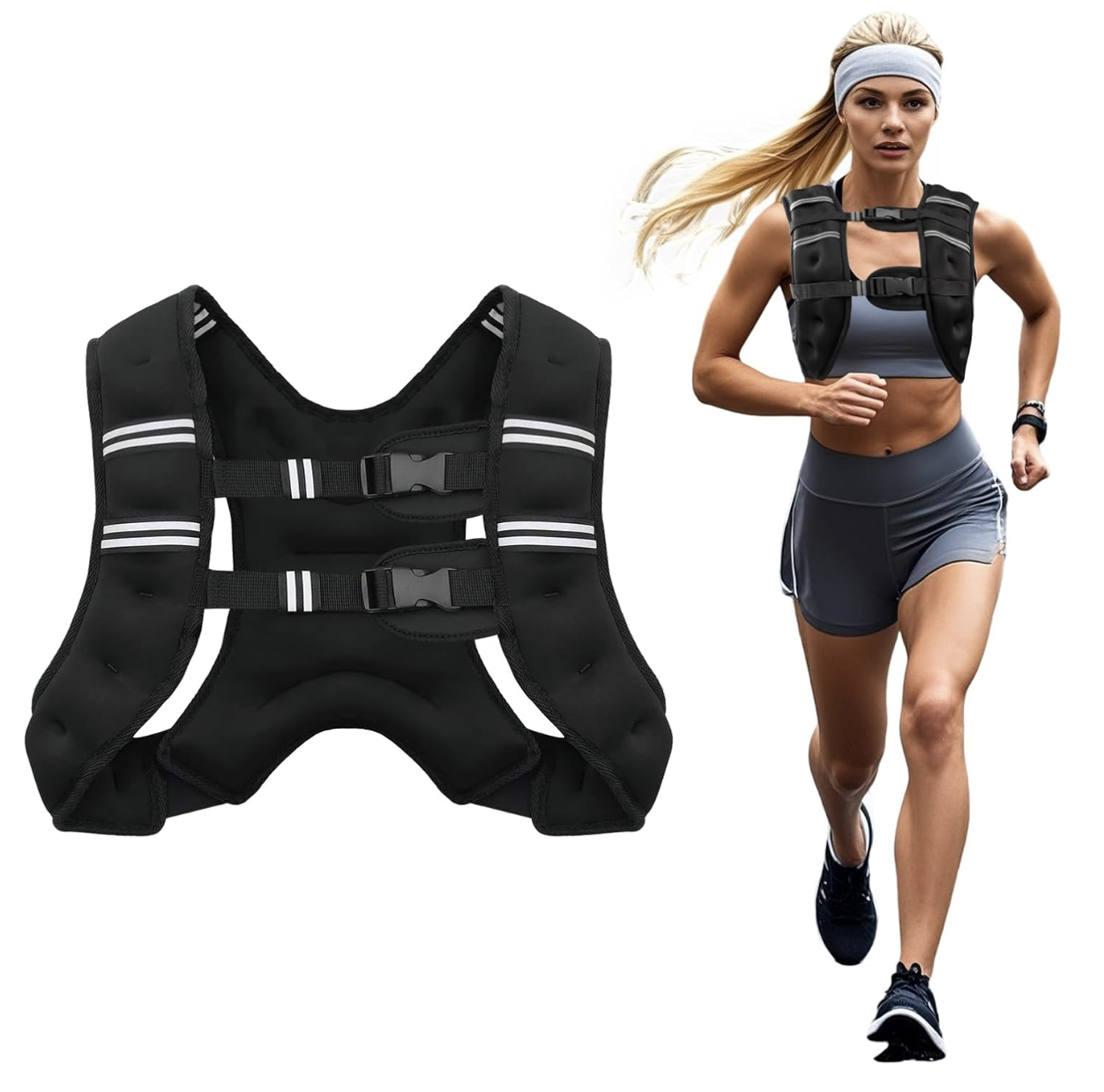
12. A Weighted Vest (Rucking's Having a Moment)
"Rucking" — walking with added weight distributed across your torso — is one of the biggest fitness trends right now, and a vest is a low-effort way to try it without buying a whole backpack setup. Using a walking vest helps increase your strength while keeping the exercise low-impact, which is a big deal after 40.
Tip: Start around 5–10% of your body weight and increase gradually every few weeks as it starts to feel comfortable.
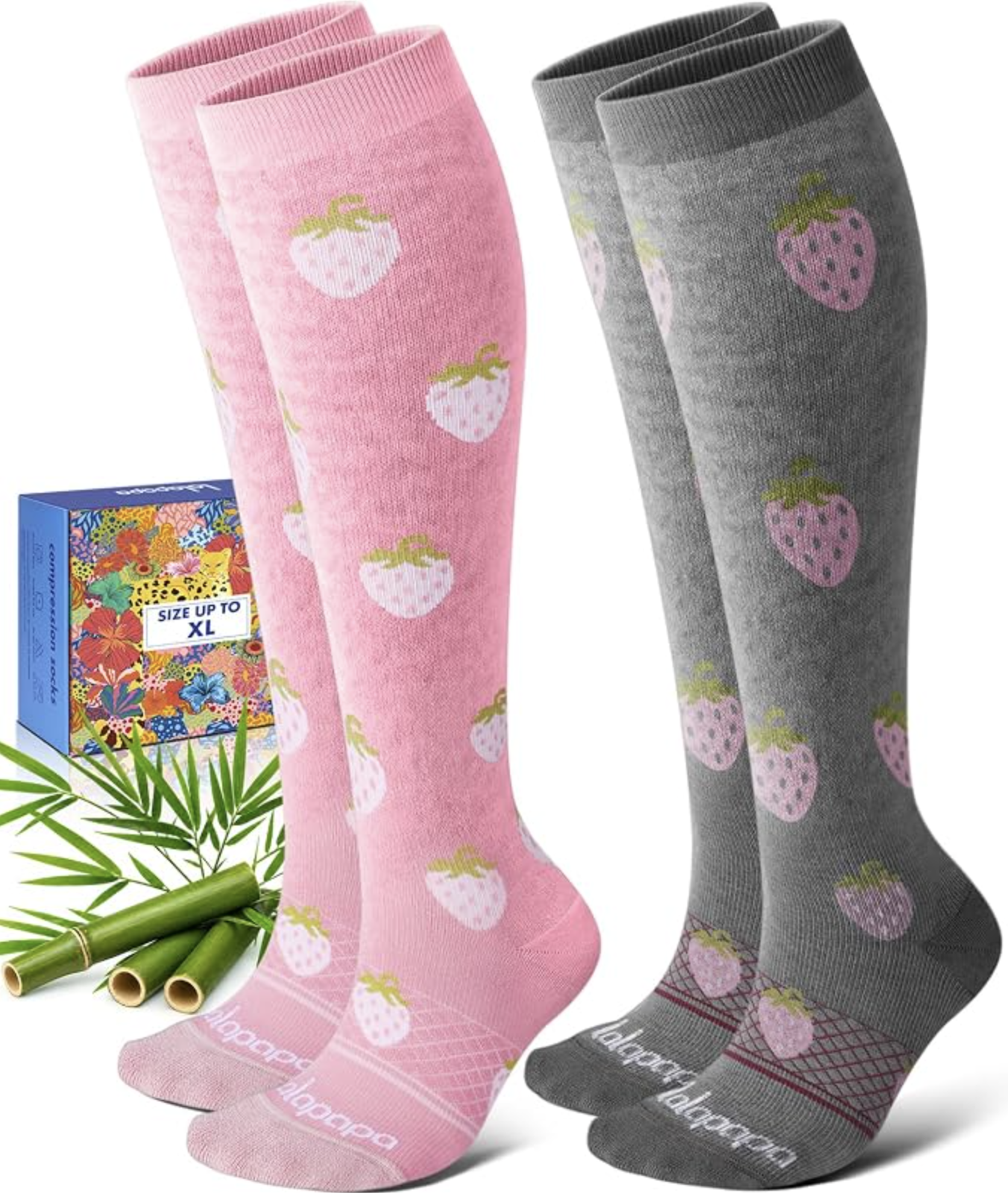
13. Compression Socks for Recovery
If you're stacking up serious mileage, compression socks post-walk help with circulation and next-day soreness, especially if you're on your feet a lot for work too. I started wearing these in the evenings and noticed a real difference in how "heavy" my legs felt by bedtime.
Tip: Put them on right after your walk, not hours later — they work best while your legs are still slightly swollen from activity.
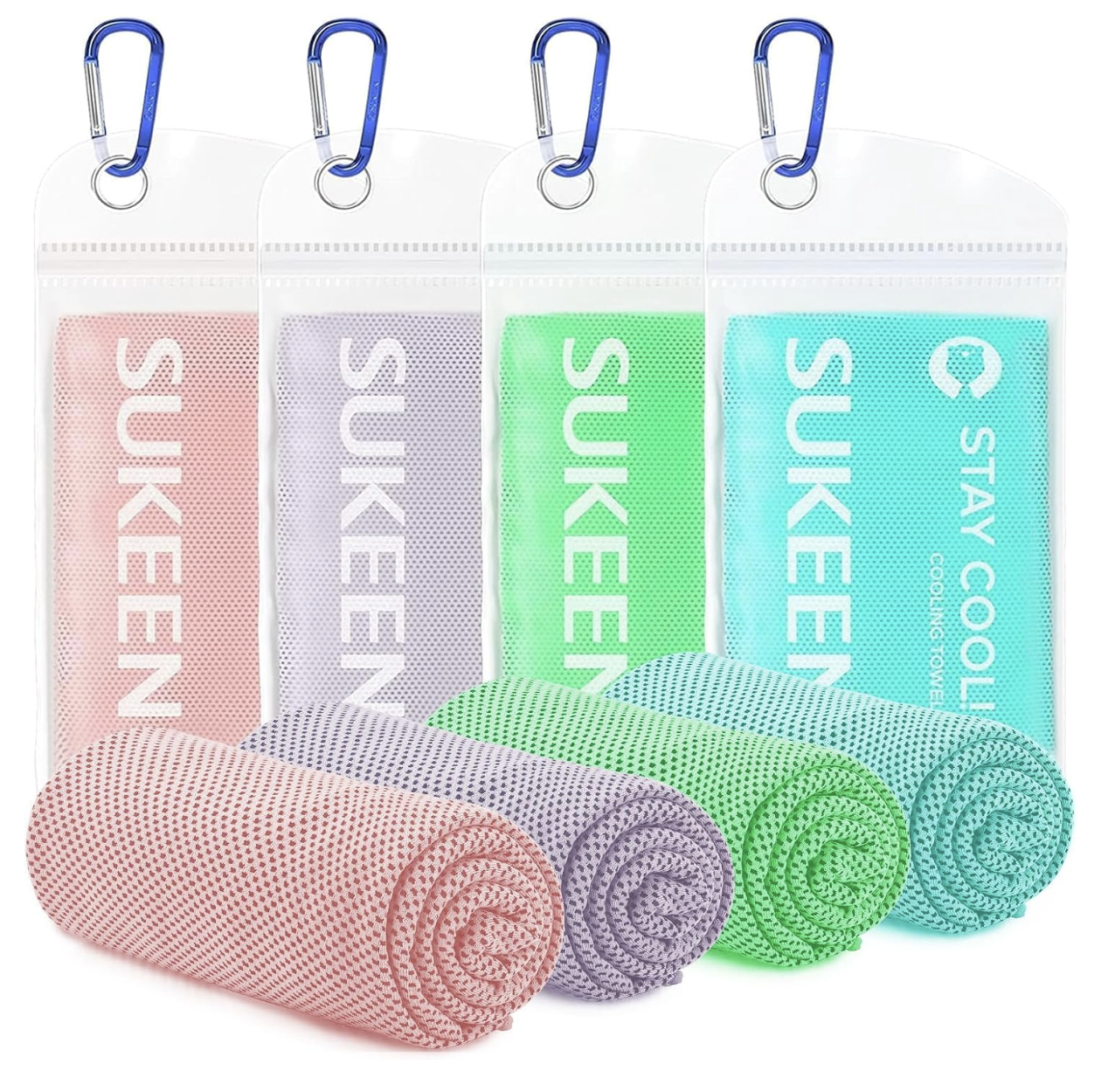
14. A Cooling Towel
Snap it, wet it, wear it around your neck. Genuinely underrated for summer walks or a sweaty walking-pad session — it cools you down almost instantly without needing an ice pack or AC.
Tip: Keep it in a small ziplock bag in the freezer between walks so it's ready to go, ice-cold, every time.
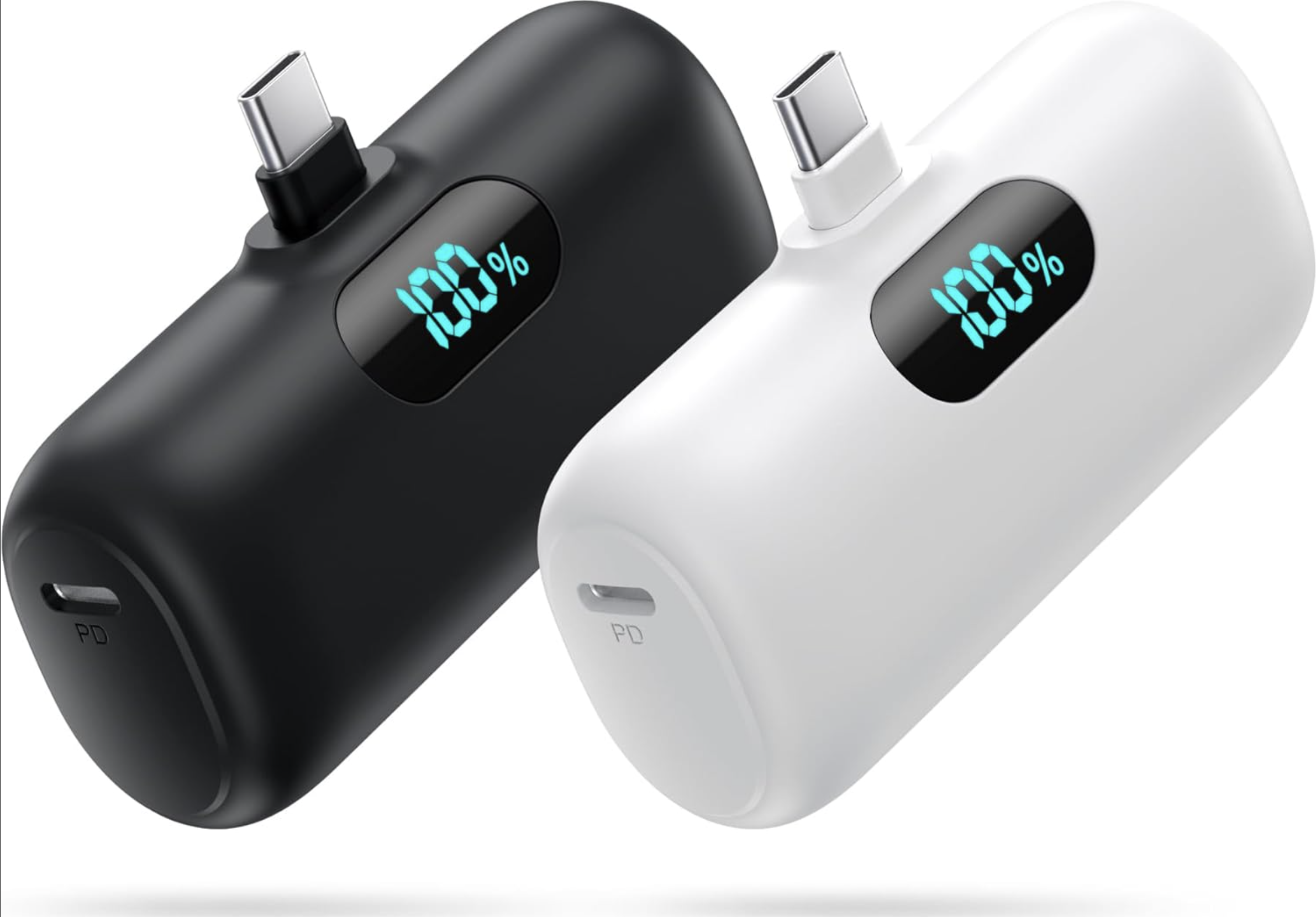
15. A Portable Phone Charger
Nothing kills a long walk (or a podcast binge) like a dead phone at step 6,000, especially if you're using it for navigation, music, or tracking. A small clip-on power bank solves it permanently.
Tip: Get one that clips directly onto your phone case instead of a loose battery pack with a cord — one less thing to fumble with mid-stride.
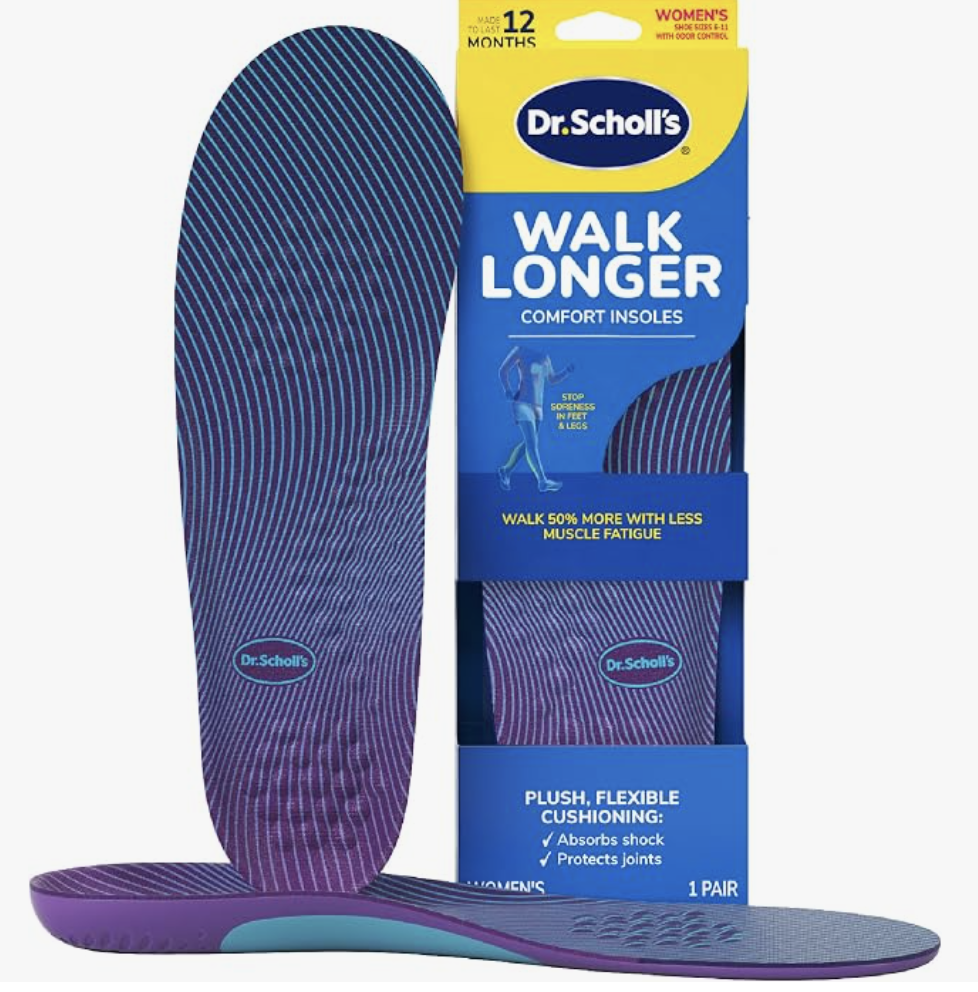
16. Cushioned Insoles
Don't want to invest in new shoes yet? Insoles are the budget hack — drop them into the sneakers you already own for an instant comfort upgrade, especially if you're ramping up your daily mileage faster than your current shoes were built for.
Tip: Replace them every 4–6 months if you're walking daily — cushioning breaks down long before the shoe itself looks worn out.
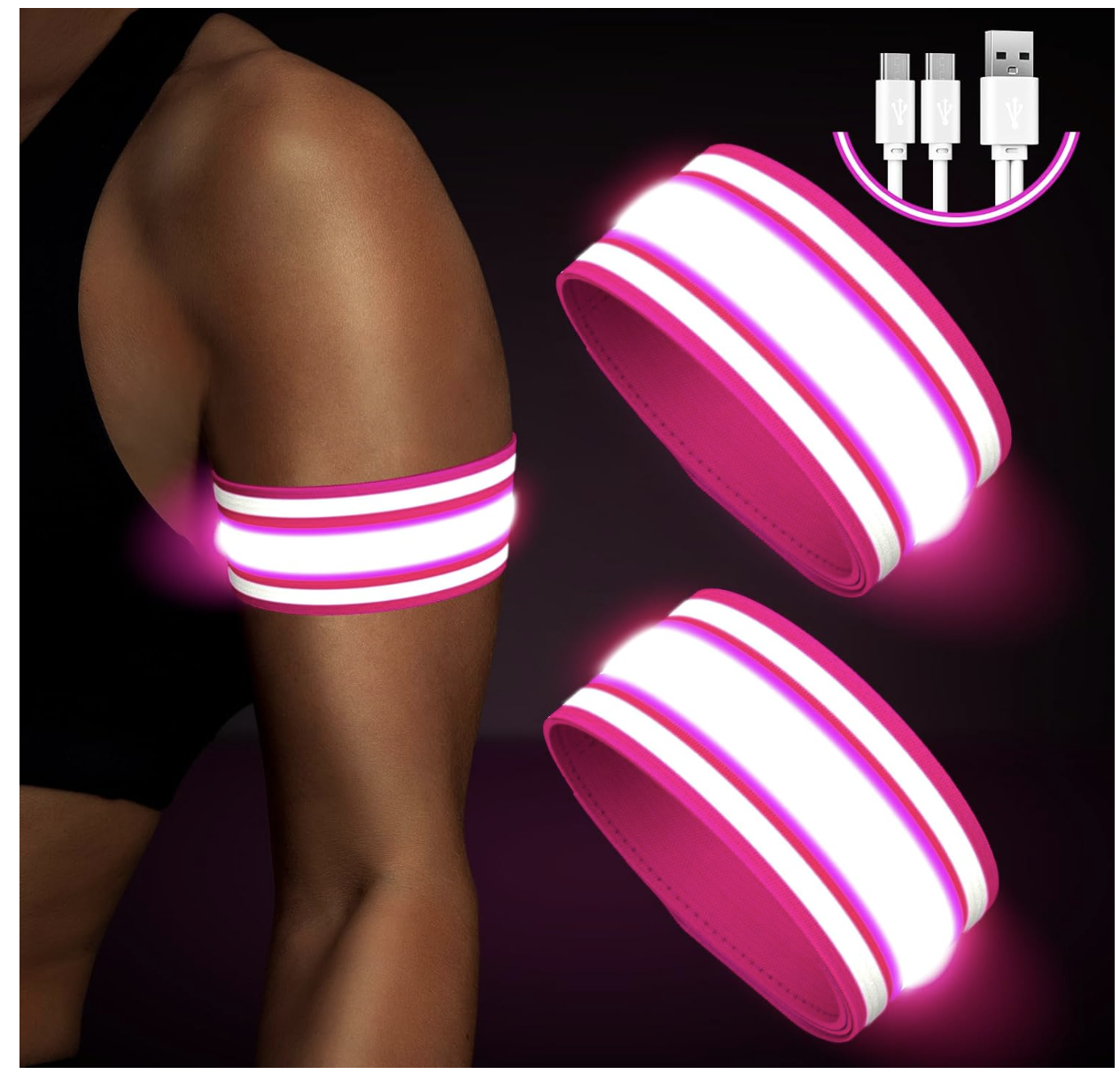
17. A Reflective Vest or Clip-On Lights
If your steps happen before sunrise or after sunset — which, let's be honest, is often the only time that works — visibility gear isn't optional. It's cheap, it's easy, and it's the kind of thing you don't think about until you need it.
Tip: Clip-on lights are less bulky than a full vest and easy to keep in your belt bag so you never "forget" them on a spontaneous evening walk.
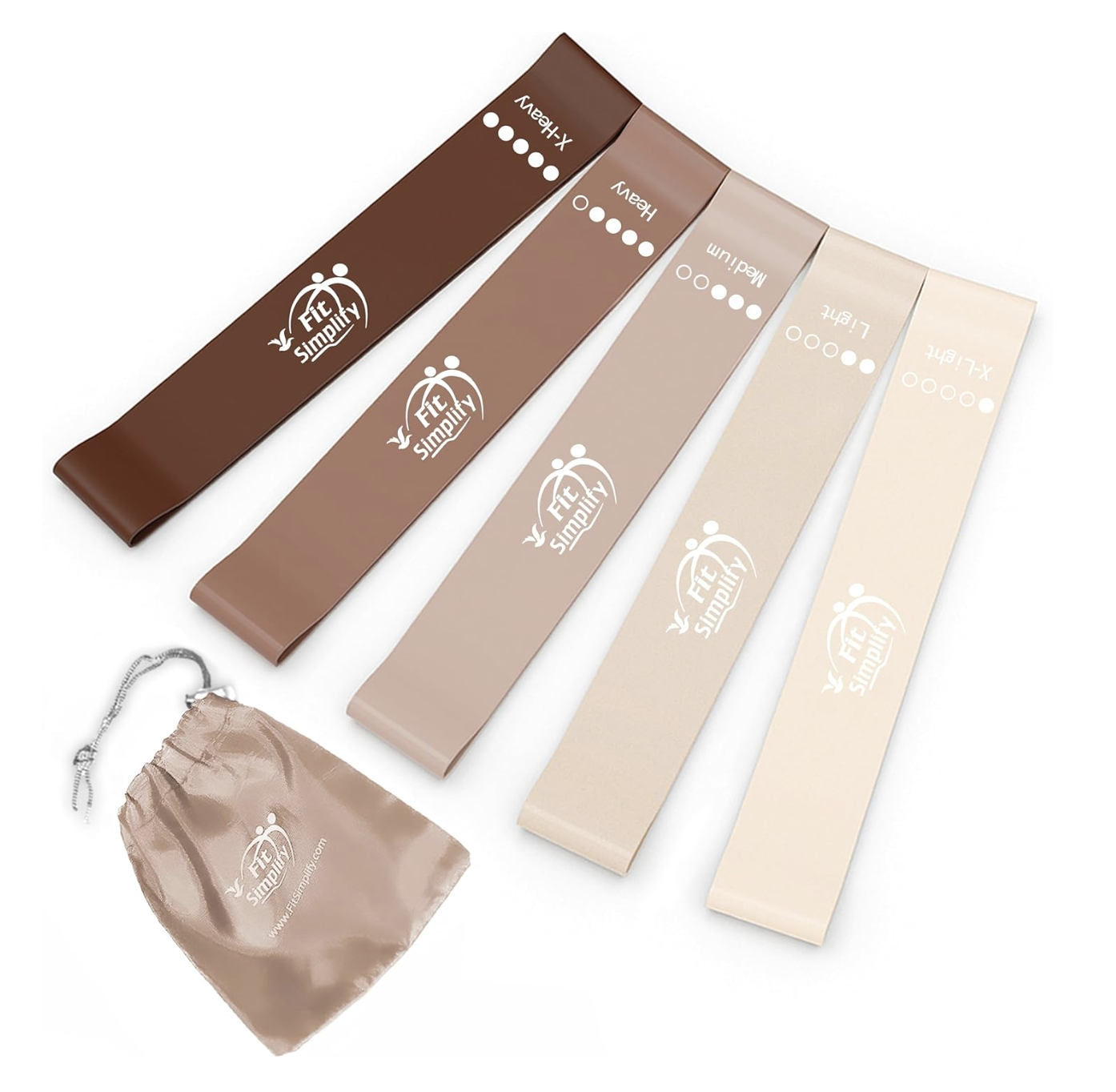
18. Resistance Loop Bands for Walking Warm-Ups
Two minutes of banded glute work before you walk changes your whole stride and helps "wake up" muscles that tend to go dormant if you sit at a desk all day. Small, packable, no excuse not to.
Tip: A few lateral band walks in your kitchen before you even leave the house makes a noticeable difference in how your hips feel by the end of a long walk.
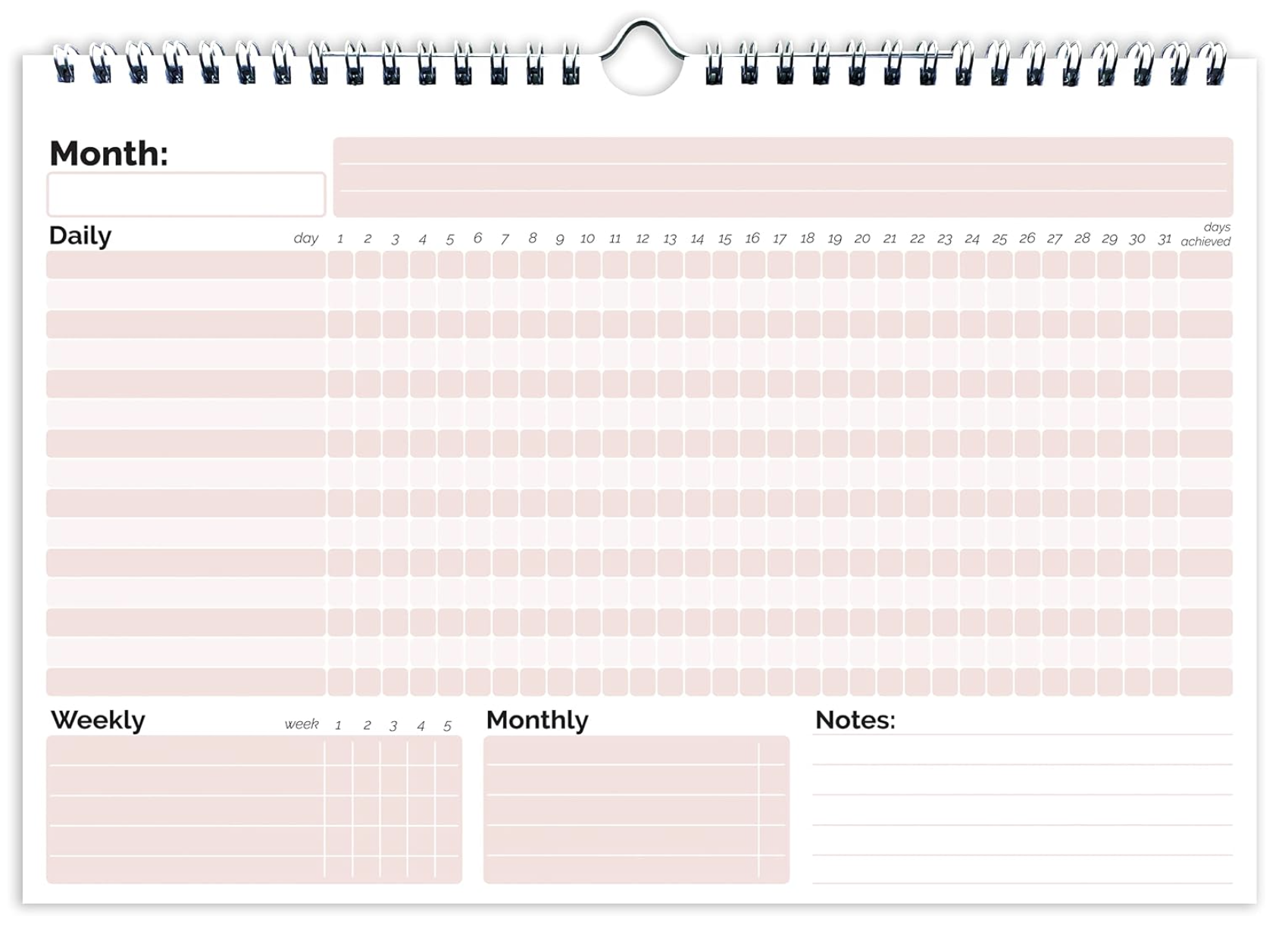
19. A Walking Journal / Habit Tracker
Half the battle with 10K steps is consistency, not fitness. A simple paper habit tracker makes the streak visible — and satisfying to fill in — the same way I encourage tracking small wins inside The Glow Code instead of fixating on the scale.
Tip: Track how you feel after each walk, not just steps or distance. That's the data that actually kept me motivated long-term.
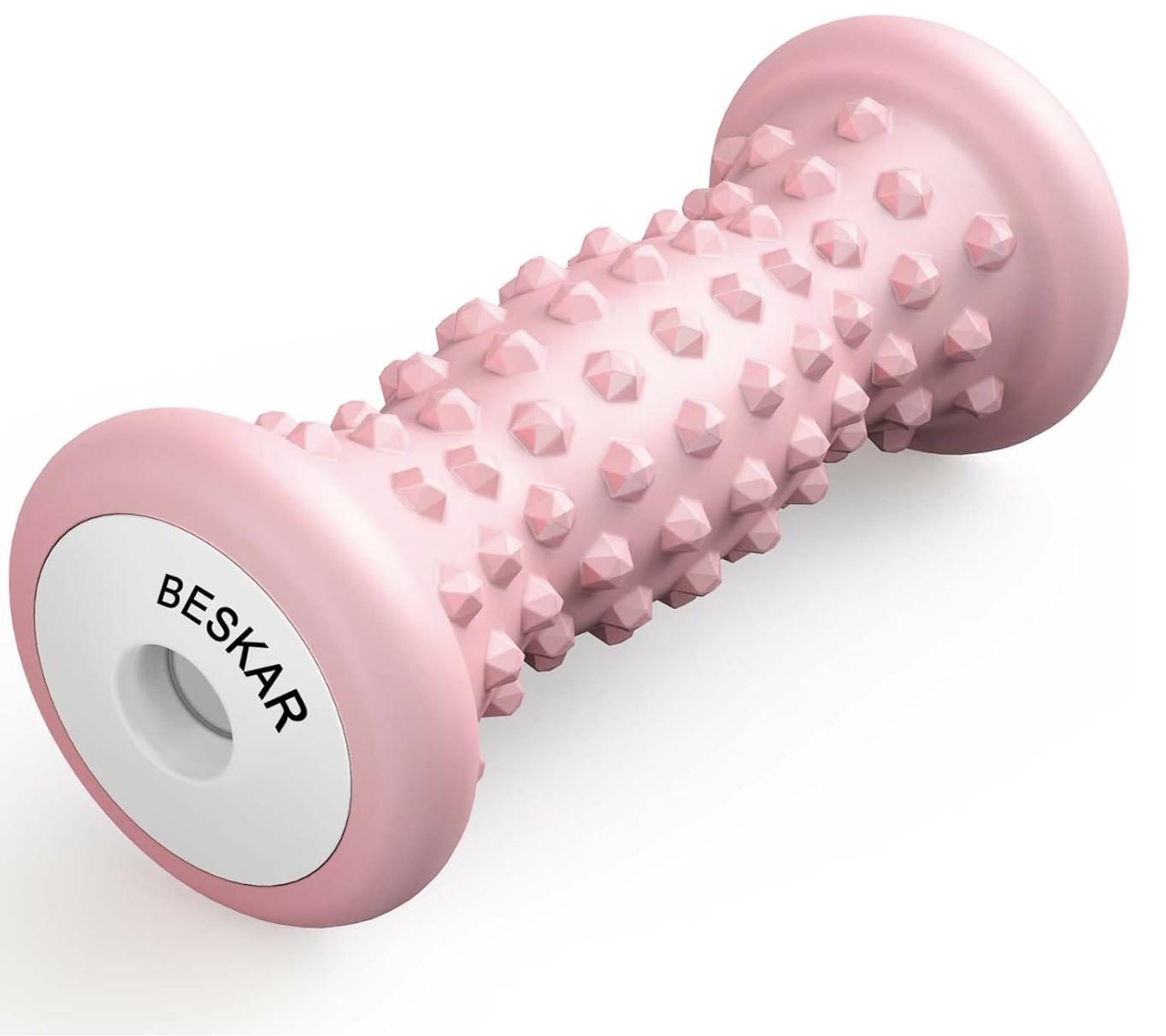
20. A Foam Roller for Your Feet and Calves
Five minutes rolling out your calves and the arches of your feet after a big step day prevents the tightness that makes people quit in week two — recovery is just as important as the walk itself.
Tip: Roll your feet over it while sitting at your desk in the afternoon — it doubles as a mini reset when you're feeling stiff from sitting.
More Amazon Walking Finds Worth a Look
FAQ
Do I really need a walking pad to hit 10,000 steps a day? No — but if your schedule doesn't leave room for a dedicated outdoor walk, a walking pad is the single easiest way to close the gap while you work, watch TV, or take calls.
How many steps a day is actually healthy, not just trendy? Research suggests benefits start well below 10,000 — some studies put meaningful reductions in health risk at around 7,000–8,000 steps a day. 10,000 is a great goal, but it's a round marketing number, not a hard medical requirement, so don't stress if you land a little under it.
Can walking really replace high-intensity workouts after 40? For a lot of women, yes — at least partially. Chronic high-intensity exercise can keep cortisol elevated, especially during hormonal shifts in your late 30s and 40s, and that can work against weight loss and recovery. Walking is low-impact enough to do daily without that constant stress spike, which is exactly why it worked so well for me. This is a big piece of what I cover in The Glow Code, if you want to go deeper on the hormone side of it.
What's the one item on this list I should buy first? Shoes. Everything else is a nice-to-have; the wrong shoes will end your habit in a week from blisters or foot pain.
Do walking pads work if I have a small apartment? Yes — most fold flat and slide under a bed or couch when you're done, which is exactly why they've taken off on TikTok among renters and small-space dwellers.
Is rucking (walking with weight) safe for beginners? Start light. A 5–10 lb vest or 1–2 lb ankle weights is plenty when you're new — you can always add weight as your normal walking pace starts to feel too easy.
Walking Queen
I spent years thinking I had to earn my results through exhaustion, and it took hitting 40 to learn that wasn't true — for my body, less intensity and more consistency was the actual answer. Walking gave me my goal weight, better sleep, and a workout I don't dread, and I don't think that story is unique to me. You don't need a total lifestyle overhaul to hit 10,000 steps — you need a few smart tools that remove the friction between you and the front door (or the walking pad under your desk), and a little patience with a process that works quietly instead of dramatically.
If you want the fuller picture of how I rebuilt my routine around my hormones instead of against them, that's exactly what I walk through inside The Glow Code.
Which one of these are you adding to cart first? Let me know in the comments!
You may also like:
🌹 10 healthy habits that aren’t actually healthy
🌹 12 Mediterranean diet lifestyle habits to help you glow up
🌹 10 morning habits to help start your day with clarity + intention
🌹 12 feminine energy books every woman should read
🌹 44 things to do on a Sunday to start your week off right
Please feel free to email me at ashlina@thedecorista.com if you have any questions! I’m always happy to help with decorating, life advice or even picking out a specific perfume! Have an amazing day!!
Also, check out my Amazon shop HERE to shop all my favorite things, tips and tricks. You can also download the free LIKETOKNOW.IT app and follow me HERE.
STAY IN THE KNOW: Don’t forget to sign up for my exclusive Love Letters for STYLE TIPS, LIFE ADVICE, COSMIC TEA, AND MUCH MORE!
As always, thank you so much for stopping by today, I truly appreciate all of you! xo, Ashlina
FOLLOW ALONG: Instagram | Pinterest | Shop Amazon | You Tube