There’s something incredibly satisfying about stepping outside and clipping fresh herbs for dinner.
A small herb garden is one of the simplest ways to elevate your home life. Not only does it make cooking more flavorful and beautiful, but it also creates a calming ritual—watering your plants in the morning, breathing in the scent of basil and rosemary, and reconnecting with nature for just a few quiet minutes.
The best part? Starting an herb garden at home is surprisingly easy. You don’t need a large backyard, professional gardening skills, or even a lot of time. A sunny windowsill, balcony, or small patio corner is often all it takes.
In this guide, I’m sharing everything you need to know about how to start an herb garden at home—from choosing the best herbs to grow to simple design ideas that will inspire you to create a garden that feels both practical and beautiful.
Whether you’re planting herbs in your kitchen, on your patio, or in a charming outdoor container garden, these tips will help you grow a little piece of everyday luxury right at home.
Why Every Home Should Have an Herb Garden
Starting an herb garden is about more than just cooking. It’s about creating a lifestyle that feels slower, more intentional, and more connected to nature.
Here are just a few reasons why growing herbs at home is so rewarding:
Fresh herbs make everyday cooking better
Fresh herbs instantly elevate meals. A simple pasta, salad, or roasted vegetable dish can feel restaurant-quality when topped with freshly cut basil, thyme, or parsley.
Herb gardens are beginner-friendly
Many herbs are incredibly forgiving. Basil, mint, chives, oregano, and rosemary grow quickly and don’t require advanced gardening skills.
They save money
Buying fresh herbs at the grocery store every week adds up quickly. Growing your own herbs means you always have them on hand without constantly repurchasing them.
Herbs make your home smell amazing
Lavender, rosemary, mint, and sage naturally add beautiful fragrance to your outdoor or indoor spaces.
Gardening reduces stress
Spending even a few minutes tending to plants has been shown to calm the nervous system and improve mood. It’s one of the simplest rituals you can incorporate into your day.
Related Reading: 21 gorgeous small backyard garden ideas

How to Start an Herb Garden at Home (Step-by-Step)
If you’re new to gardening, don’t worry—herb gardens are one of the easiest places to start.
1. Choose the Right Location
Most herbs thrive in sunlight, so choosing the right location is the most important step.
Ideally, herbs need:
6–8 hours of sunlight daily
good airflow
well-draining soil
Great places to grow herbs include:
kitchen windowsills
patios or balconies
backyard garden beds
porch planters
railing planters
If your home doesn’t get strong sunlight, you can also grow herbs indoors using a small grow light.
2. Start with Easy Herbs
Some herbs are far easier to grow than others. If you’re just getting started, focus on herbs that are naturally resilient.
Best herbs for beginners
Basil
Mint
Rosemary
Thyme
Oregano
Chives
Parsley
Sage
These herbs grow quickly and are commonly used in everyday cooking.
3. Decide Between Pots, Containers, or Garden Beds
Herbs can grow almost anywhere as long as the soil drains well.
Popular herb garden setups include:
Container herb gardens
Perfect for patios, balconies, and small spaces.
Raised garden beds
Great for larger outdoor gardens.
Window herb planters
Ideal for kitchens or apartments.
Vertical herb gardens
Wonderful for saving space while adding a decorative element.
4. Use High-Quality Soil
Herbs grow best in light, well-draining soil.
Look for:
organic potting mix
soil designed for vegetables or herbs
containers with drainage holes
Avoid overly dense soil that holds too much moisture, as herbs prefer slightly drier conditions.
5. Water Properly
One of the most common herb-growing mistakes is overwatering.
General rule:
Water herbs when the top inch of soil feels dry.
Herbs like rosemary and thyme prefer slightly drier soil, while basil and parsley enjoy more consistent moisture.
6. Harvest Often
The more you harvest herbs, the more they grow.
Cutting herbs regularly encourages them to become fuller and healthier. It also prevents them from flowering too early, which can affect flavor.

WHAT YOU WILL NEED TO START YOUR HERB GARDEN:
Here's a list of essential gardening supplies you'll need to start your herb garden at home:
Containers or Pots: Choose containers or pots that are appropriate for the size and quantity of herbs you plan to grow. Make sure they have drainage holes to prevent waterlogging.
Potting Mix: Select a high-quality potting mix specifically formulated for container gardening. Look for mixes that provide good drainage and aeration for healthy root growth.
Herb Seeds or Seedlings: Decide whether you want to start your herbs from seeds or purchase seedlings from a nursery. Choose a variety of herbs that suit your taste preferences and growing conditions.
Watering Can or Hose: You'll need a watering can or hose to provide your herbs with regular moisture. Ensure that your watering method allows for gentle watering to prevent damage to delicate seedlings.
Sunlight: Most herbs thrive in full sun, so choose a location for your herb garden that receives at least 6-8 hours of sunlight per day. If you're growing herbs indoors, place them near a sunny window or under grow lights.
Gardening Gloves: Protect your hands from soil, thorns, and potential pests with a pair of sturdy gardening gloves. Look for gloves that are comfortable and provide good grip.
Hand Trowel or Garden Tool Set: A hand trowel or a set of basic garden tools will come in handy for planting, transplanting, and maintaining your herb garden. Choose tools with ergonomic handles for comfortable use.
Fertilizer: While herbs generally don't require heavy fertilization, a balanced, slow-release fertilizer can help promote healthy growth and abundant foliage. Follow the manufacturer's instructions for application rates.
Mulch: Mulching your herb garden helps conserve moisture, suppress weeds, and regulate soil temperature. Organic mulches like shredded leaves, straw, or compost can also enrich the soil as they break down.
Pruning Shears or Scissors: Keep your herbs tidy and encourage bushier growth by regularly pruning or harvesting them. Use sharp pruning shears or scissors to make clean cuts without damaging the plants.
Plant Markers or Labels: It's essential to label your herbs to keep track of their varieties, especially if you're growing multiple types. Use plant markers or labels to identify each herb and its specific care requirements.
Pest Control Solutions: Be prepared to deal with common garden pests such as aphids, caterpillars, and snails. Consider using organic pest control methods like neem oil, insecticidal soap, or companion planting to deter pests naturally.
By gathering these gardening essentials, you'll be well-equipped to start and maintain a thriving herb garden at home. With proper care and attention, your herb garden will flourish, providing you with an abundant supply of fresh, flavorful herbs for culinary delights and beyond!
11 IDEAS THAT WILL INSPIRE YOU TO FINALLY START YOUR OUTDOOR HERB GARDEN

01 | A wood box wall planter


02 | Tiered wood plant stand with chalk labels

via Pinterest
Get the look:


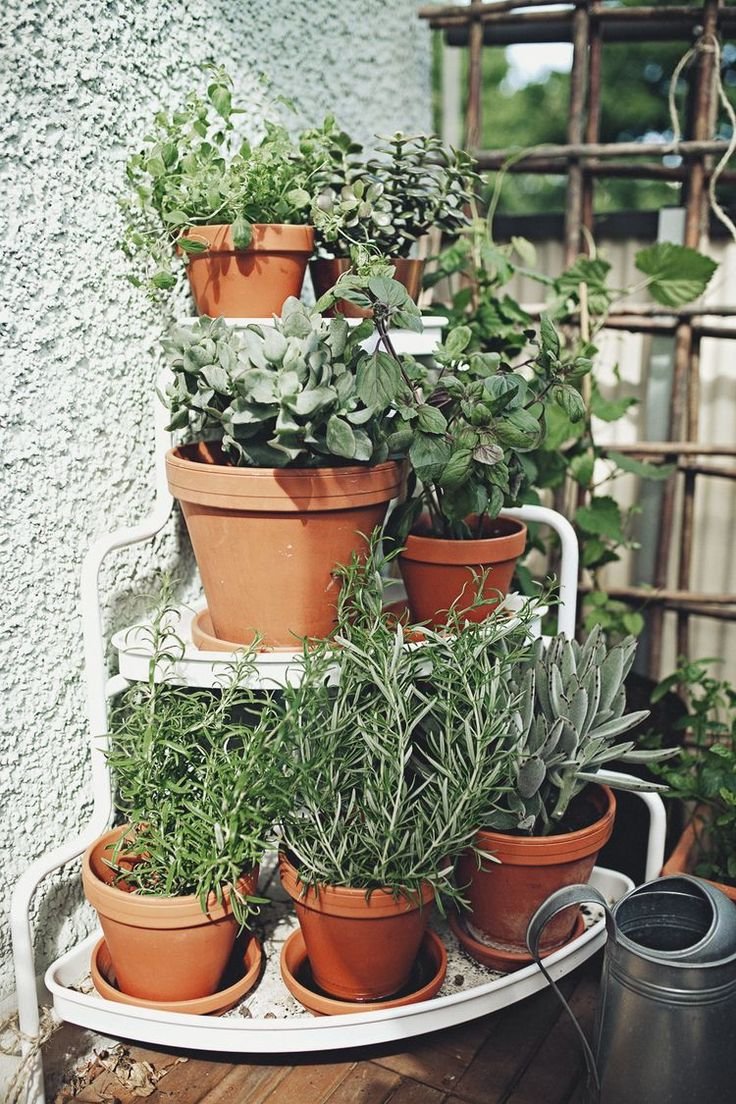
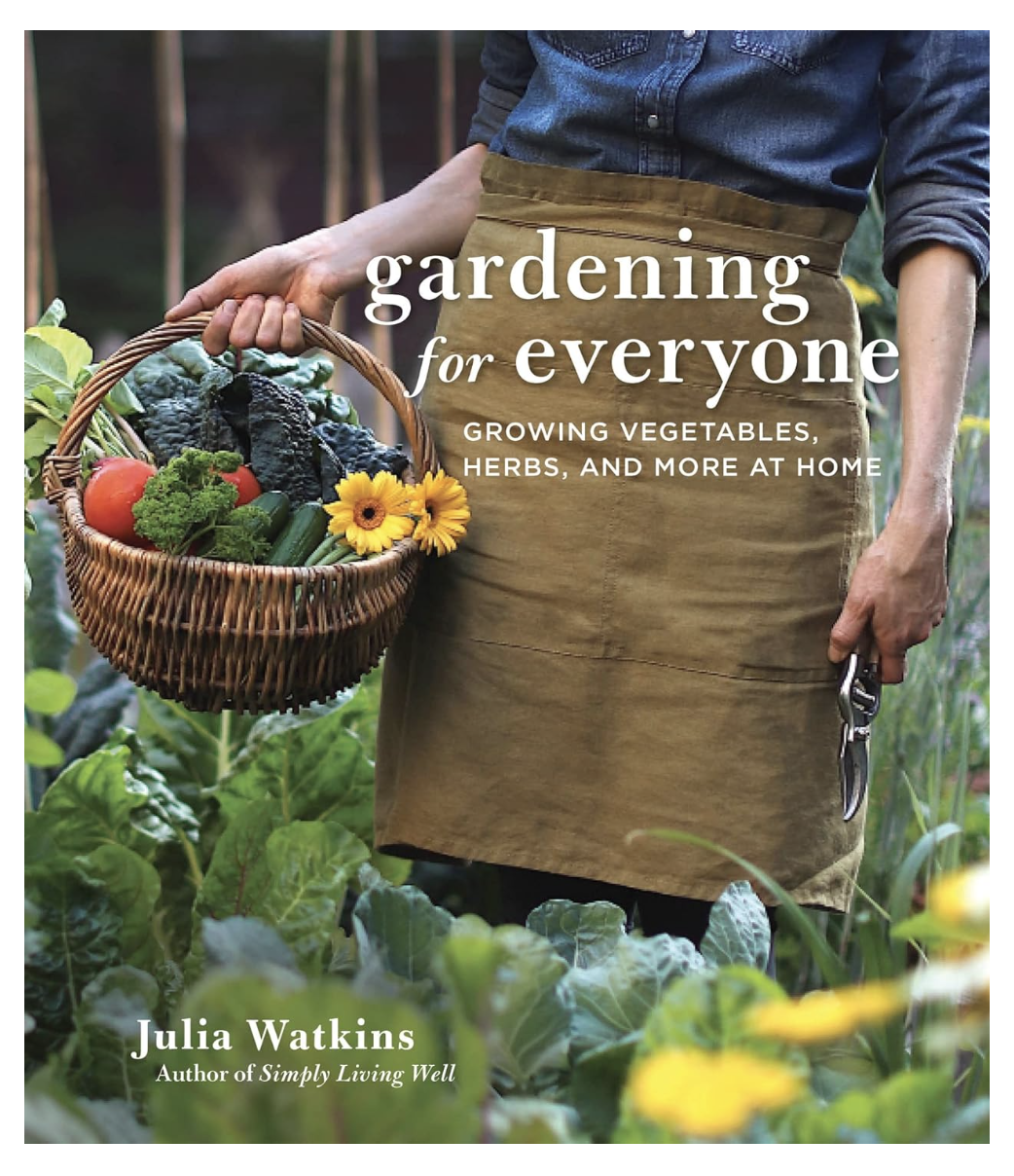
03 | A corner plant stand with terracotta pots

04 | A balcony garden with various pot styles

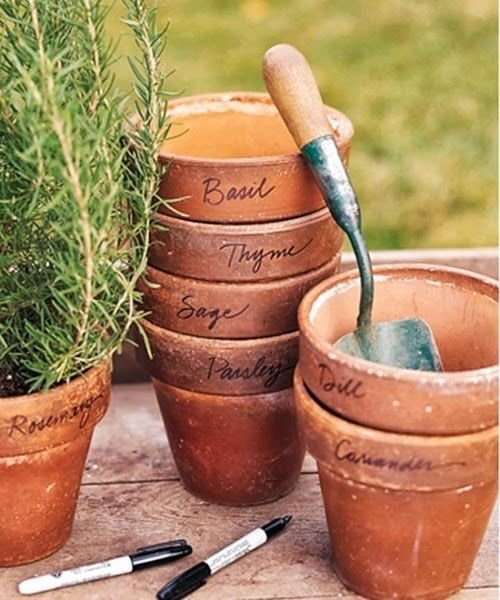
05 | Sharpie handwritten labels on Terra cotta pots
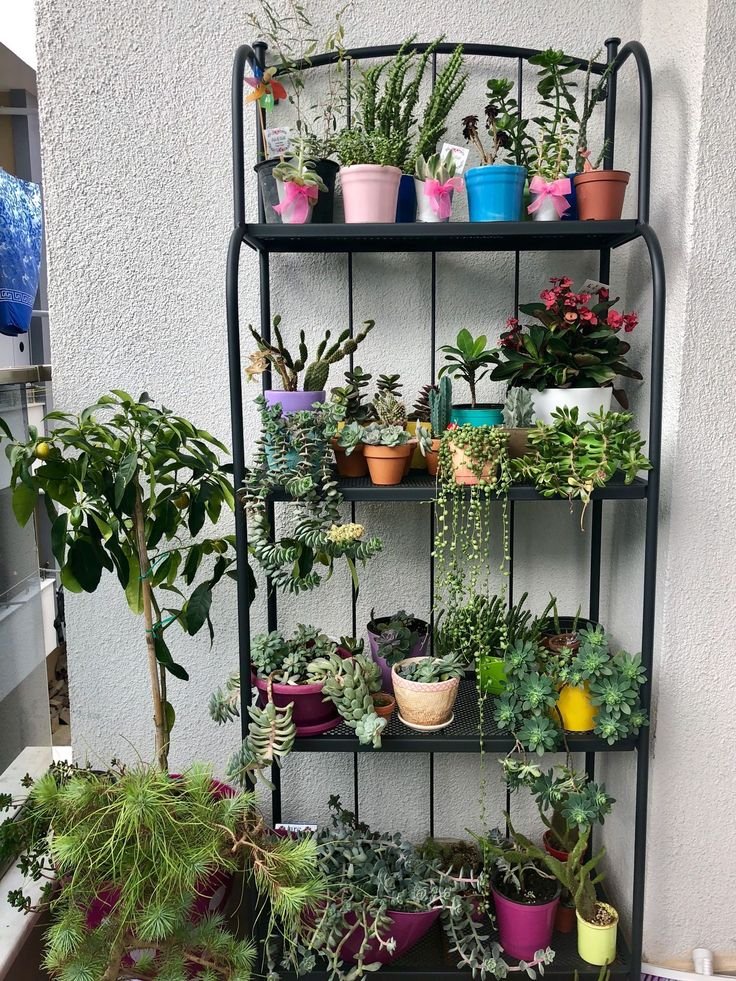
06 | Fill a bakers rack with pretty pots


07 | Wire hanging wall mounted plant stand

08 | Hanging moss planters

09 | Companion planting in a flower bed
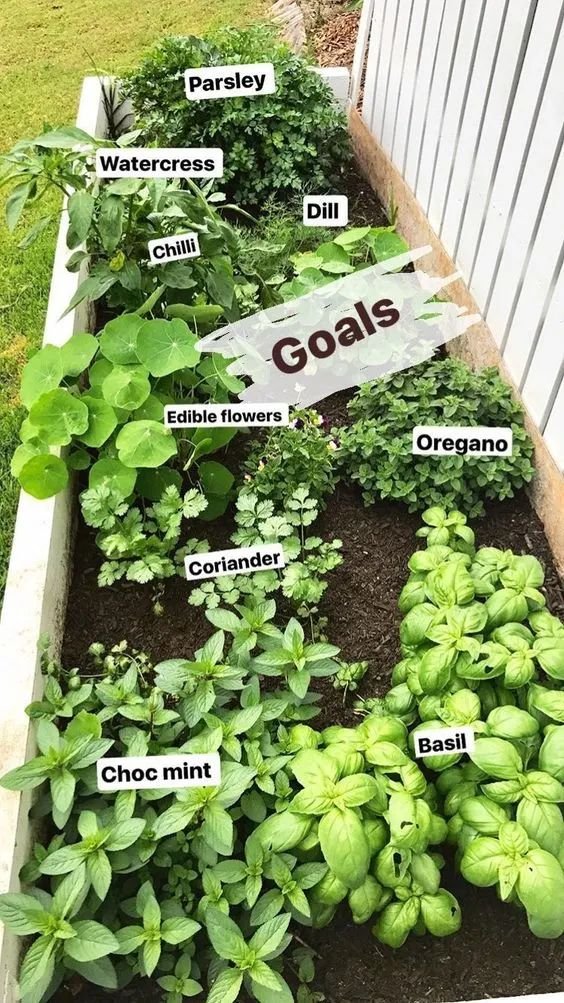
Companion planting in your herb garden is a time-honored practice that offers numerous benefits for both your plants and the ecosystem as a whole. By strategically interplanting different herbs, flowers, and vegetables, you can create a harmonious environment that promotes growth, repels pests, and enhances overall plant health.
For example, certain herbs, such as basil and rosemary, emit natural compounds that deter pests and attract beneficial insects like bees and butterflies, thereby reducing the need for harmful pesticides.
Companion planting can improve soil fertility and structure by fostering symbiotic relationships between plants, such as nitrogen-fixing legumes and nutrient-absorbing root systems. By embracing companion planting techniques, you not only create a beautiful and diverse garden but also contribute to a more sustainable and resilient ecosystem, where plants thrive in symbiotic harmony.
10 | Opt for a layered plant look

11 | Add a rack for hanging plants

Make Your Garden Shine: Simple Tips for Outdoor Bliss
Tips for Keeping Your Herb Garden Thriving
To keep your herb garden healthy and productive, keep these tips in mind:
Harvest herbs regularly
Avoid overcrowding plants
Rotate pots for even sunlight
Prune herbs to encourage growth
Fertilize lightly every few weeks
Herbs are resilient plants, but giving them the right environment will ensure they grow beautifully throughout the season.

What to Plant to Keep Bugs Away:
For a bug-free garden sanctuary, harness the power of plants!
Basil's aroma wards off pesky mosquitoes and flies.
Lavender not only adds fragrance but repels moths, fleas, and mosquitoes too.
Plant marigolds to deter aphids, mosquitoes, and even nematodes from your precious greens.
Citronella grass emits a scent that repels mosquitoes, making it a must-have for outdoor gatherings.
Consider planting rosemary to fend off mosquitoes and carrot flies.
Frequently Asked Questions About Herb Gardens
What herbs grow best together?
Many Mediterranean herbs grow well together because they prefer similar conditions. Good combinations include:
rosemary, thyme, oregano
basil and parsley
chives and dill
Avoid planting mint with other herbs, as it spreads aggressively.
How long does it take for herbs to grow?
Most herbs begin growing quickly and can be harvested within 4–8 weeks after planting.
Can you grow herbs indoors?
Yes! Herbs grow beautifully indoors as long as they receive enough sunlight.
Place them:
near a sunny window
under grow lights
in containers with good drainage
What herbs should every beginner grow?
The easiest herbs to start with include:
basil
mint
parsley
chives
oregano
thyme
Do herbs grow back after you cut them?
Yes. Most herbs grow back stronger after harvesting as long as you don’t remove more than one-third of the plant at a time.
Grab your garden gloves:
Starting an herb garden at home is one of the easiest ways to bring beauty, fragrance, and flavor into everyday life.
Whether you create a small windowsill garden in your kitchen or a charming patio herb corner outdoors, growing herbs invites a slower rhythm into your daily routine. It becomes a little ritual—watering your plants in the morning, clipping fresh herbs for dinner, and enjoying the simple pleasure of nurturing something that grows.
And once you start, you’ll quickly realize how addictive it is. One small herb pot often turns into an entire garden before you know it.
So if you’ve been thinking about starting an herb garden, let this be your sign.
You may also like:
🌻 44 things to do on a Sunday for a great week
🌻 21 small backyard flower garden ideas
🌻 12 feminine energy books every woman should read
Please feel free to email me at ashlina@thedecorista.com if you have any questions! I’m always happy to help with decorating, life advice or even picking out a specific perfume! Have an amazing day!!
Also, check out my Amazon shop HERE to shop all my favorite things, tips and tricks. You can also download the free LIKETOKNOW.IT app and follow me HERE.
STAY IN THE KNOW: Don’t forget to sign up for my exclusive Love Letters for STYLE TIPS, LIFE ADVICE, COSMIC TEA, AND MUCH MORE!
As always, thank you so much for stopping by today, I truly appreciate all of you! xo, Ashlina
FOLLOW ALONG: Instagram | Pinterest | Shop Amazon | You Tube