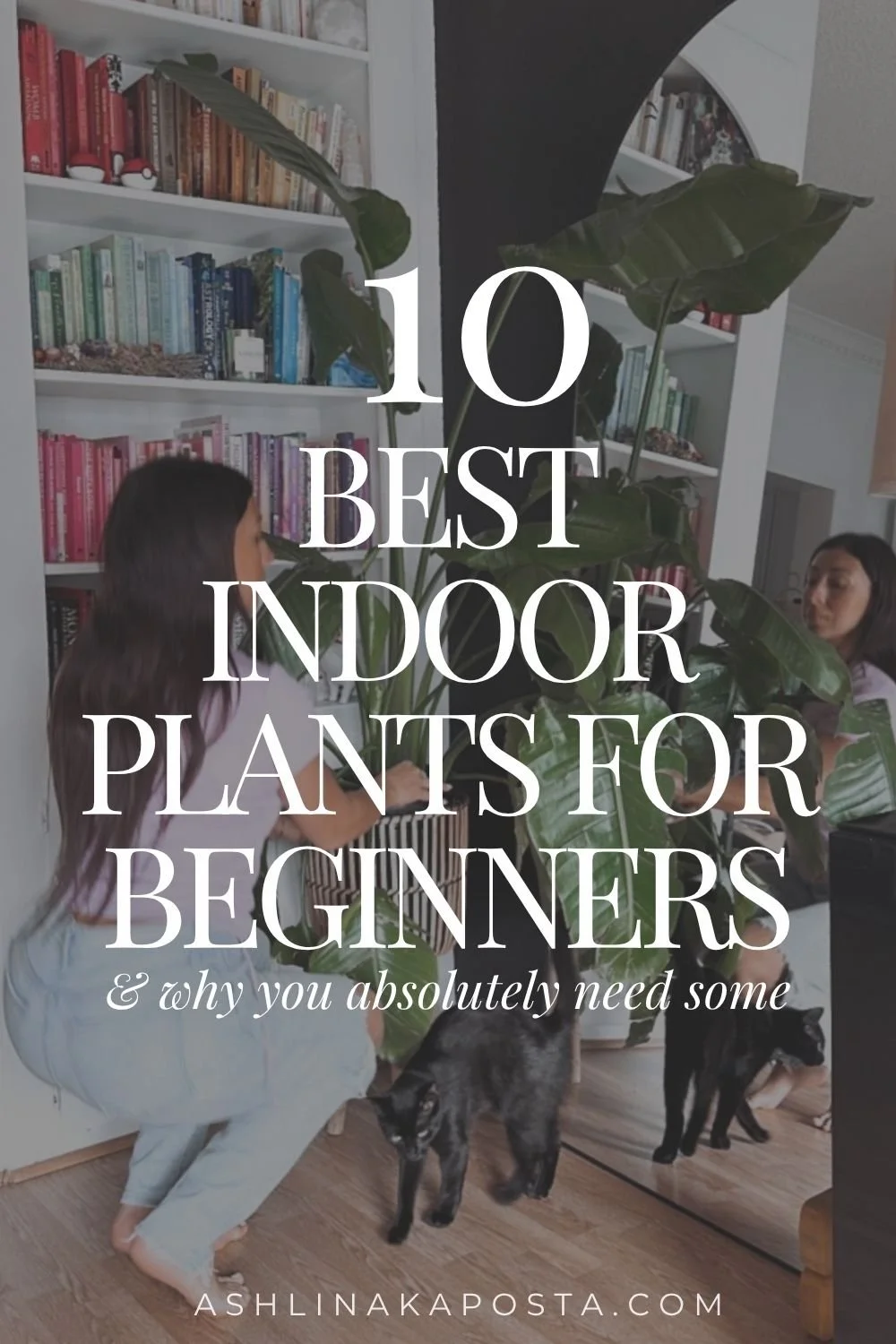
I am a full fledged plant lady. I have dozens of plants in my home.
My obsession with house plants started in 2022 after I kept killing my orchids and became determined to learn how to keep them alive.
Before I ever felt confident with plants, I thought they were something reserved for people who had a green thumb—people with perfectly lit homes, perfectly timed watering schedules, and some kind of natural green thumb I was convinced I didn’t have.
But what I realized is that it’s not about being “good with plants.” It’s about starting with the right plants and learning along the way.
The ones that don’t overwhelm you. The ones that don’t require constant attention. The ones that quietly thrive while you’re still figuring things out.
These 10 plants are exactly that.
They’re the plants I started with when I decided I wanted my home to feel more alive, more grounded, more beautiful—but without turning it into something that felt cluttered or high maintenance.
These are the plants that:
Were easy to take care of
Adapted to real life (not perfect conditions)
Actually thrived in my home
Gave me the confidence to keep going
And made my space feel instantly better
They’re also the plants I’ve propagated, moved around, restyled, and truly lived with.
So if you’re just getting started, or you want your home to feel elevated without feeling overwhelmed—this is where I would begin.
We tend to think of plants as an aesthetic upgrade—and yes, they are beautiful—but their real value goes much deeper.
Plants soften a space. They regulate humidity. They subtly improve air quality. They give your eyes somewhere to rest in a world that constantly overstimulates you.
But more than anything, they reconnect you with the energy of the Earth.
When you care for plants, even in the smallest way, you’re participating in a rhythm that isn’t rushed. You begin to notice light. You pay attention to water. You observe growth.
And that alone has a grounding effect on your nervous system.
From a feng shui perspective, plants represent wood energy—growth, expansion, vitality, and forward movement. Which is exactly what most of us are craving, especially when life feels stagnant or heavy.
So no, plants aren’t just pretty.
They are supportive.
My Philosophy: Your Home Is a Living Ecosystem
Before we even get into which plants to buy, I want you to see your home differently.
Not as a collection of rooms—but as a living environment that either supports you… or drains you. Plants are one of the easiest ways to shift that.
They:
Add life where things feel flat
Soften hard edges and sterile spaces
Bring movement and subtle energy into a room
Create a sense of care and intention
You don’t need dozens. You don’t need to be perfect.
You just need the right plants—and an understanding of how they work with your space.
Before we get into my list of the best plants for beginners, here are my top 6 hacks for taking care of indoor plants.
What to Know About Plants If You Have Pets
If you have pets—especially curious cats like mine—you’ve probably wondered whether bringing plants into your home is actually safe.
And the truth is, not all plants are considered pet-friendly.
Some of the most beautiful and common houseplants (like monstera, pothos, and snake plants) can be toxic if chewed or ingested. But that doesn’t mean you can’t have them—it simply means you want to be a little more intentional with placement and awareness.
In my experience, it becomes less about restriction and more about creating a home that works for both you and your pets.
There are also a handful of plants that are generally considered pet-safe, like spider plants, orchids, and most fresh kitchen herbs. These are wonderful options if you want peace of mind or if your pets tend to be especially curious.
That said, many people (myself included) still keep a mix of plants in their home by:
Placing certain plants higher up on shelves or in hanging planters
Keeping more delicate/toxic plants out of reach or on plant stands
Observing their pet’s behavior and adjusting as needed
Your home doesn’t have to be plant-free to be pet-friendly. It just needs to be intentional.
The 10 Best Indoor Plants for Beginners
These are the plants I recommend over and over again—not just because they’re easy, but because they actually do something for your home.
1. Snake Plant (Sansevieria)
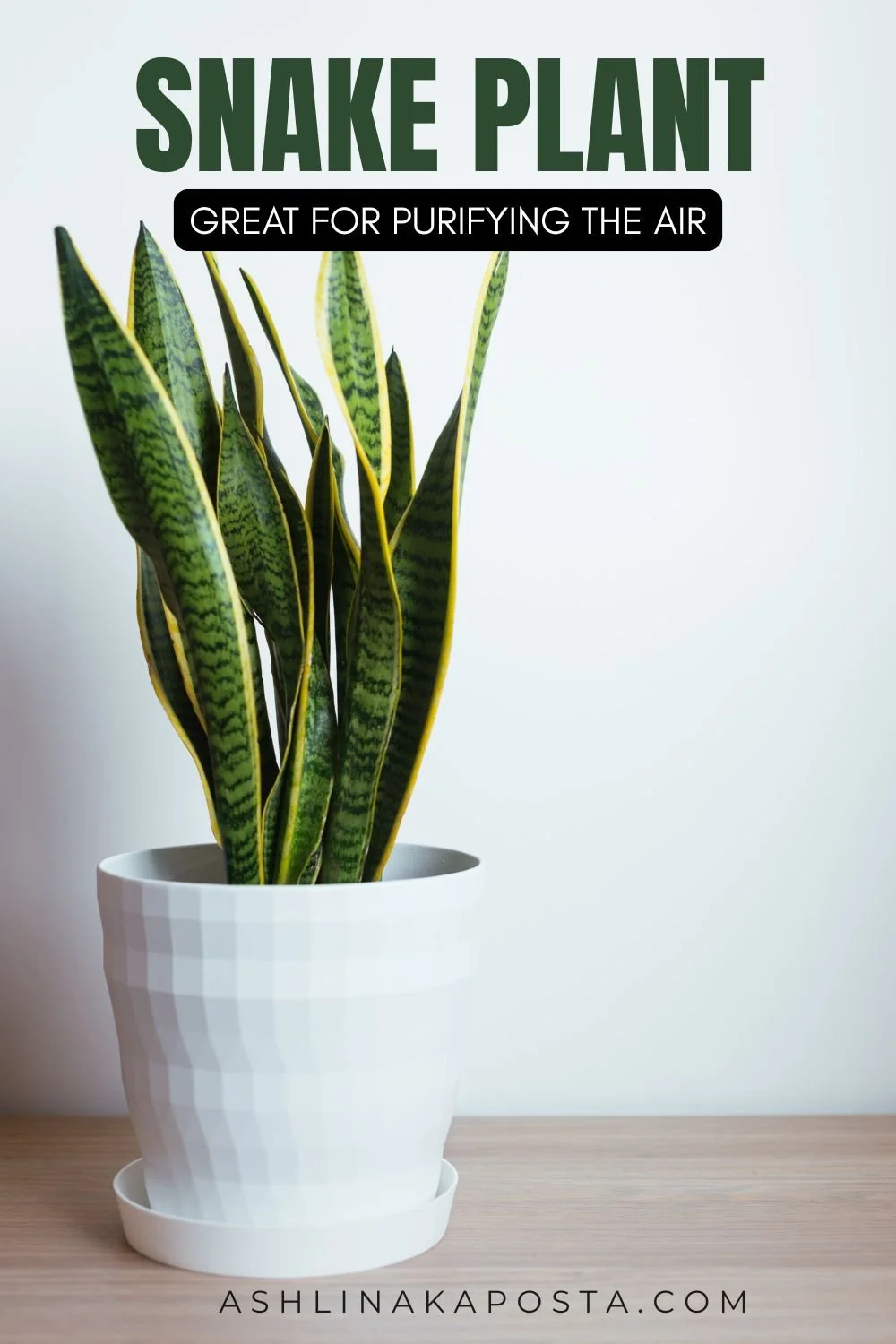
If you’re starting from zero—or you’ve convinced yourself you’re “not a plant person”—this is where I would begin. The snake plant is steady, structured, and incredibly forgiving. It doesn’t demand constant attention, and it doesn’t punish you if you forget about it for a week or two. It simply exists, quietly doing its job, adding a sense of calm strength to your space.
There’s something grounding about its upright shape. It brings vertical energy into a room, which is especially helpful if your space feels stagnant or flat. I love placing snake plants in bedrooms or entryways—anywhere you want to create a subtle feeling of stability and presence.
It’s also one of those plants that builds your confidence. When you see it thriving with minimal effort, it shifts your identity from “I can’t keep plants alive” to “I’m actually really good at this.”
Why it’s powerful:
It’s one of the easiest plants to care for, which makes it ideal for beginners who are building confidence and consistency with plant care routines.
It’s known for releasing oxygen at night, which makes it especially supportive in bedrooms where you want deeper rest and a more refreshed feeling in the morning.
Its structured, upright leaves bring a sense of order and grounded energy into your home, which is incredibly supportive if your space feels chaotic or cluttered.
It thrives in a variety of lighting conditions, including low light, making it incredibly versatile for different areas of your home.
2. Pothos (Devil’s Ivy)
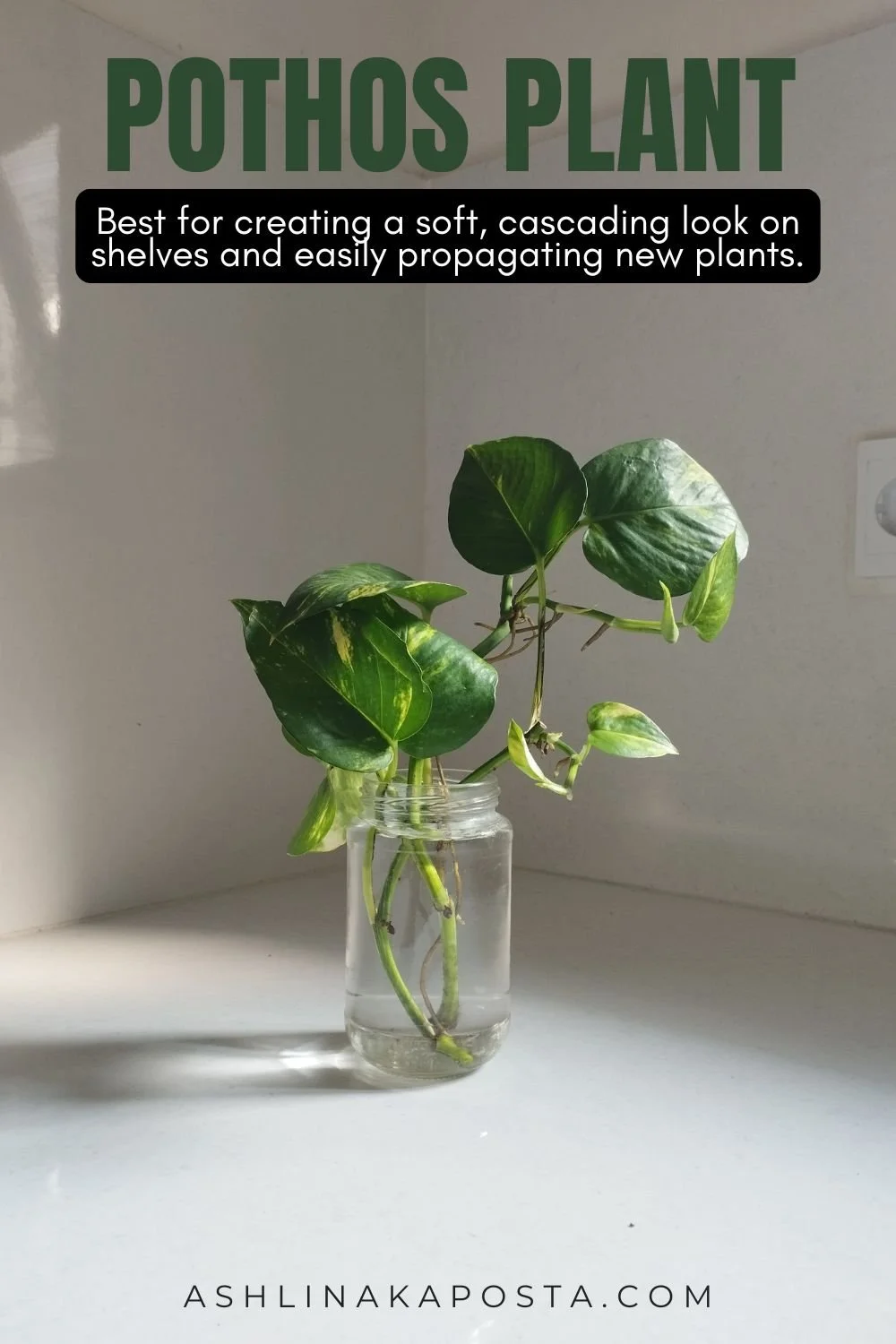
Pothos is one of those plants that instantly makes your home feel styled—even if everything else is still a work in progress. It trails, it drapes, it softens. It brings movement into a space in the most effortless way.
What I love most about pothos is how generous it is. It grows quickly, adapts easily, and gives you so much visual reward without asking for perfection. You can place it on a shelf, let it cascade down a bookcase, or hang it near a window, and it will completely transform the energy of that area.
It’s also one of the best plants to start propagating with. And there’s something really special about that—cutting a piece, placing it in water, and watching it grow roots. It’s such a tangible reminder of expansion and abundance.
Why it’s powerful:
It grows quickly and visibly, which creates a sense of momentum and progress in your home environment.
Its trailing vines soften hard edges like shelves, cabinets, and corners, making your space feel more relaxed and lived-in.
It’s incredibly forgiving when it comes to watering and lighting, which makes it ideal for beginners who are still learning plant rhythms.
It’s easy to propagate, allowing you to create new plants from one original plant—symbolically reinforcing abundance and growth.
3. ZZ Plant
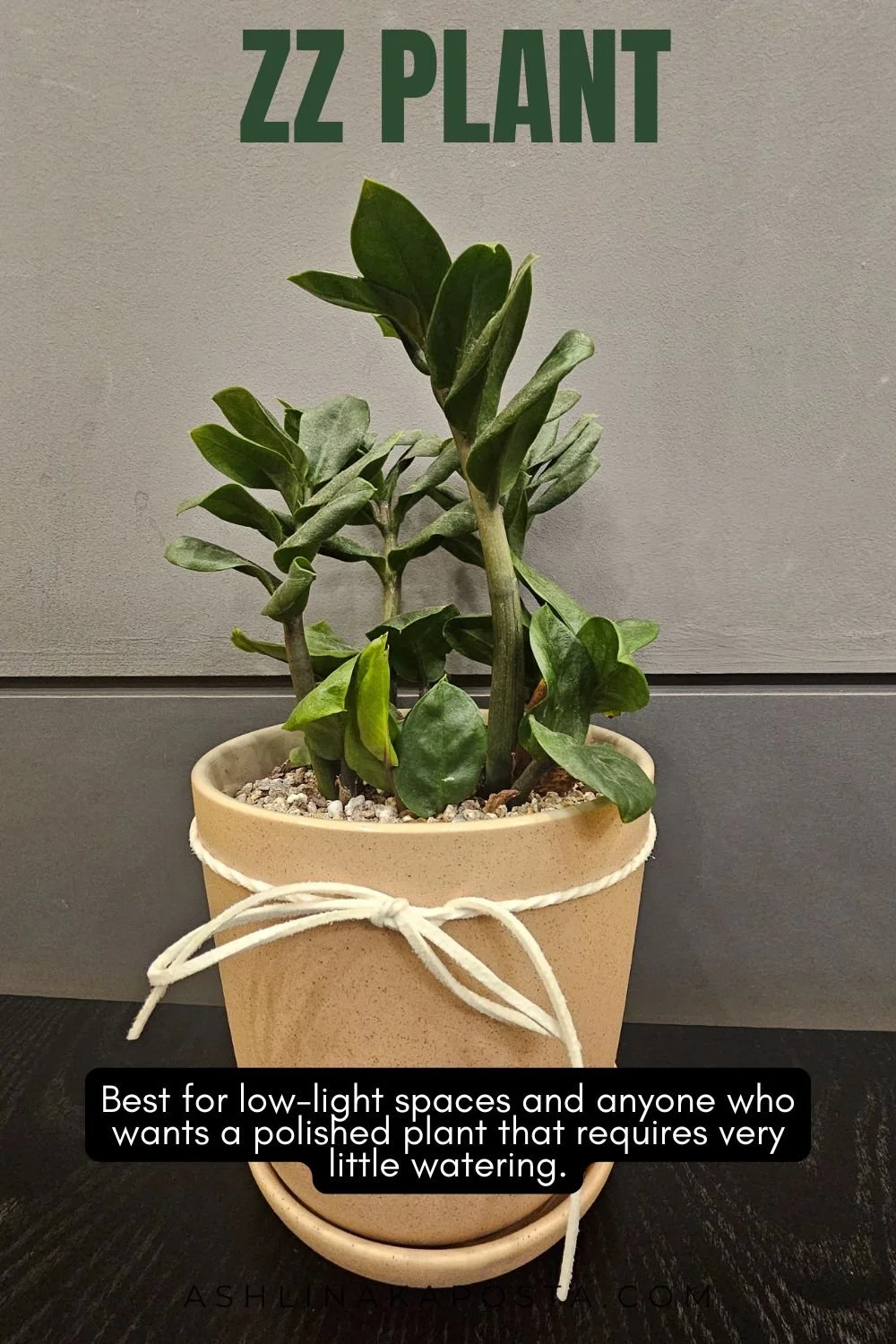
The ZZ plant has this quiet, polished elegance to it. Its glossy leaves almost look sculptural, and it has a way of making a room feel more elevated without trying too hard.
If you have a darker corner, a hallway, or a space that doesn’t get a lot of natural light, this is your plant. It thrives where other plants struggle, which makes it incredibly supportive for real-life homes—not just Pinterest-perfect ones.
It’s also one of the most low-maintenance plants you can own. It stores water in its roots, so it doesn’t need frequent watering, and it holds its shape beautifully over time.
Why it’s powerful:
It thrives in low-light environments, making it ideal for areas of your home that don’t receive consistent sunlight.
Its glossy, structured leaves add a refined, elevated look to your space without requiring constant upkeep.
It requires very infrequent watering, which makes it perfect for busy lifestyles or anyone who tends to forget plant care routines.
It symbolizes resilience and adaptability, reminding you that growth can still happen even in less-than-perfect conditions.
4. Monstera Deliciosa
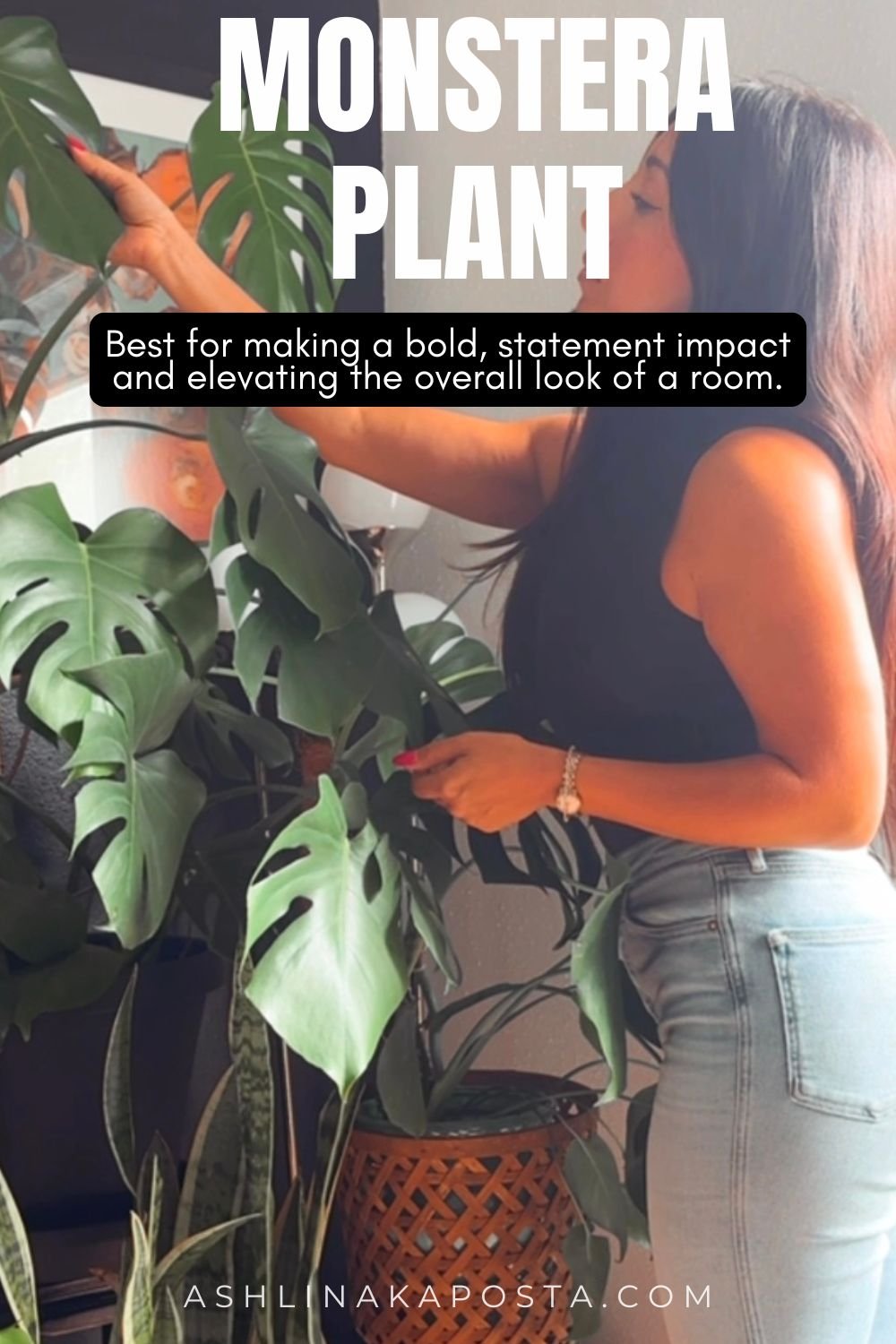
This is the plant that changed everything for me personally.
A monstera doesn’t just sit in a room—it becomes part of the room. Its large, split leaves bring a bold, expansive energy that instantly makes your space feel more alive, more intentional, more designed.
It’s a beautiful next step once you feel a little more confident with plant care. It does require a bit more attention—mainly in terms of light and watering—but it gives so much in return.
There’s something about watching a monstera unfurl a new leaf that feels deeply satisfying. It’s slow, steady, and incredibly rewarding.
Why it’s powerful:
Its large, statement leaves create an immediate visual impact, making your home feel more styled and elevated.
It represents expansion and growth, which aligns beautifully with creating a home that supports your next level.
It encourages you to be more attentive and intentional with care, helping you deepen your connection to your environment.
It thrives in bright, indirect light, making it perfect for living rooms and main spaces where you spend the most time.
5. Orchid (Phalaenopsis)
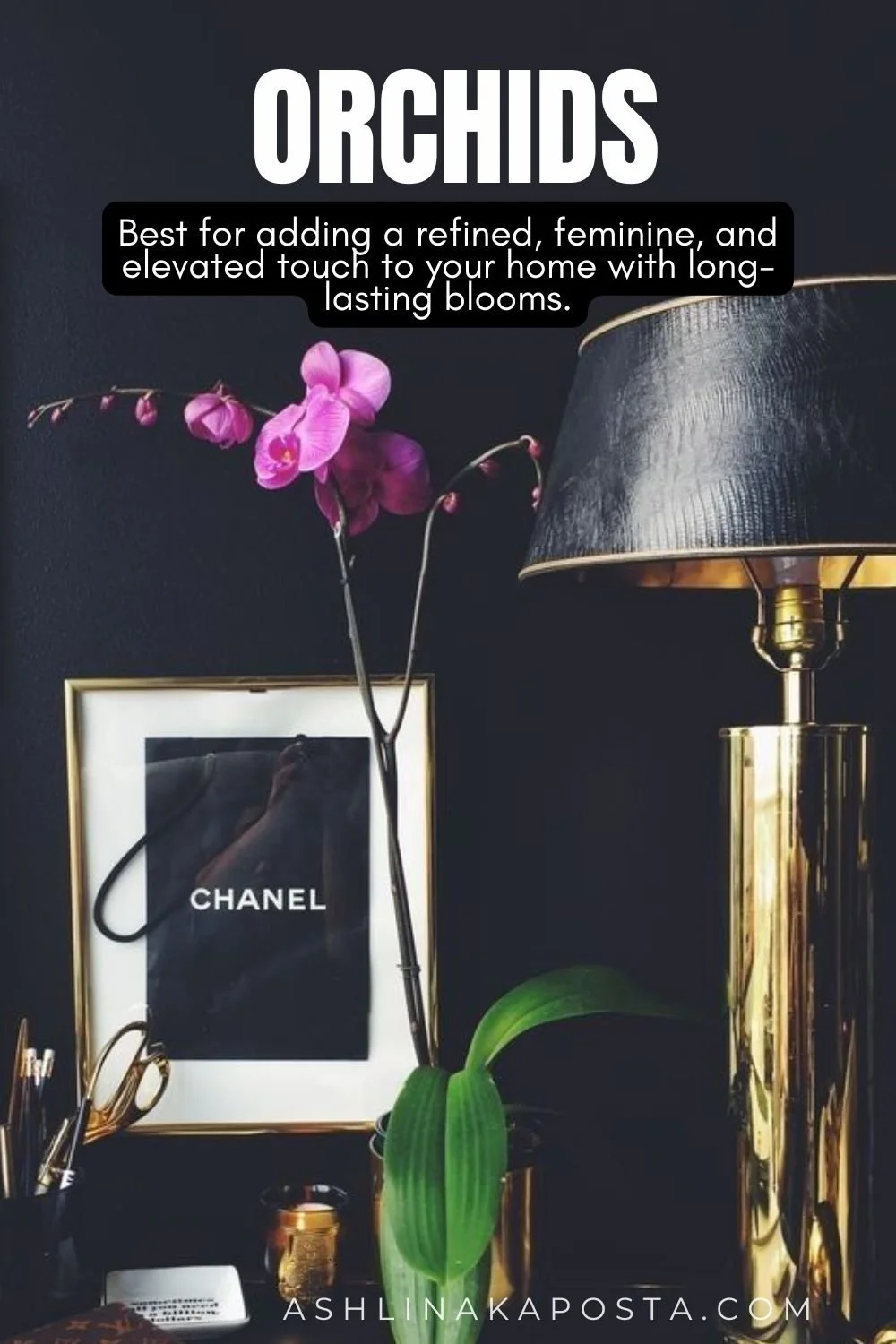
The orchid is one of those plants that instantly shifts the energy of a space.
It’s not loud or overwhelming—it’s refined. Clean. Intentional. There’s a softness to it, but also a quiet strength. When you place an orchid in a room, everything around it seems to elevate just a little bit.
And I think orchids get misunderstood.
People assume they’re difficult or high-maintenance, but the truth is, they’re simply different. Once you understand their rhythm—light, minimal watering, and patience—they become incredibly rewarding to care for. In many ways, they teach you a more feminine approach to nurturing something: less force, more observation.
I love placing orchids in spaces where I want to feel calm, clear, and slightly elevated—on a nightstand, in a bathroom, on a coffee table, or even as a centerpiece when I want something that feels quietly luxurious.
They don’t just decorate a space—they refine it.
Why it’s powerful:
Orchids bring an immediate sense of elegance and intentional beauty into your home, making even simple spaces feel more elevated and curated.
They encourage a slower, more observant approach to care, helping you tune into subtle cues rather than over-managing or overwatering.
Their long-lasting blooms provide weeks (sometimes months) of visual reward, reinforcing consistency and patience in your care routine.
In feng shui, orchids are associated with love, fertility, refinement, and feminine energy, making them especially beautiful additions to bedrooms and relationship spaces.
They thrive in bright, indirect light, making them perfect for styling in the areas of your home where you naturally spend the most time.
6. Rubber Plant
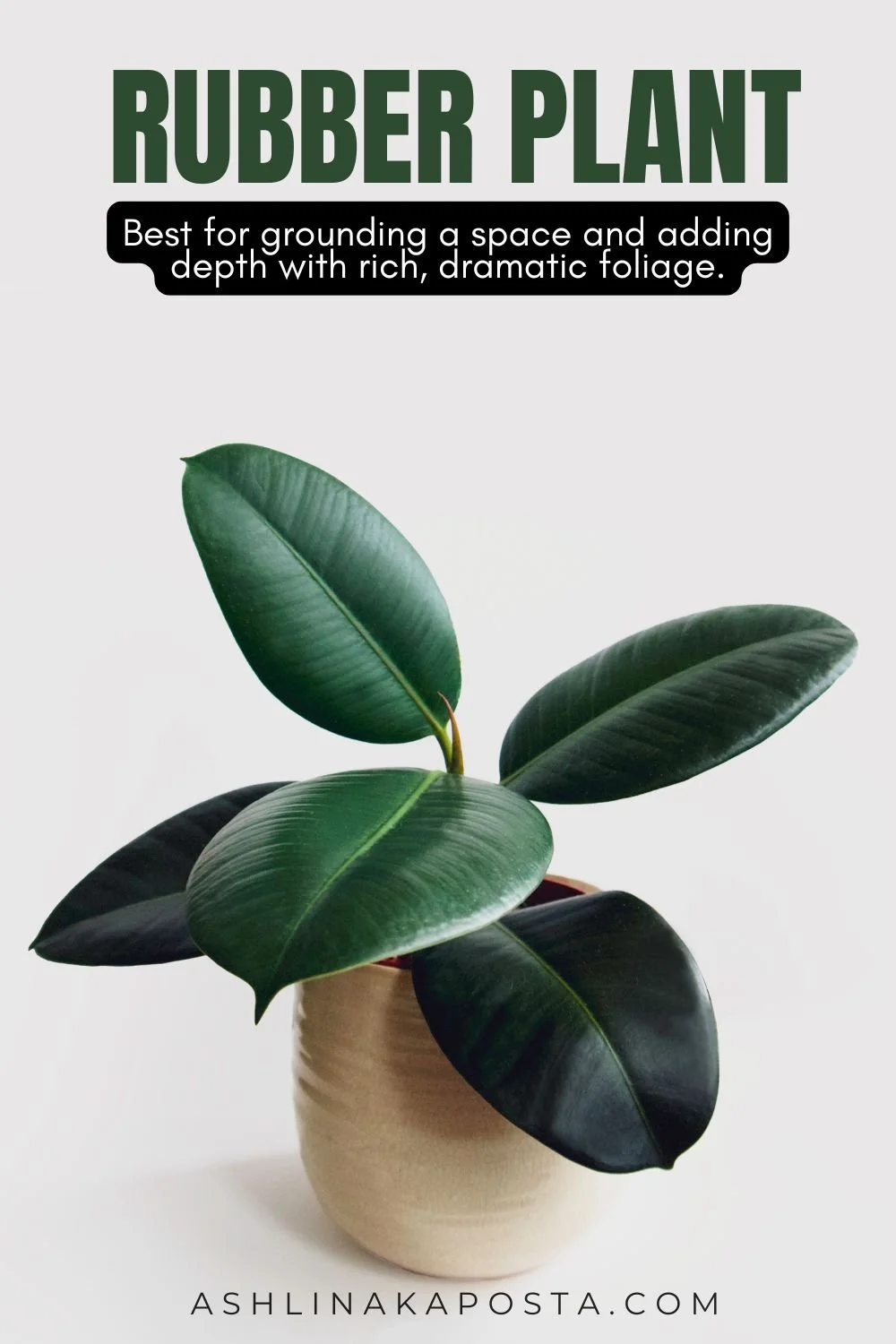
The rubber plant feels rich. Deep green leaves, bold presence, slightly dramatic in the best way.
It’s one of those plants that grounds a space. If your home feels a little scattered or visually busy, a rubber plant brings it back into focus. It anchors the room.
It does best with consistent light and a bit of structure in care, but once you understand its rhythm, it’s incredibly rewarding.
Why it’s powerful:
Its large, dark leaves add depth and richness to your home, creating a more grounded and sophisticated aesthetic.
It helps anchor a space visually, making it ideal for living rooms or areas that need a focal point.
It supports cleaner air while also contributing to a more stable, calming environment.
It encourages consistency in care, helping you build more intentional routines with your home.
7. Aloe Vera
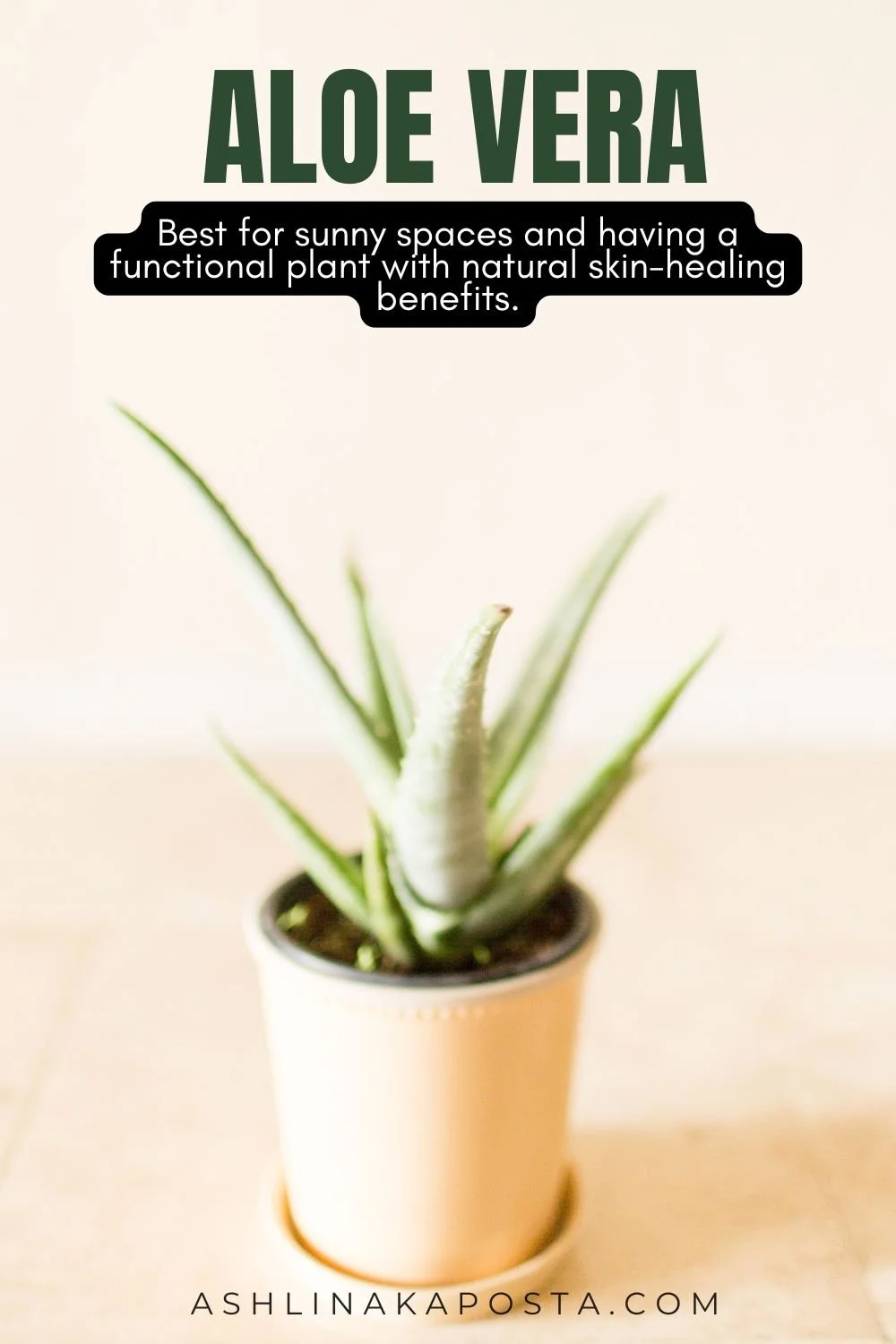
Aloe is one of those plants that blends beauty with function effortlessly.
It thrives in sunlight, making it perfect for kitchens or windowsills, and it carries natural healing properties that you can actually use. There’s something incredibly empowering about having a plant in your home that supports your body as well.
It’s also very low maintenance, which makes it a great addition if you want something practical without adding more complexity.
Why it’s powerful:
It contains natural healing properties that can be used for skin support, burns, and irritation.
It thrives in bright light, making it perfect for sunny spaces like kitchens and windowsills.
It requires minimal watering, making it ideal for beginners or low-maintenance plant lovers.
It symbolizes protection, healing, and wellness within your home.
8. Spider Plant
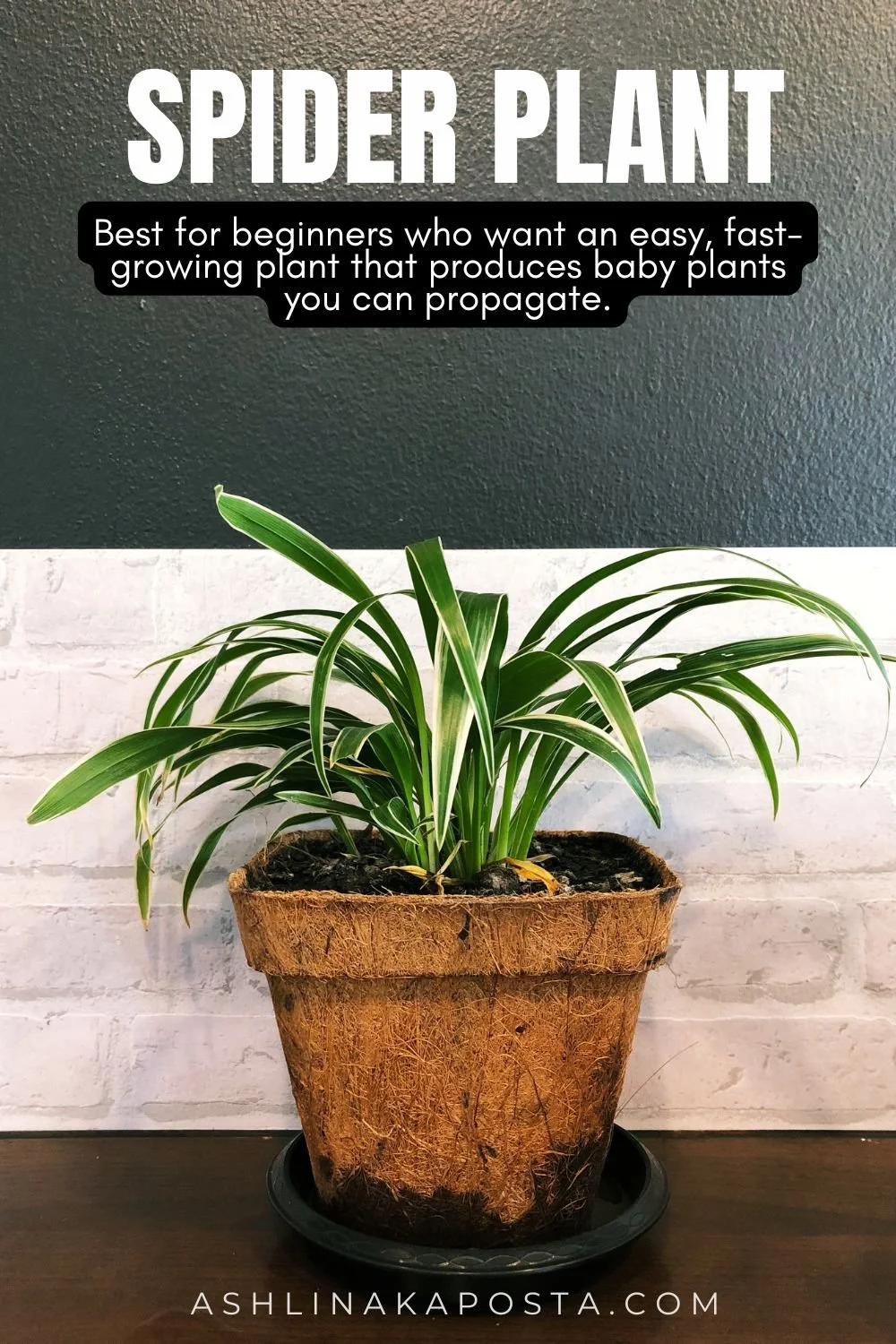
The spider plant feels light, playful, and abundant.
It grows in soft arcs and eventually produces little “babies” that you can replant, which makes it one of the most satisfying plants to own. It has this energy of overflow—like there’s always more where that came from.
It’s incredibly adaptable and does well in a variety of environments, which makes it a great choice if you’re still figuring out your space.
Why it’s powerful:
It produces offshoots that can be propagated, reinforcing a sense of growth and abundance in your home.
It helps improve air quality while adding a light, airy visual texture to your space.
It adapts well to different lighting conditions, making it very beginner-friendly.
It’s ideal for hanging or elevated placement, adding dimension and movement to your home.
9. Fiddle Leaf Fig
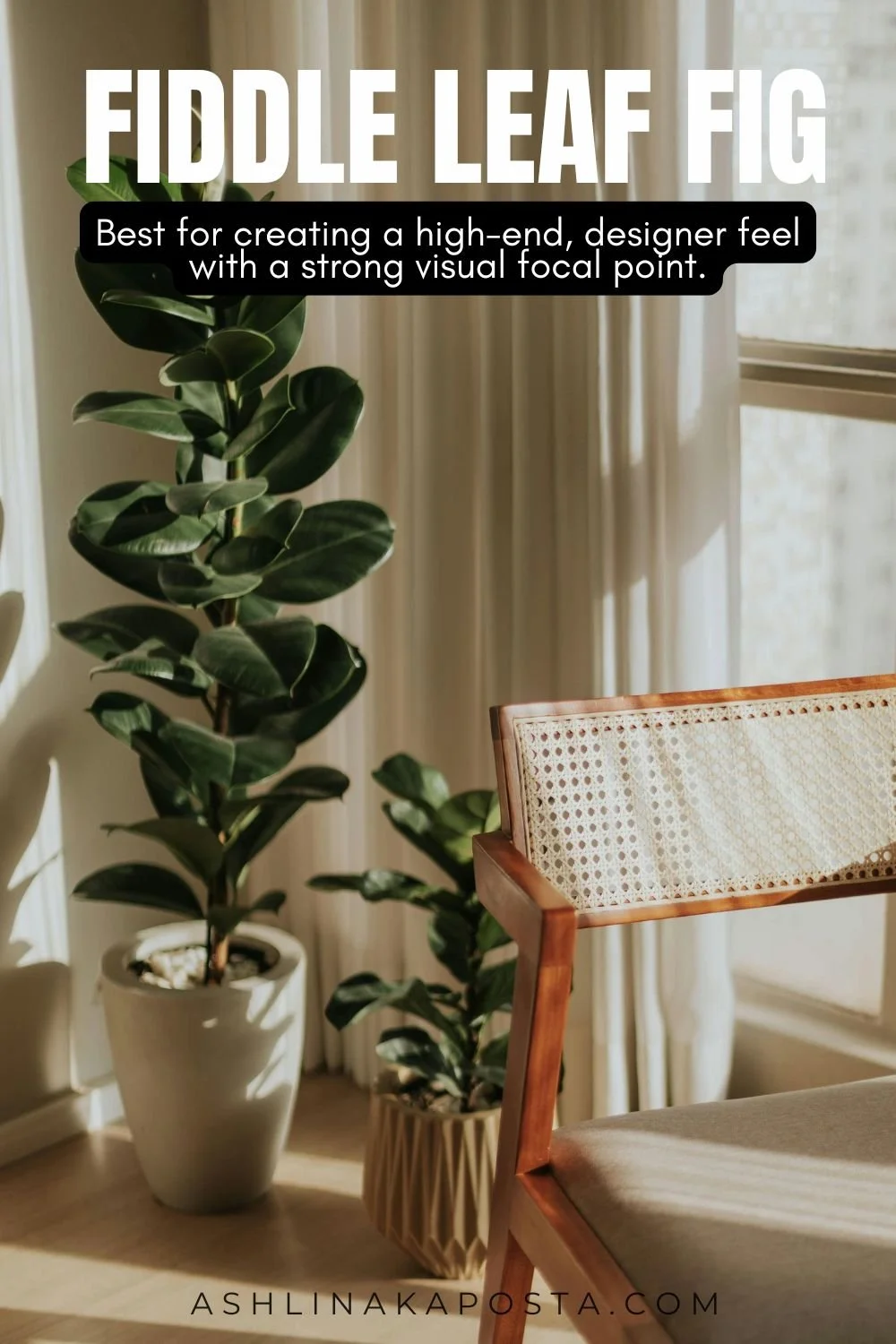
The fiddle leaf fig is iconic for a reason.
It’s bold, sculptural, and instantly elevates a room—but it does ask for your attention. This is a plant that teaches you presence. It wants consistency, light, and a little bit of care.
But once you understand it, it becomes one of the most rewarding plants to grow.
Why it’s powerful:
It creates a strong visual statement, instantly making your home feel more elevated and designed.
It encourages consistency and attentiveness, helping you become more intentional with your space.
It thrives in bright environments, making it ideal for main living areas.
It acts as a focal point, anchoring the overall aesthetic of a room.
10. Herbs (Basil, Mint, Rosemary)
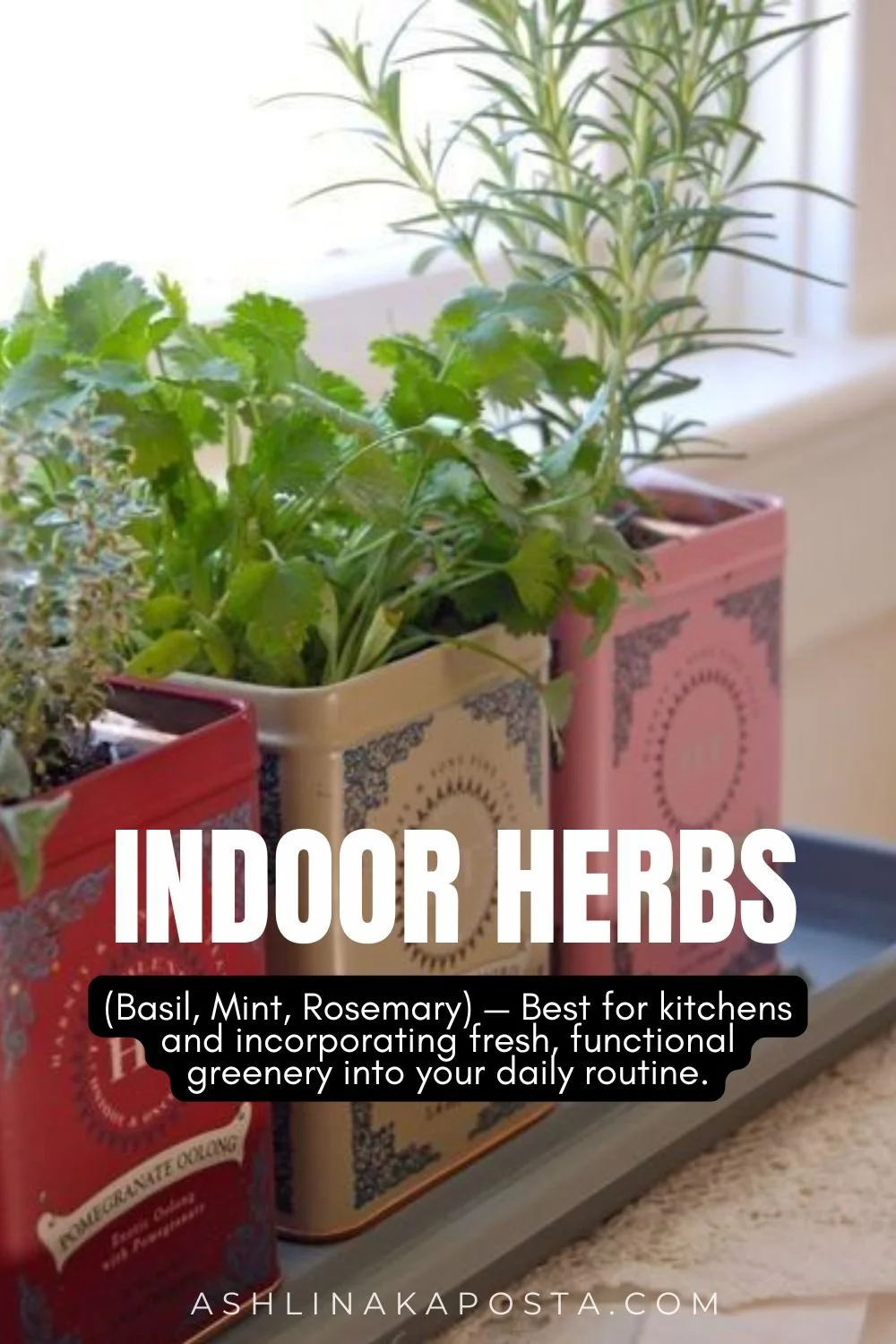
There is something deeply satisfying about growing what you use. I talk a lot about how to start an herb garden at home.
Having fresh herbs in your kitchen shifts your daily routine in the smallest but most meaningful ways. You start cooking differently. You reach for fresh ingredients. You become more present in the process.
It’s one of the simplest ways to bring life into your home in a functional way.
Why it’s powerful:
It encourages more mindful, intentional cooking habits and elevates your daily routines.
It provides fresh, accessible ingredients right in your home, blending beauty with function.
It thrives in sunlight, making it perfect for kitchen windows and bright spaces.
It brings freshness, vitality, and a sense of nourishment into your environment.
THE TOP 3 air purifying plants:
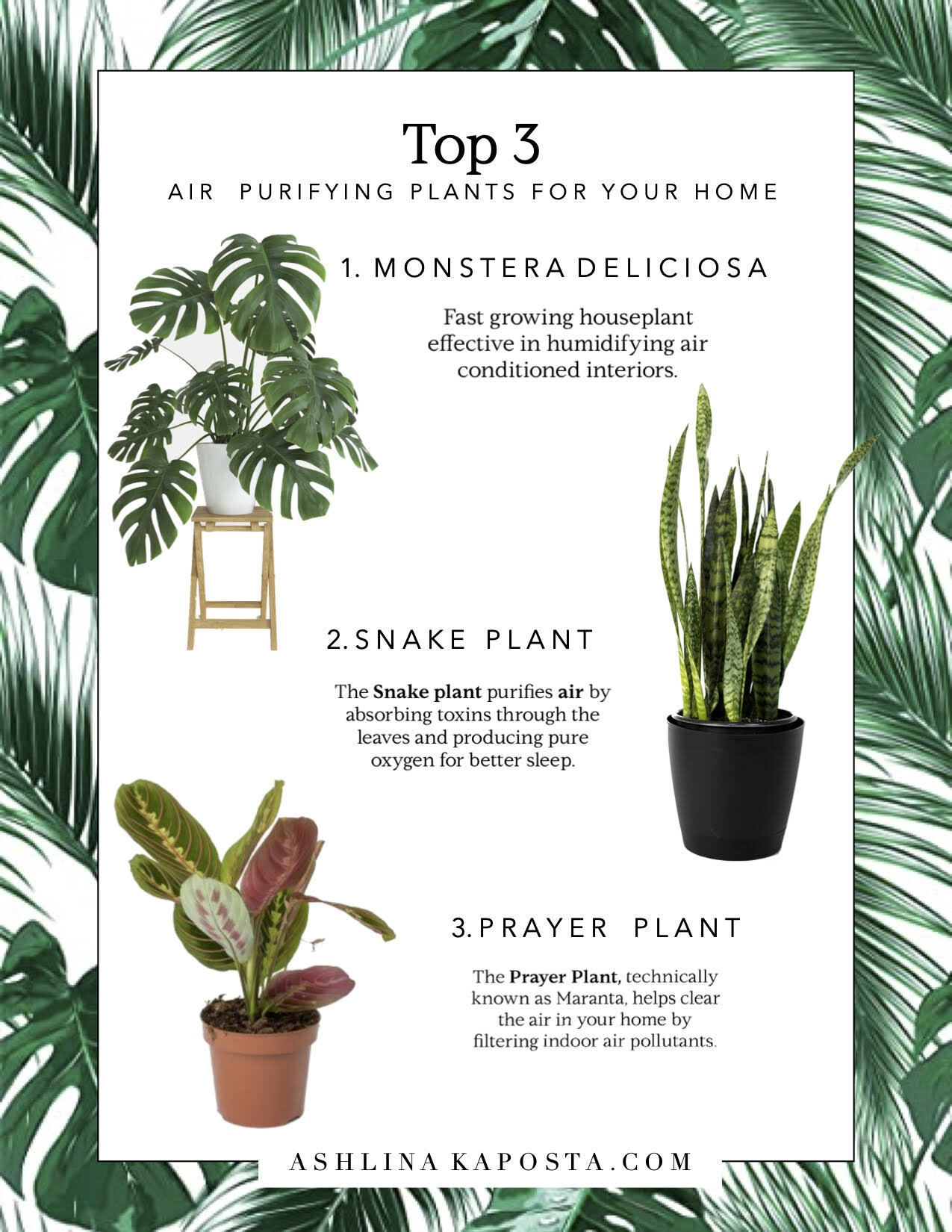
1.Monstera Deliciosa
Monstera plants are low-maintenance and primarily prized for their ornamental value, thanks to their attractive, deep-green, waxy, fenestrated leaves. However, they have several other uses and benefits for air purification, dehumidifying, feng shui, reduced stress, improved workplace, and more.
2. Snake Plant
It isn't fussy about its location and needs little watering. It is most known to provide a strong protective energy and the snake plant can effectively reduce anxiety, respiratory problems and headache symptoms.
3. Prayer plant
Prayer plants help clear the air in your home by filtering indoor air pollutants. Colorful and dependable, prayer plants do well in any kind of light, although it's best to avoid direct sunlight. Prayer plant also thrives in slightly moist soil so water whenever the soil feels like it's just starting to dry out.
FAQ: Everything You Need to Know About Indoor Plants for Beginners
What are the best indoor plants for beginners?
The best indoor plants for beginners are ones that are forgiving, adaptable, and don’t require constant attention. Plants like snake plants, pothos, ZZ plants, and Chinese evergreens are ideal because they can tolerate missed waterings, varying light conditions, and still continue to grow. The goal in the beginning isn’t perfection—it’s building confidence and consistency.
How often should I water my houseplants?
This is the most common question—and the answer is: it depends on the plant, the season, and your home environment. Most beginner plants prefer to dry out slightly between waterings rather than staying constantly wet.
A simple rule:
👉 Stick your finger into the soil about an inch deep. If it feels dry, it’s time to water. If it still feels moist, wait a few more days.
Overwatering is actually more common than underwatering, so when in doubt—wait.
Where should I place plants in my home?
Placement is everything.
Most indoor plants thrive in bright, indirect light, which usually means near a window but not directly in harsh sun. However, some plants (like ZZ plants and snake plants) can tolerate lower light conditions, making them perfect for bedrooms, hallways, or corners.
Start by observing your space:
Bright, sunny windows → monstera, aloe, herbs
Medium light → pothos, rubber plant
Low light → ZZ plant, snake plant, Chinese evergreen
Do indoor plants really improve air quality?
Yes—but with nuance.
Certain plants like snake plants, peace lilies, and spider plants are known for their air-purifying qualities. While a few plants won’t completely transform your air, they do contribute to a fresher, more oxygen-rich environment—and more importantly, they change how your home feels.
There’s a psychological and energetic shift that comes with greenery that goes beyond just science.
Why do my plants keep dying?
This usually comes down to a few simple things:
Overwatering
Not enough light
Too much attention (constantly moving or adjusting them)
Plants thrive on consistency. Once you place them in a spot they like, let them settle. Observe more than you interfere.
Also—start with easier plants. Not every plant is beginner-friendly, and that’s okay.
What are the easiest plants that are hardest to kill?
If you want the lowest maintenance options, start with:
Snake plant
ZZ plant
Pothos
Spider plant
Chinese evergreen
These plants are incredibly forgiving and perfect for building your confidence.
How do I make my home look good with plants (without clutter)?
This is where intention matters.
You don’t need a plant on every surface. Instead:
Choose a few key areas (corners, shelves, coffee tables)
Vary heights (one tall, one trailing, one small)
Let plants replace decor—not add to it
Plants should feel like part of your home—not something extra you’re trying to manage.
Can I propagate my plants as a beginner?
Yes—and you absolutely should.
Plants like pothos, spider plants, and some philodendrons are incredibly easy to propagate in water. It’s one of the most rewarding parts of owning plants because you’re literally creating new life from what you already have.
It also shifts your mindset from consumption to creation—which is such a beautiful energy to bring into your home.
What’s the biggest mistake beginners make with plants?
Trying to do too much too fast.
Buying too many plants, overwatering, constantly moving them, or expecting perfection right away.
Start with a few. Learn them. Let your home evolve slowly.
That’s where the magic actually happens.
If you enjoyed this post, you won’t want to miss this one. And if you want more guidance on Feng Shui, come book a session with me!
You may also like:
💚 The Ultimate Guide to Caring for and growing your monstera plant
💚 6 Simple Hacks to keep your house plants happy
💚 10 best plants for your Feng Shui Money Corner
💚 21 inspiring indoor plant shelf decorating ideas
Please feel free to email me at ashlina@thedecorista.com if you have any questions! I’m always happy to help with decorating, life advice or even picking out a specific perfume! Have an amazing day!!
Also, check out my Amazon shop HERE to shop all my favorite things, tips and tricks. You can also download the free LIKETOKNOW.IT app and follow me HERE.
STAY IN THE KNOW: Don’t forget to sign up for my exclusive Love Letters for STYLE TIPS, LIFE ADVICE, COSMIC TEA, AND MUCH MORE!
As always, thank you so much for stopping by today, I truly appreciate all of you! xo, Ashlina
FOLLOW ALONG: Instagram | Pinterest | Shop Amazon | You Tube